



Start with the scope of the report
Lexoh device statistics summarize equipment records and reported states within the selected site and account permissions. Use the report to identify inventory differences or communication gaps that need investigation. Follow up in the device record to establish the physical equipment’s actual condition.
Before interpreting a number, confirm the site, included device types, observation time and any active filters. Check whether the report represents current records, events during a period or a mixture of both. Available indicators and filters depend on the installed version.
A recent communication signal does not prove that a barrier moved, a credential was accepted or a payment completed. Likewise, a device that stops communicating with the server may have a configured local operating mode. Verify the affected service instead of assuming either normal operation or total failure.
Distinguish inventory counts from availability
Two different measures can use similar percentages. The examples below are illustrative calculations, not Lexoh performance results or service targets.
| Observation and calculation | Meaning |
|---|---|
| 18 active records out of 20 at 10:00: 18 ÷ 20 × 100 = 90% | Share classified active at that observation time; not uptime. |
| One device available for 57 of 60 fully observed scheduled minutes: 57 ÷ 60 × 100 = 95% | Availability during that hour under the stated definition. |
Total devices
Establish which records are counted: for example, whether the selected scope includes disabled, retired or unassigned records. A software record is not necessarily one physical unit; an integration may represent several components together or separately. Reconcile the report with the equipment register before using it for replacement planning.
Active and inactive devices
Confirm the rule behind each label, including any heartbeat interval or timeout. “Active” may describe a configuration state or recent communication; it is not a universal guarantee of working equipment. Do not subtract active from total to derive inactive unless these categories are confirmed to be exhaustive and mutually exclusive.
Active-device share
For the same scope and observation time, active count divided by total count gives a snapshot percentage. With zero total devices, the percentage is undefined; report no eligible records rather than interpreting it as an outage or full availability.
Use device categories as an inventory view
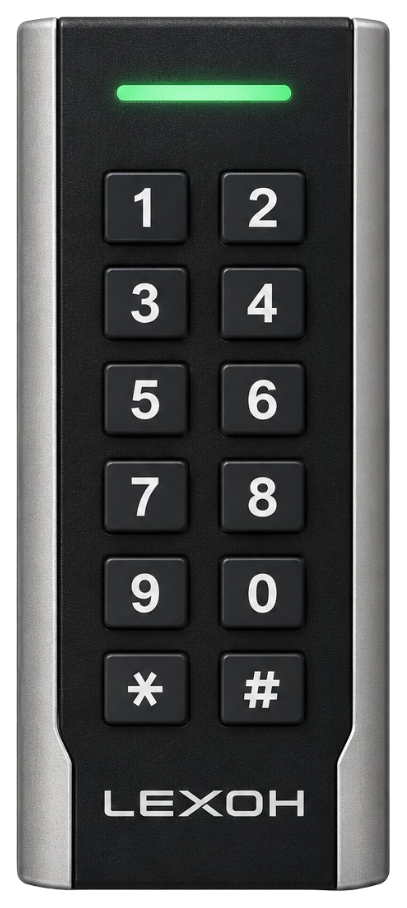
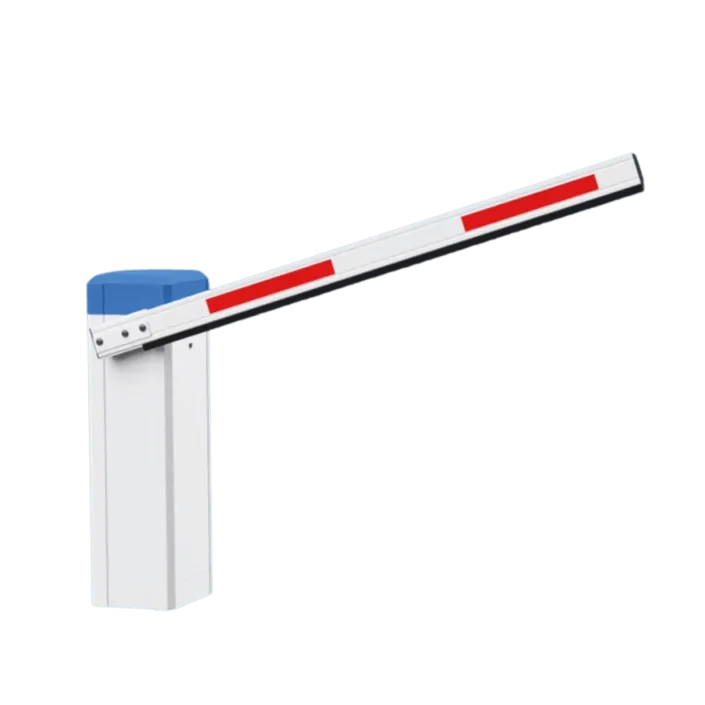
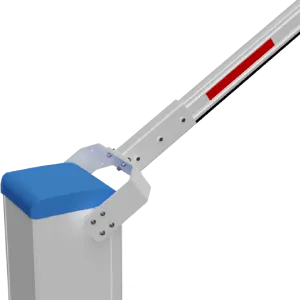
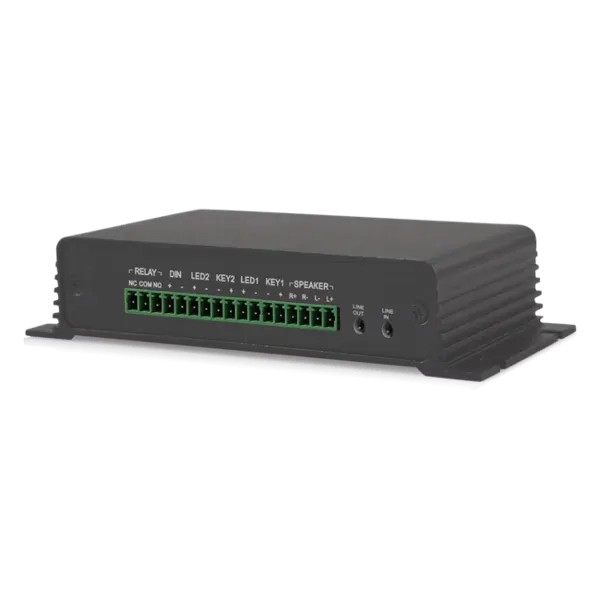
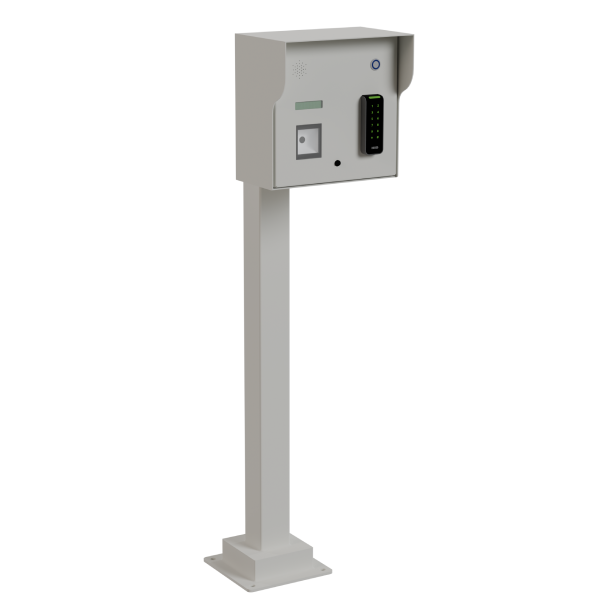
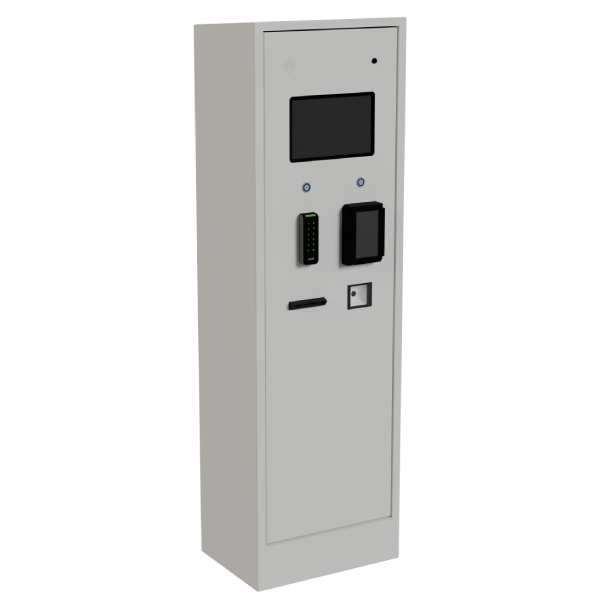
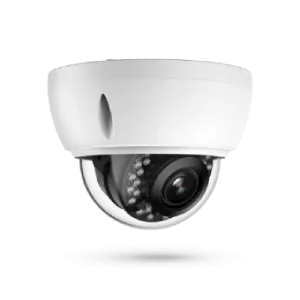
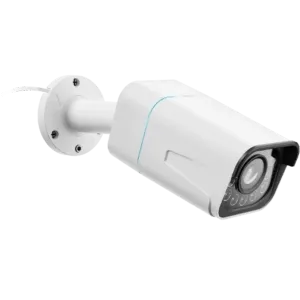
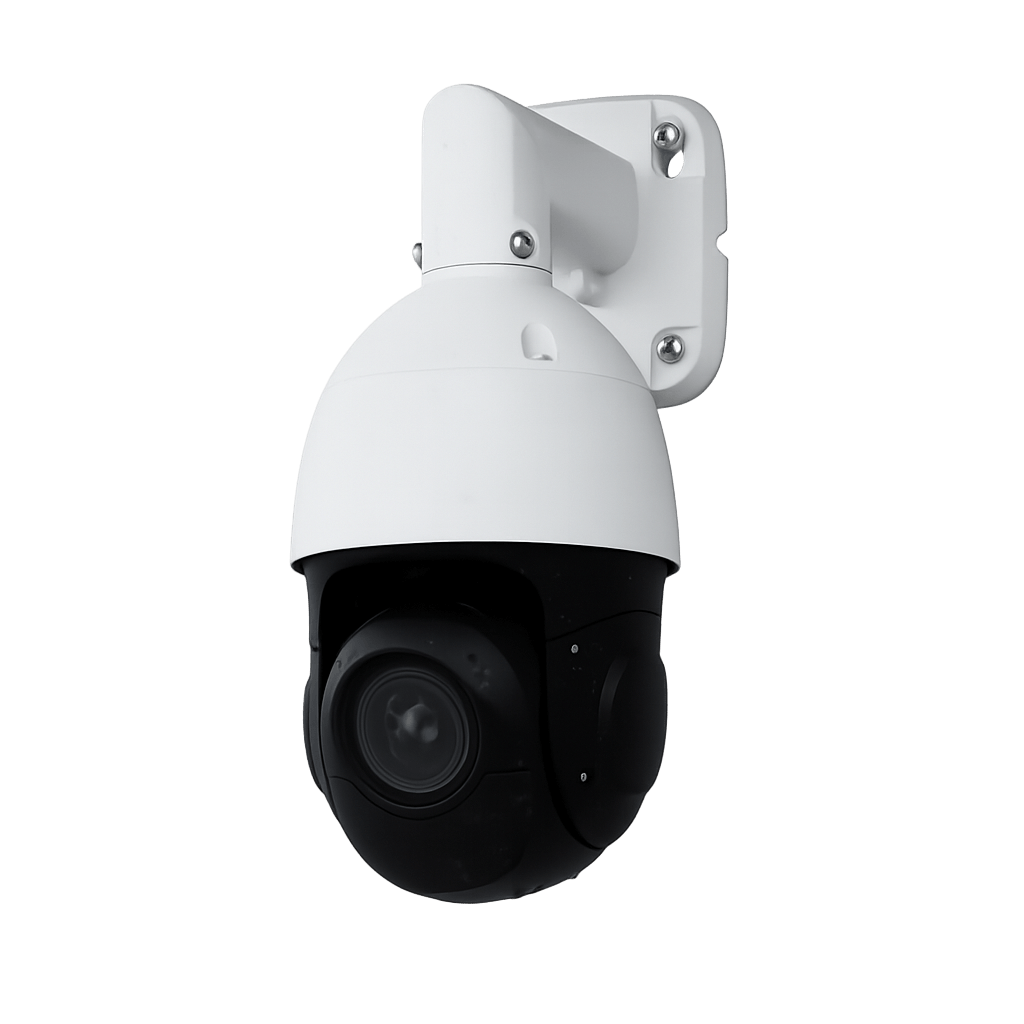
A type distribution groups records by the categories used in the report. Read the category labels, counts and denominator rather than relying on chart colours. Confirm whether entry and exit describe operating roles while barrier, reader, camera or kiosk describe hardware; these categories may not be directly comparable.
Device counts alone do not determine lane capacity or redundancy. One reader, camera or controller may serve a different function from another, and two devices may share the same power, network or controller dependency. Review the actual site design and peak operating workflow before deciding equipment is missing.
Avoid fixed equipment ratios based only on parking-space counts. Payment methods, arrival patterns, transaction duration, lane layout and the required fallback workflow determine the appropriate arrangement. A site without RFID readers may use other supported credentials; a site without individual space sensors may use entry and exit events for a zone count.
Check a suspected inventory gap
Compare the relevant category with the equipment register and device assignments. Establish whether an item is missing from the report, represented under another record or absent from the installation. Then review the operational need with the responsible installer.
Interpret last communication in context
A long communication gap does not identify the cause by itself. Planned shutdown, a network change, a stopped service and a hardware fault require different responses. Prioritize the actual operational impact and available fallback, not a universal inactive-device count or a blanket assumption of lost revenue.
- Identify the device using its record reference, descriptive name, location and exact model. Use the actual installed model in authorized service records.
- Read the last-communication timestamp and time zone. Establish the configured reporting interval, timeout and whether the page has refreshed. A fixed five-minute rule does not apply to every integration.
- Compare communication with device faults, sensor feedback and the observed lane or equipment function. Separate when an event occurred from when the server received it.
- If communication is stale, follow the approved investigation procedure for power, network, server reachability and application state. Retain the exact error and last successful communication time.
- Verify recovery through fresh feedback and the required operating test. A successful network diagnostic alone does not prove the application or lane works.
Check which values a time filter changes
Record the chosen period and time zone. Change one filter at a time and inspect which counts, charts and rows respond. A report can combine current inventory with period-based activity, so do not assume every element shows the same historical state.
A “recent devices” list may represent newly added records, recently seen equipment or another version-specific selection. Confirm its definition. Absence from the list does not prove that a device was removed or that it had no activity.
For historical review, establish the available retention and whether records from retired devices remain included. Compare equivalent sites, device scopes and observation windows. Do not derive past availability from the current active count or one last-seen timestamp.
If an export is available, check the exported period, fields and record count against the intended report. Keep the report definition and filters with the export so another operator can reproduce the interpretation.
Measure availability from an observed timeline
Define what “available” means for the service being measured: server communication, reader operation, barrier function or a complete lane workflow. Those measurements answer different questions. For time-based availability, record the scheduled observation window and the duration meeting that definition.
Use status or incident history that covers the window. Document planned-maintenance treatment, missing observations and the rules used to mark outage start and recovery. Unknown time should remain visible; silently counting it as healthy overstates availability. If the history is insufficient, report that limitation instead of producing a precise uptime figure.
Failure and recovery intervals
Keep detection time, response time and verified restoration time distinct. Choose consistent start and end definitions before averaging repair or recovery durations. Several alerts during one outage are not automatically several separate failures.
Alert routing
Where supported, configure the monitored condition, persistence threshold, recipients and recovery notification. Set priorities from the function affected and the site response plan. Test delivery and acknowledgement through an approved test; a configured recipient is not proof that a notification arrives.
Response targets
Use the actual operating plan and support agreement for escalation, coverage hours and response targets. Do not present arbitrary percentages or fixed dispatch times as Lexoh service commitments. Review the outcome of incidents against the applicable agreement.
Turn monitoring into a documented action
- Review the report at the frequency required by the site’s operating procedure. Start with the services whose loss has the greatest impact, including cases where equipment still reports connected.
- Reconcile unexpected counts with the equipment register, device assignments, maintenance state and filters. Record additions, replacements and retirement so comparisons remain meaningful.
- For a fault, assign a responsible person and retain the device, time, symptoms, evidence and fallback action. Verify the operating result before closing the incident.
- Schedule maintenance using the exact manufacturer’s instructions, equipment duty and site conditions. Avoid generic lubrication, adjustment or replacement schedules across different barrier models.
- Plan spares, backup power, network recovery and manual procedures around the site’s actual dependencies. Verify the approved fallback rather than assuming extra device count creates redundancy.
- After maintenance or configuration changes, test the affected workflow and confirm fresh report data. Retain the result and unresolved issues with the service record.