



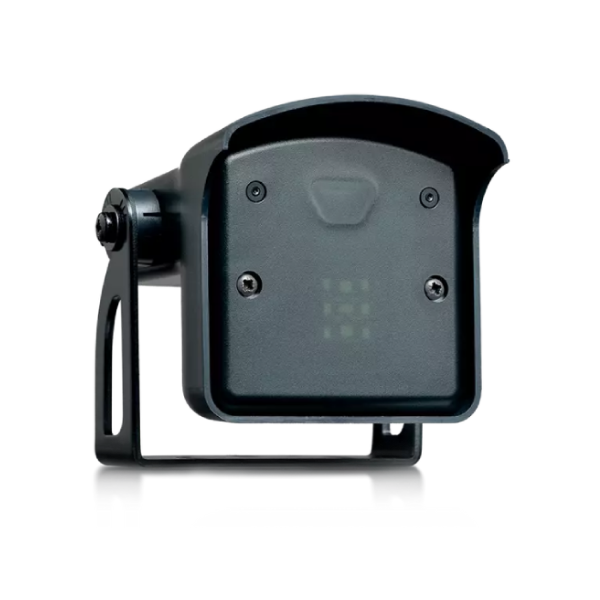
Parking violation detection
Parking violation detection: what automation can establish
Automated detection can identify parking records that do not match the configured rules. It does not turn every missing payment match into a proven violation or remove the need for an authorized review process.
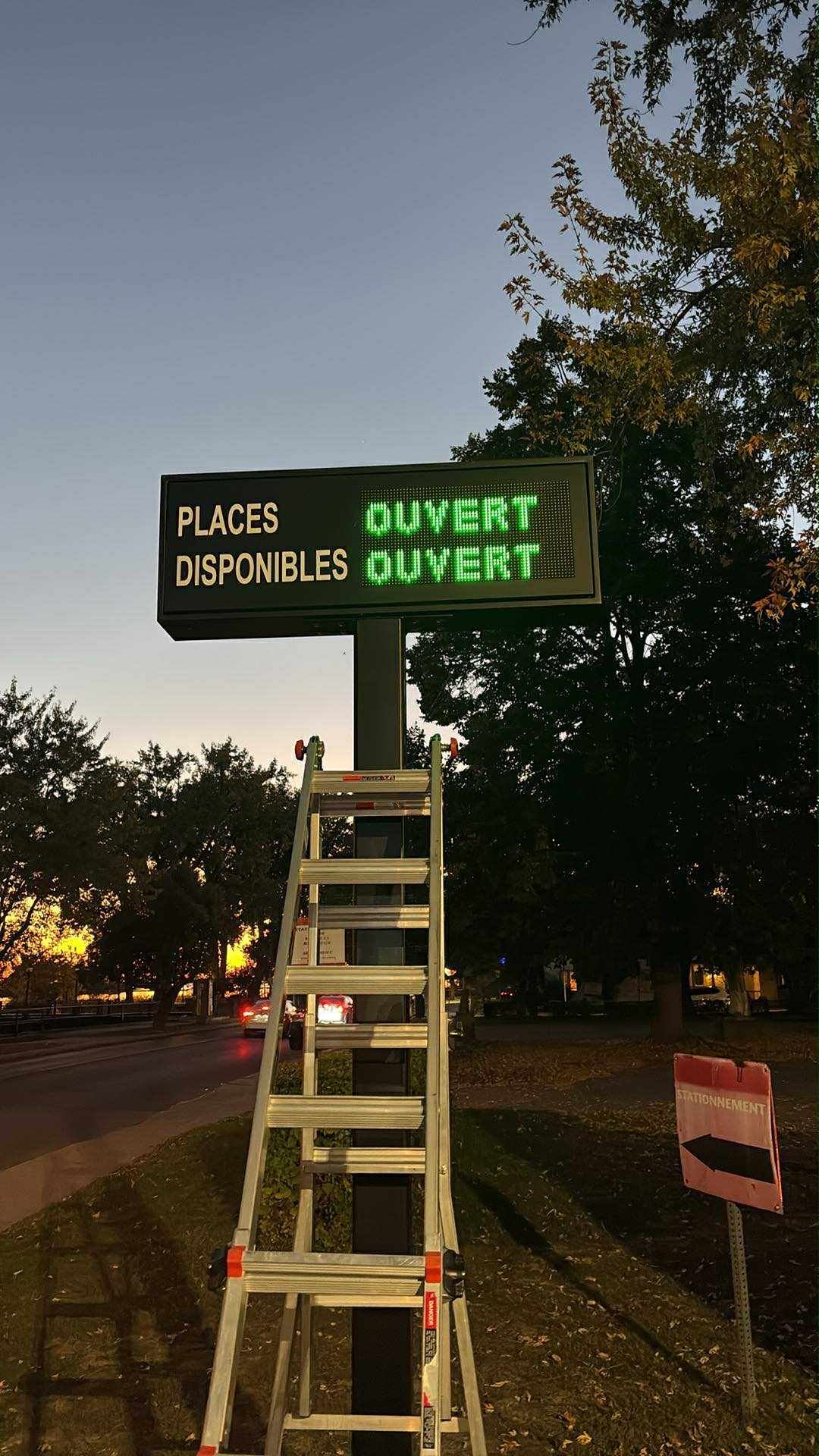 Enlarge photo
 The decision
Start with the evidence the site collects
Define whether the installation observes entry and exit, activity in a zone or another supported event. Identify the source of valid permits and paid sessions, and how records are associated with a plate or credential.
Lexoh’s violation-detection workflows support reviewing configured parking exceptions. The evidence available depends on coverage, integration and the rules implemented for the site.
Check the quality of the match
A plate transcription error, delayed payment update or missing exit can create an apparent discrepancy. Establish grace periods and how repeat visits are separated before interpreting the list.
Review a sample against the underlying images and transaction records. Do not join a morning entry to an evening exit without checking whether an intermediate departure was missed.
Keep human review accountable
The reviewer should see the applicable rule, relevant observations and matching payment or permit records. Define when to correct a record, dismiss an exception or escalate it.
Any warning, charge or enforcement action must follow the operator’s approved process and applicable authority. Detection software does not by itself establish the legal power to issue a notice, identify a registered owner or recover an amount.
On a narrow screen, scroll the table horizontally to see every column.
| Apparent exception | Records to check | Review outcome to document |
|---|---|---|
| No payment match | Plate entry, paid session, time and update status | Correct match, further check or unresolved case |
| Possible overstay | All observations and any intermediate departure | Separate visits or verified duration with stated limits |
| Permit not found | Approved vehicle, zone, validity and exemptions | Applicable right or reason for further review |
| Unreadable or missing observation | Image availability, equipment status and coverage | Coverage gap; do not count as a proven violation |
Measure the cases the system cannot assess
Unreadable plates, obstructed views and equipment outages are coverage gaps. Keep them separate from reviewed violations. Winter conditions can make those gaps operationally significant.
Track observation quality, review workload, dismissed exceptions and unresolved cases. Avoid presenting an automated detection rate as revenue recovered or as proof that all misuse was found.
Decide where patrols still matter
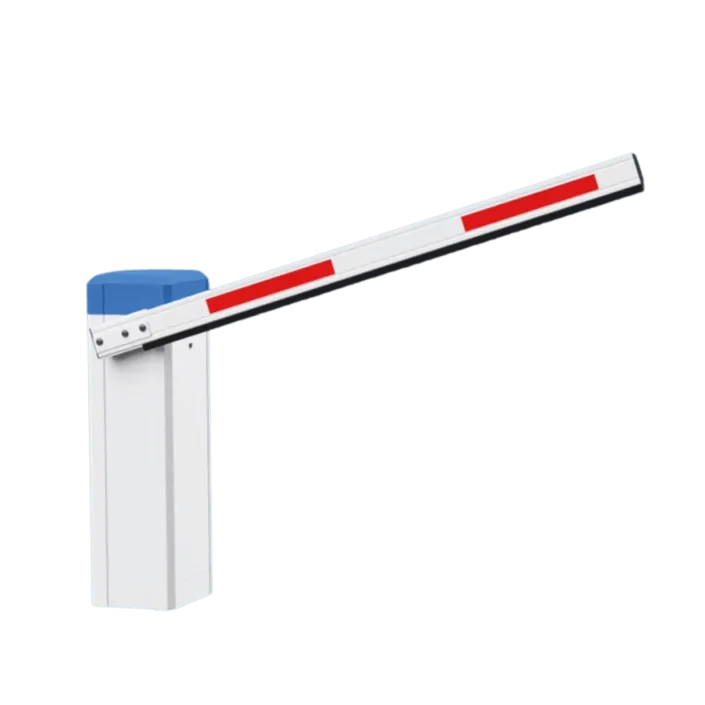
Entrance observations cannot establish every stall-level behaviour, such as use of a reserved bay, unless suitable evidence is collected there. Staff may still be needed for assistance, on-site checks and situations outside camera coverage.
Compare gated and ungated operation around the site’s objectives, queue tolerance and review resources. Automation can change the work, but the operator still needs a defined response to each type of exception.
Questions
Practical questions
What information is needed before a demonstration?
Bring the site rules, a sample of anonymized entry and exit records, the permit source and the payment workflow. Identify the responsible operator and required review outcomes. Confirm data access and update timing with each provider before assuming records can be matched.
Where should a driver ask about a parking notice?
Use the contact and review instructions on the notice or the parking operator’s official service. Keep the notice and relevant visit or payment records. A Lexoh sales enquiry does not submit a review request to the issuer or change its stated deadlines.
Can detection automatically issue a municipal ticket?
That cannot be assumed. Authority, evidence requirements and the approved enforcement process need their own review.
Does no payment match mean the driver did not pay?
Not necessarily. Check plate entry, timing, integration delays, exemptions and transaction records before reaching a conclusion.
References and further reading
- British Parking Association: ANPR
Technical example of repeated visits being incorrectly paired. UK procedures and enforcement authority are not applied to Québec.
- Parking exception review
Lexoh product or project reference.
- Gated vs gateless parking
Lexoh product or project reference.

Your project
Define the exception review
Lexoh can review observation coverage, rule matching and operator responsibilities for your parking site.
Discuss the project