
Building access
Building access control: which system to choose
For a condominium or an office building, the question is rarely which reader to buy. It is which system will let the manager give the right people the right doors, remove a lost credential in seconds, and see what happened at an entrance last night. This article works through that decision.
Short answer
Choose a cloud-managed system that covers doors, garage and visitors in one place, and keep what works.
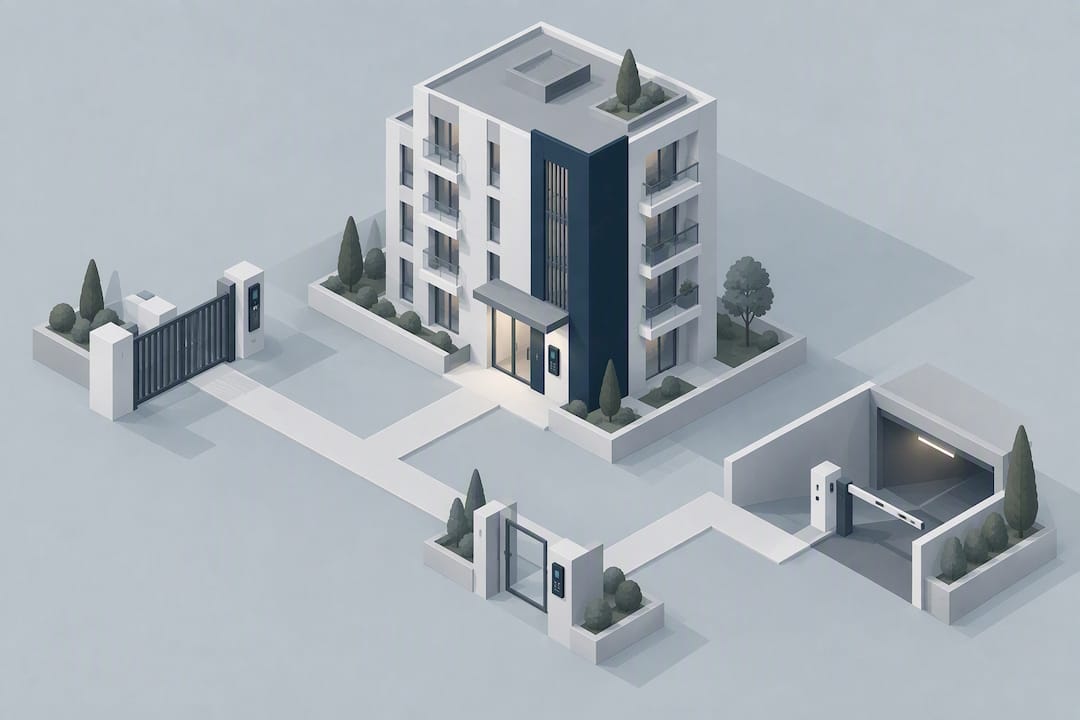
For most multi-unit and office buildings in Quebec, the right choice today is a cloud-managed access control platform where pedestrian doors, the garage barrier, visitor passes and the event log live in one administration console. It lets a manager revoke a lost fob from a phone, issue a mover a pass valid for one afternoon, and check the door and camera together after an incident. Where the building already has working readers or an intercom, the sensible path is to connect them rather than replace everything, which Lexoh does through its controllers.
What follows is the reasoning: how a system works, which credentials suit which door, what a modern system changes for a condominium board or a property manager, how to run the project, and what to ask about security. Prices are not quoted here; the access control cost guide lists the questions that produce comparable quotes.
How it works
Four parts, one decision at every door.
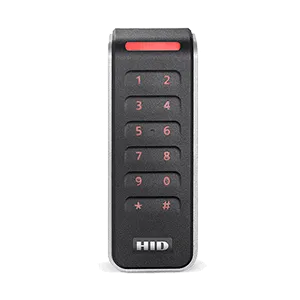
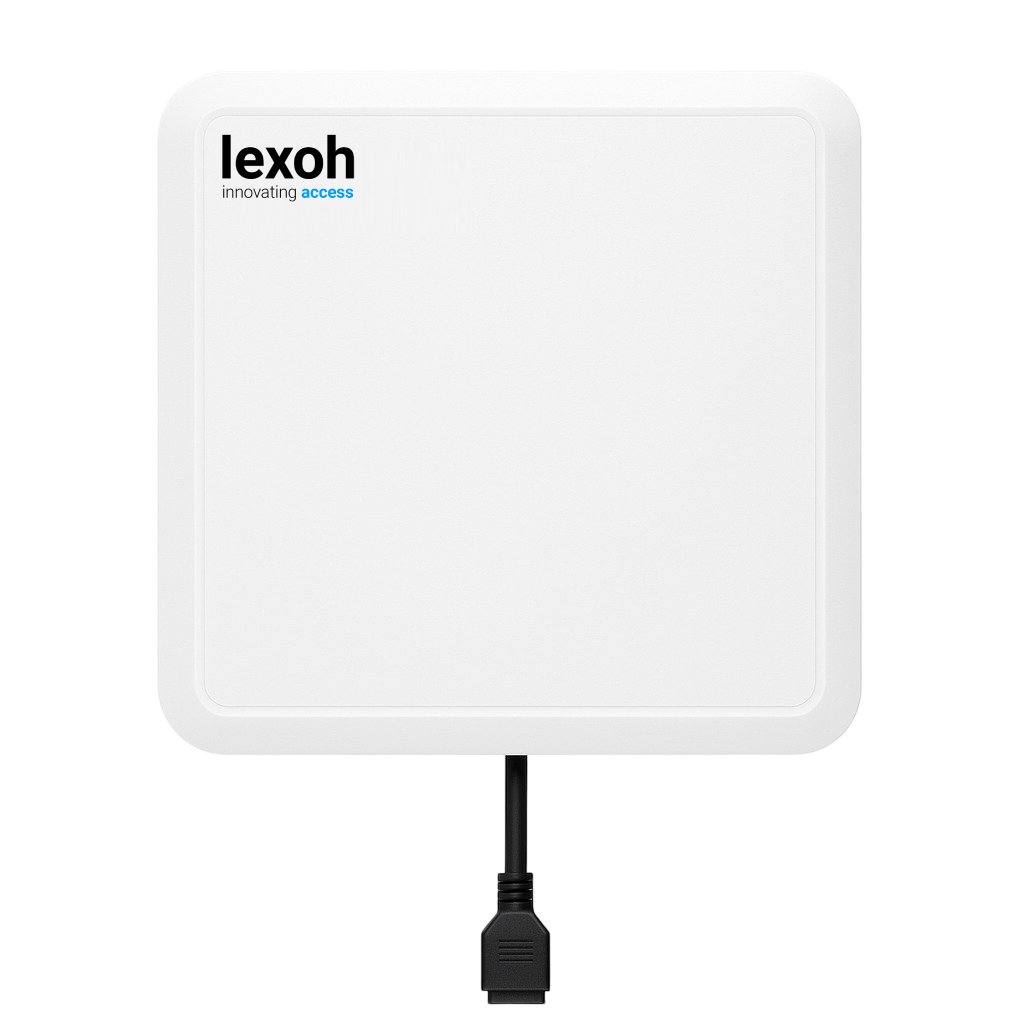
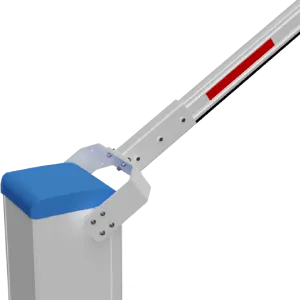
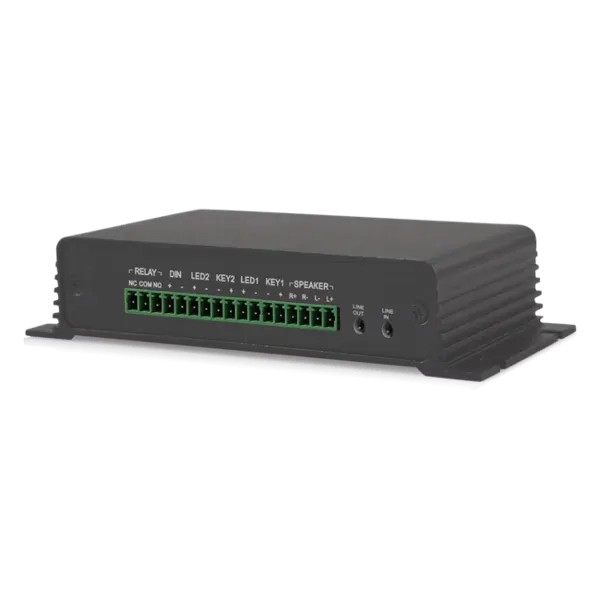
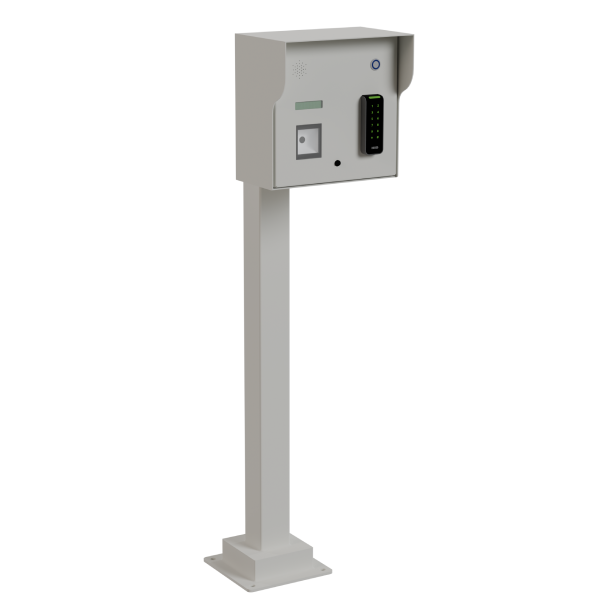
Every access control system, whatever the brand, is the same chain: a credential the person carries, a reader at the door or lane, a controller that decides, and a lock, strike or barrier that acts. Above the chain sits the software where rights are defined and events are recorded. The decision at each access point is always the same three steps: identify the credential, check the zone, schedule and status attached to it, then command the door and log the result.
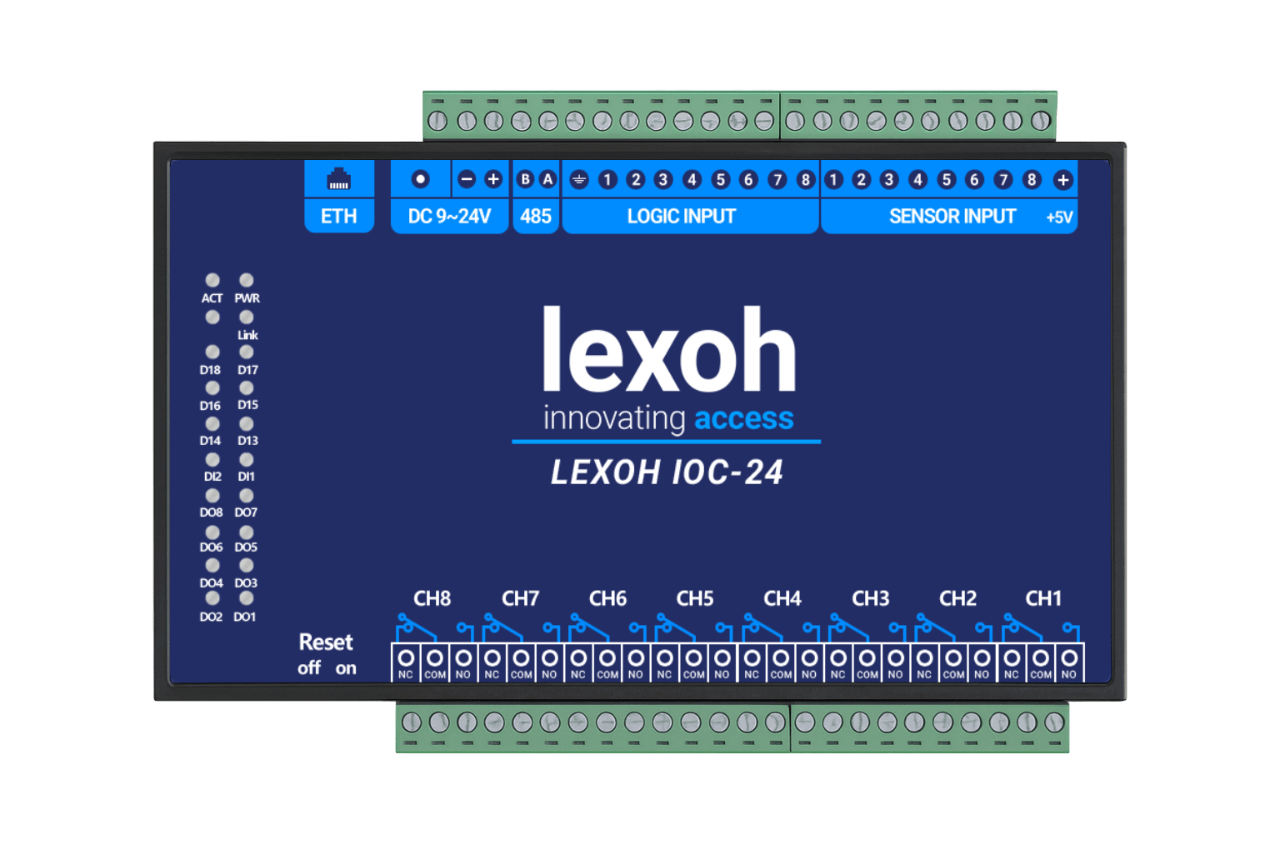
The part that matters for a building manager is where that decision lives. Lexoh controllers keep the credentials and rules locally, so a resident still gets in during an internet outage; the cloud platform is where the manager changes rights, watches events and connects video. That split, local decision and central management, is what lets a system be both dependable and easy to administer.
-
Credential
Card, fob, phone, QR code, or the licence plate for the garage.
-
Reader
At the door, the pedestrian gate, the elevator or the garage lane.
-
Controller
Decides locally, keeps working offline, reports to the platform.
-
Platform
Rights, schedules, visitors, events, video and alerts in one console.
Options
Which credential for which door.
A building is not one door. The main entrance sees hundreds of passages a day, the mechanical room sees two a month, and the garage lane sees vehicles, not people. Each has a natural credential.
| Access point | Best fit | Also works | Why |
|---|---|---|---|
| Main entrance | Card or fob (HID Prox, Mifare, DESFire) or NFC phone | QR code for visitors | High traffic, everyone already carries a credential, must work with gloves in winter. |
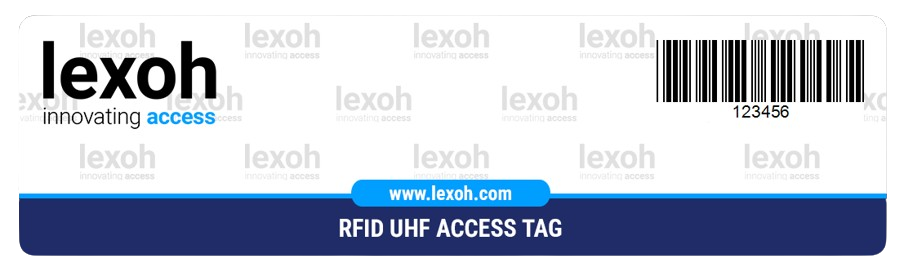
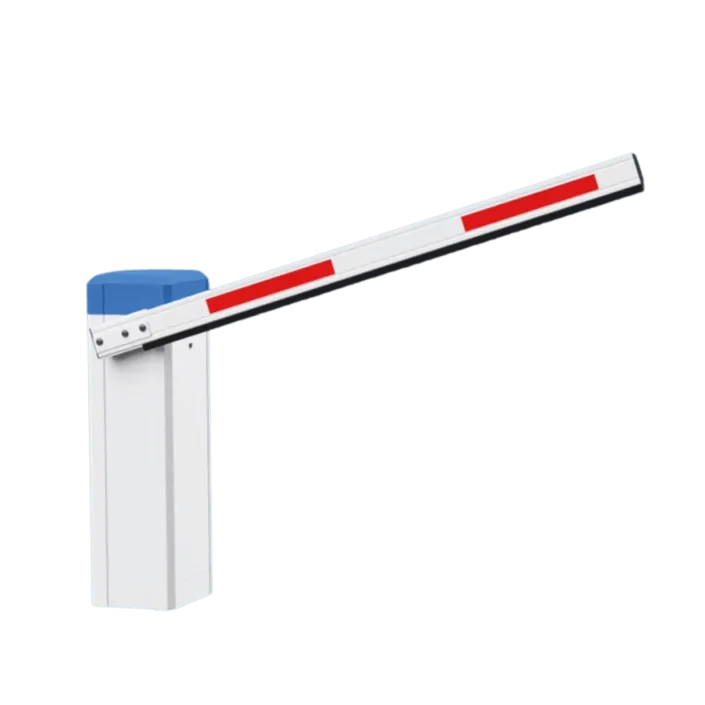
| Garage lane | Licence plate in season, UHF windshield tag year-round | Card at a lane reader | Nothing to hand out; the tag is unaffected by salt and snow on plates. |
| Amenities (gym, pool, terrace) | Same card or fob as the entrance | Phone | One credential per resident; schedule rules close the amenity when needed. |
| Mechanical and technical rooms | Card with a restricted role | Time-limited code for a contractor | Few users, must be auditable, no general access. |
| Visitors, deliveries, movers | QR code or temporary code with a start and end | Intercom call to the resident or the operator | Expires on its own, nothing to collect, created by the resident or the manager. |
| Elevators | Same credential as the entrance, floor rules | Restricts floors to residents or tenants without a separate system. |
Architecture
Cloud or on-site server.
An on-site server lives in the building’s technical room. Someone has to update it, back it up, and be in the building to change a right. A cloud platform is reached from a browser or a phone, updates itself, and manages several buildings from one login, which is why boards and property managers with more than one building end up there. On-site still makes sense in one case: a single building with a strict network policy and an IT team on the premises.
The concern people raise about cloud is the internet connection. It is a fair question with a clear answer: the decision to open a door is taken by the controller at the door, from the credentials it holds locally, so an outage stops remote administration and alerts, not access. The cloud vs on-premise guide goes through the full comparison.
-
Choose cloud when
Several buildings, remote managers, frequent right changes, video and parking to connect.
-
Choose on-site when
A single building with an IT team and a policy that keeps everything inside.
-
Either way
Controllers must decide locally and store credentials so an outage does not lock anyone out.
For the board and the manager
What a modern system actually changes.
The immediate change is the end of the key cabinet. A lost mechanical key that opens several common doors can force a cylinder change; a lost fob is deactivated in seconds from the console and the event log shows whether it was used since. The second change is visitors: a resident or the manager creates a pass limited to a period and to the zones it needs, and it expires on its own. The third is evidence: every passage is an event, and where cameras are connected, the manager sees the door event and the video together instead of reconstructing an incident from memory.
On Lexoh projects the same platform also runs the garage lane and, where the building has one, the visitor parking, so the resident’s plate, the contractor’s code and the pedestrian doors are administered in one place rather than three.
-
Lost credential
Deactivated centrally; no cylinder changes, no rekeying.
-
Move-in and move-out
One record activated or closed by authorised staff, with its rights.
-
Deliveries and trades
Time- and zone-bounded access, then automatic expiry.
-
Alerts
Door forced, door held open and repeated failed attempts reach the right person in real time.
Running the project
Map the doors before you compare quotes.
The most useful thing a board can do before calling suppliers is to list every access point, who uses it, how often, and what happens today when someone is locked out. That list usually shows that only a few doors need the full treatment and that some existing readers or the intercom can be kept. It also turns supplier proposals into comparable documents.
-
1. Inventory
Every door, gate, lane and elevator; existing readers, locks and cabling; the intercom; the internet connection.
-
2. Rights model
Residents, tenants, staff, contractors, visitors; which zones and which hours for each.
-
3. Reuse or replace
Standard readers and barrier operators can usually be connected to Lexoh controllers; the survey confirms condition and documentation.
-
4. Pilot
One entrance or one building first, with the concierge or manager trained on the console.
-
5. Roll out
Remaining doors, then the garage lane, then visitor flows. Keep the old system in parallel until the last door is switched.
Security of the system itself
A connected reader is also a network device.
A system reachable from the internet must be protected like any other business system. The practical checklist is short: administrator accounts with strong authentication and individual logins, a building network that keeps access equipment separate from the residents’ Wi-Fi, encrypted communication between devices and the platform, and firmware and software kept up to date. Ask the supplier how long events are retained and in what format they can be exported; a log that disappears after a few weeks is useless for an insurance claim months later.
-
Accounts
Individual administrator logins, roles with the minimum rights, strong authentication.
-
Network
Access equipment on its own segment, not on the residents’ Wi-Fi.
-
Records
Retention period and export format agreed in writing.
Project checklist
Before you ask for quotes
Answer these once; every supplier then quotes the same project.
-
Which access points, and who uses each one how often?
Main entrance, side doors, garage lane, amenities, technical rooms, elevators.
-
What exists today and what condition is it in?
Readers, locks, intercom, cabling, barrier operator, internet connection.
-
How are visitors, deliveries and movers handled today?
This defines the temporary-credential flow you need.
-
Who administers the system, from where?
Concierge on site, manager off site, board members: this decides cloud or on-site and the roles.
-
What must be kept for insurance or disputes, for how long?
Event retention and export, and whether video must be tied to door events.
Practical questions
Questions boards and managers ask
What is building access control?
The equipment and software that decide who can pass a door, a gate, an elevator or a garage lane, and when. A credential is read, its rights are checked, the door is commanded and the event is recorded.
Which credentials can residents use?
Depending on the readers chosen for the project: HID Prox, Mifare and DESFire cards or fobs, NFC phones, QR codes for visitors, and licence plates or UHF tags for the garage. Most buildings settle on one credential for people and one for vehicles.
What happens during an internet outage?
Doors keep working. Lexoh controllers store credentials and rules locally and process access decisions on their own; events are synchronised when the connection returns. Remote administration and alerts wait for the connection.
Can visitor access be temporary?
Yes. A visitor, delivery or contractor pass carries a start, an end and the zones it opens, and expires on its own. It can be created by an authorised resident or by the manager.
Can we keep our existing readers or intercom?
Often. Standard readers and barrier operators connect to Lexoh controllers, and the site survey confirms what can stay. Replacing everything at once is rarely necessary.
How much does building access control cost?
It depends on the number of doors and lanes, the credentials, the cabling already in place and whether video or parking is included, so a generic figure would mislead. The access control cost guide lists the questions that make quotes comparable, and Lexoh prepares a proposal after a site review.
Can the system connect to our property management software?
Integrations are assessed case by case against the software’s documented interface and the data that needs to flow. Lexoh exposes a REST API and webhooks for that purpose.
How long does a deployment take?
Cabling and door hardware set the pace. A pilot entrance is typically commissioned in days once prepared; a full building is phased so residents are never without access.
References and further reading
- Lexoh access control
Credentials, offline operation, alerts and integrations.
- Lexoh condominium access control
Resident and visitor flows.
- Lexoh cloud vs on-premise guide
Architecture comparison.
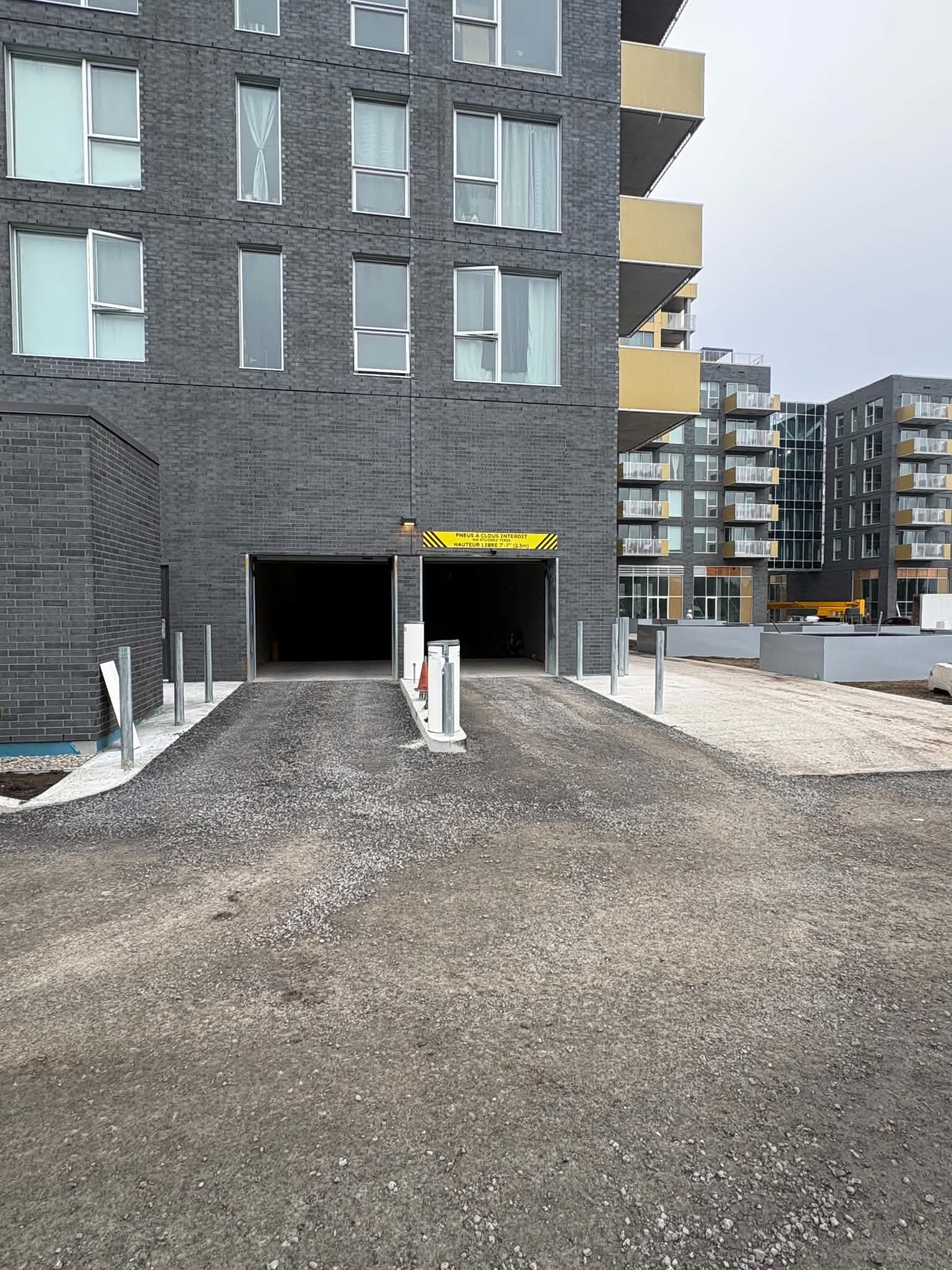
Site review
Bring your list of doors.
Lexoh reviews the access points, the existing equipment and the way the building is managed before proposing a configuration.
Discuss your building