

Access fobs
Door fobs: how they work and what to do when one is lost
A lost fob is manageable when the building can identify the credential, revoke it and issue a replacement. The quality of the credential register matters as much as the reader at the door.

The decision
A fob is part of an access system
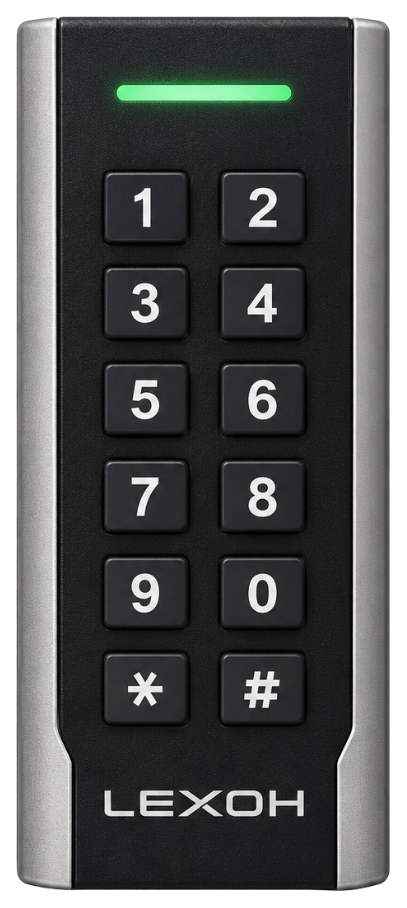
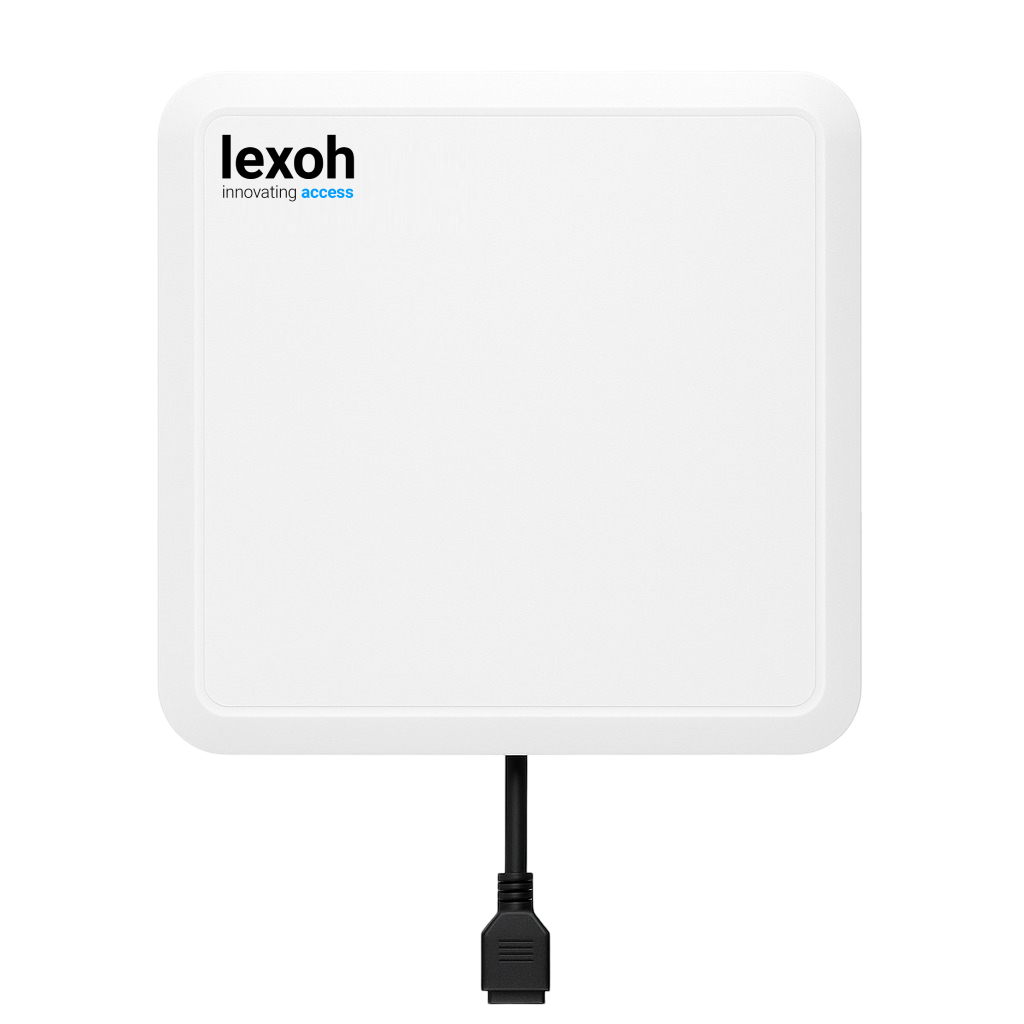
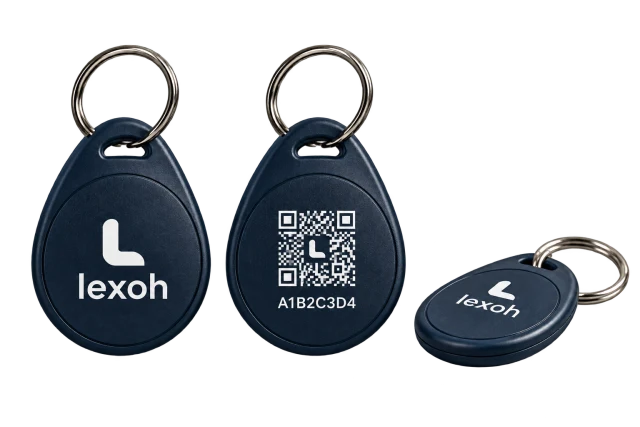
A door fob is a small credential used to request access at a compatible reader. Many fobs use radio-frequency identification (RFID). The reader communicates with a compatible fob. The access system then checks the associated permissions before commanding the lock or door operator. Depending on the technology, that exchange can involve more than a simple identifier; fobs are not all equivalent in security or compatibility.
Lexoh supplies RFID readers and access-control software for building projects. Reader selection and credential administration are reviewed together; the exact credential technology must be confirmed before ordering replacements.
Record who holds each credential
Keep each issued fob linked to the correct person or unit, with its permitted entrances and status. Record spares separately and activate them only when issued. A box of unassigned active credentials makes a later loss difficult to resolve.
For shared units, record individual credentials rather than relying on one unit-level note. The manager should be able to deactivate one lost fob without removing access from everyone in the household.
Handle a loss in a clear sequence
If you have lost your fob, report it to the building manager or designated access administrator promptly. Give the building, unit and entrances concerned, and arrange any temporary access through that person.
Verify the caller through the building’s established procedure, locate the credential and deactivate it. Review available events if there is a reason to suspect misuse. An event identifies the credential used; it does not prove who was holding it.
Issue a replacement with the intended permissions and test it at the relevant entrances. Check that revocation has reached the affected controllers, especially if one is offline. Returning the plastic fob later does not automatically reactivate it.
Buy replacements by compatibility
Ask for the supported credential technology and encoding, not just the shape or frequency. A reader that accepts one 13.56 MHz credential does not necessarily accept every other credential at that frequency.
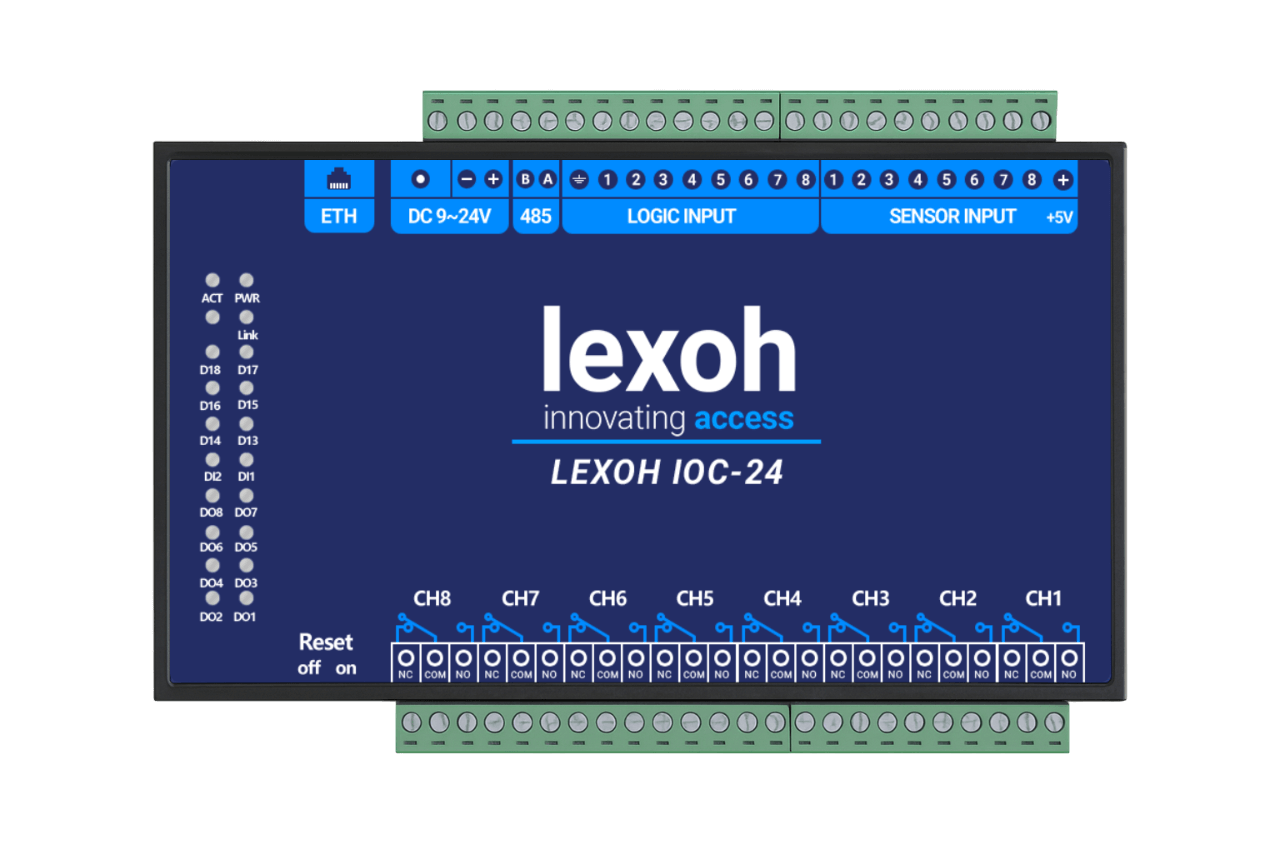
Security also depends on how the reader and controller use the credential. Request a supported combination and a sample test before ordering a batch. Avoid claims that a credential is impossible to copy unless the specific technology and configuration support that statement.
Keep the register current
Review access when people move out, change roles or finish a contract. Include garage access and shared rooms in that review. Set an inventory review schedule that matches turnover and assign someone to resolve unidentified active credentials.
Lexoh’s access-control workflow supports credential administration through authorized staff. Confirm the chosen readers, permissions and outage behaviour for the building before promising immediate revocation at every entrance.
Questions
Lost-fob and replacement questions
Do all fobs work with all readers?
No. Confirm technology, encoding and system configuration with a sample before ordering.
Does ordering a replacement deactivate the lost fob?
Do not assume it does. Ask the authorized administrator to identify and revoke the old credential, issue the replacement and confirm the change at each affected controller. An offline controller may not have received the update yet.
What should the manager record after handling a loss?
Keep the affected credential reference, report time, person who approved the change, replacement reference and entrances checked. Record any controller still awaiting the update and assign a follow-up. Keep this administrative record accessible only to the people who need it.
Should a recovered fob be used again?
Only after an authorized administrator reviews and deliberately restores its status. Do not assume finding it reverses the revocation.
References and further reading
- RFID access card reader
Lexoh product or project reference.
- Building access control
Lexoh product or project reference.
Your project
Review the credential register
Lexoh can review reader compatibility and credential administration as part of an access-control project.
Discuss the project