
Commercial access
Office access control.
Manage employee, tenant, visitor and contractor access with Lexoh. Connect building entrances and parking access to the permissions, schedules and events in Security Center.

Building access management
How does office access control separate tenant and visitor access?
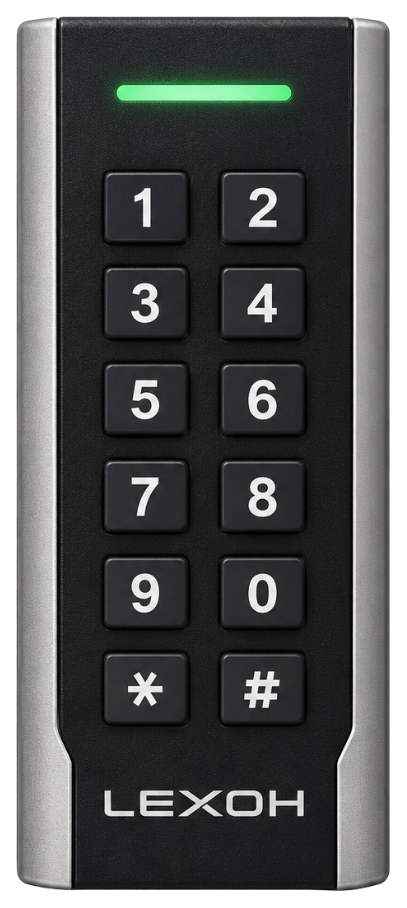
Office access control assigns permissions to employees, tenants, visitors and contractors for the entrances, zones and schedules they need. In a shared building, define which areas belong to each tenant, which remain common and who may approve or revoke a credential. Lexoh applies the configured permissions through the compatible connected entrances.
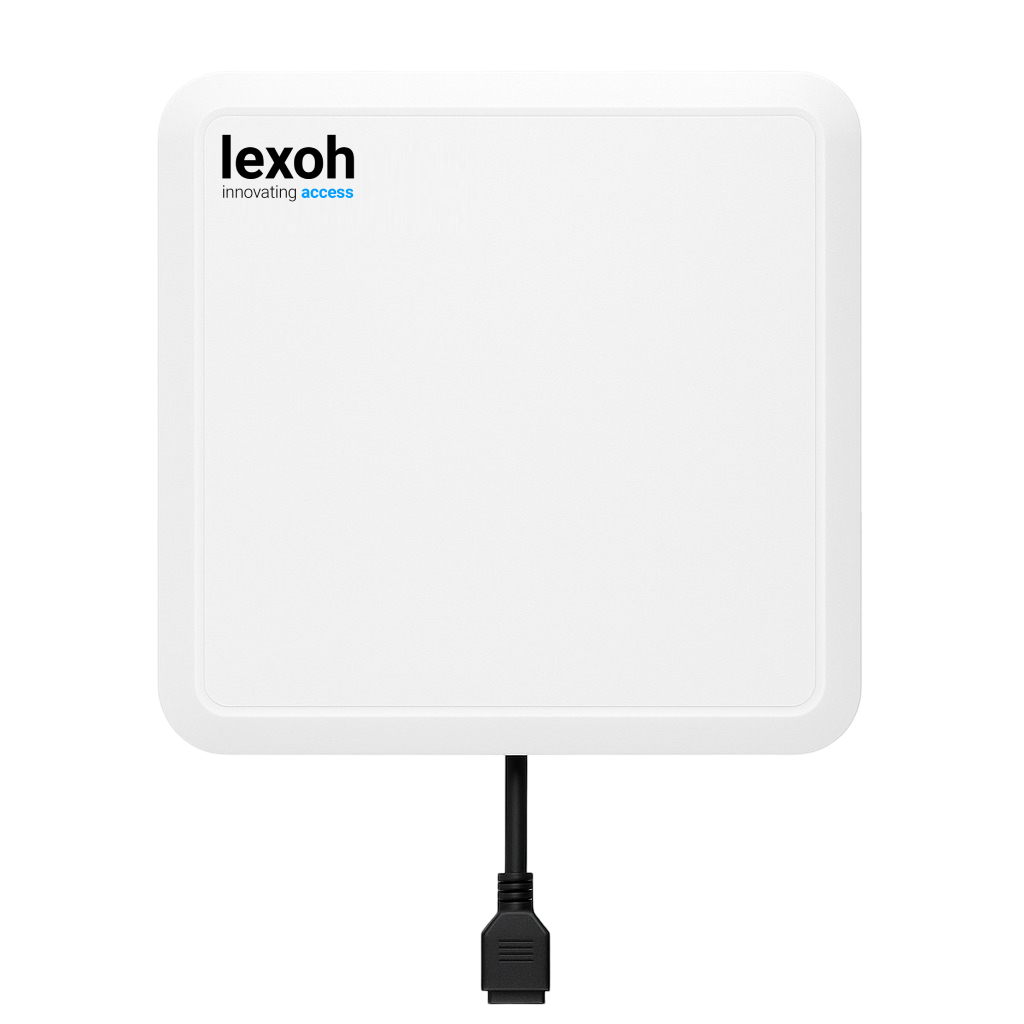
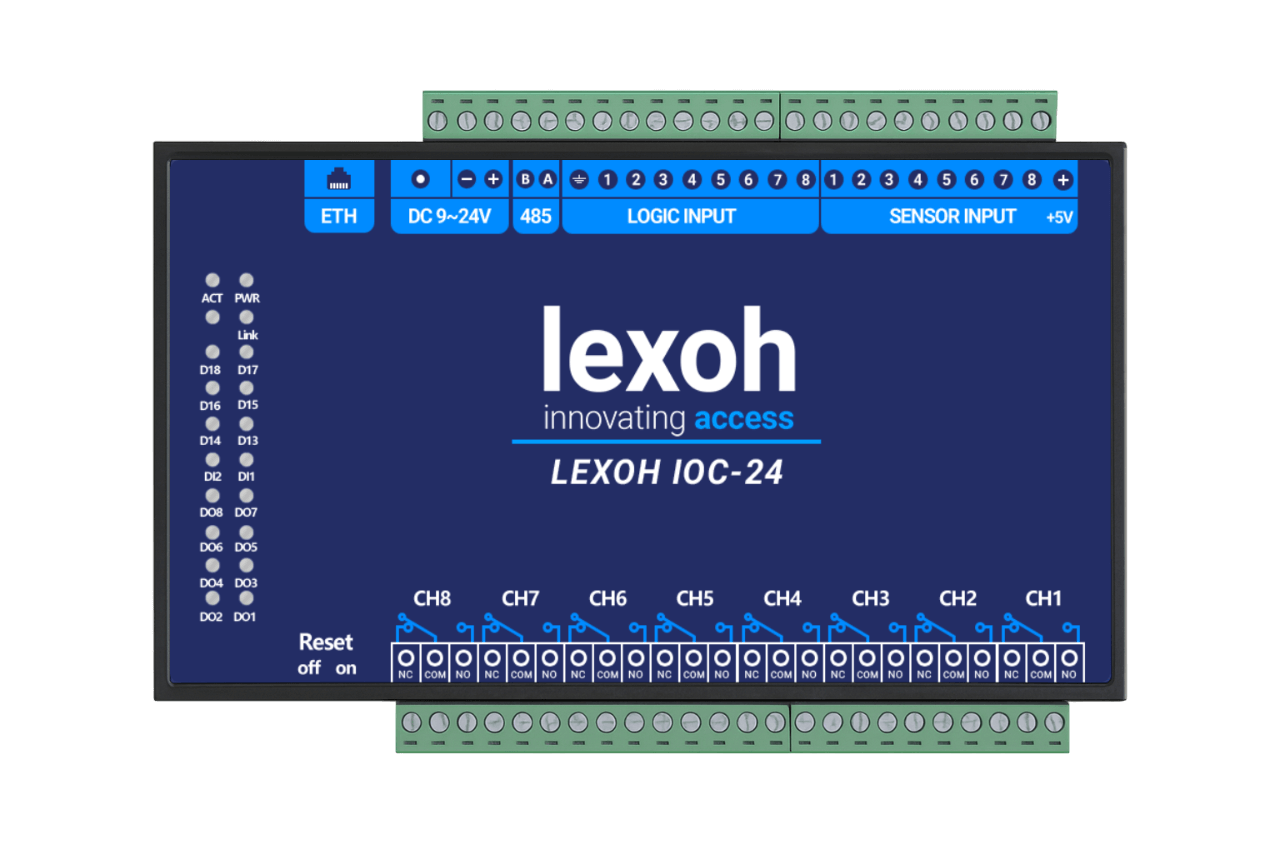
Lexoh’s hybrid architecture combines cloud management with an offline mesh network that lets site devices communicate without internet. Security Center brings together access permissions and operational events for authorized teams.
Emergency procedures, external integrations and credential technologies are defined and validated for each project.
Questions about scope and access-control costs
Operational journey
From presented credential to reviewable event.
-
Identify
A person presents a credential at a configured access point.
-
Evaluate
The system checks the relevant zone, schedule and permission rules.
-
Control
The connected door, reader or parking lane responds to the decision.
-
Review
Authorized operators can consult the event and its site context.
 View full-size software image
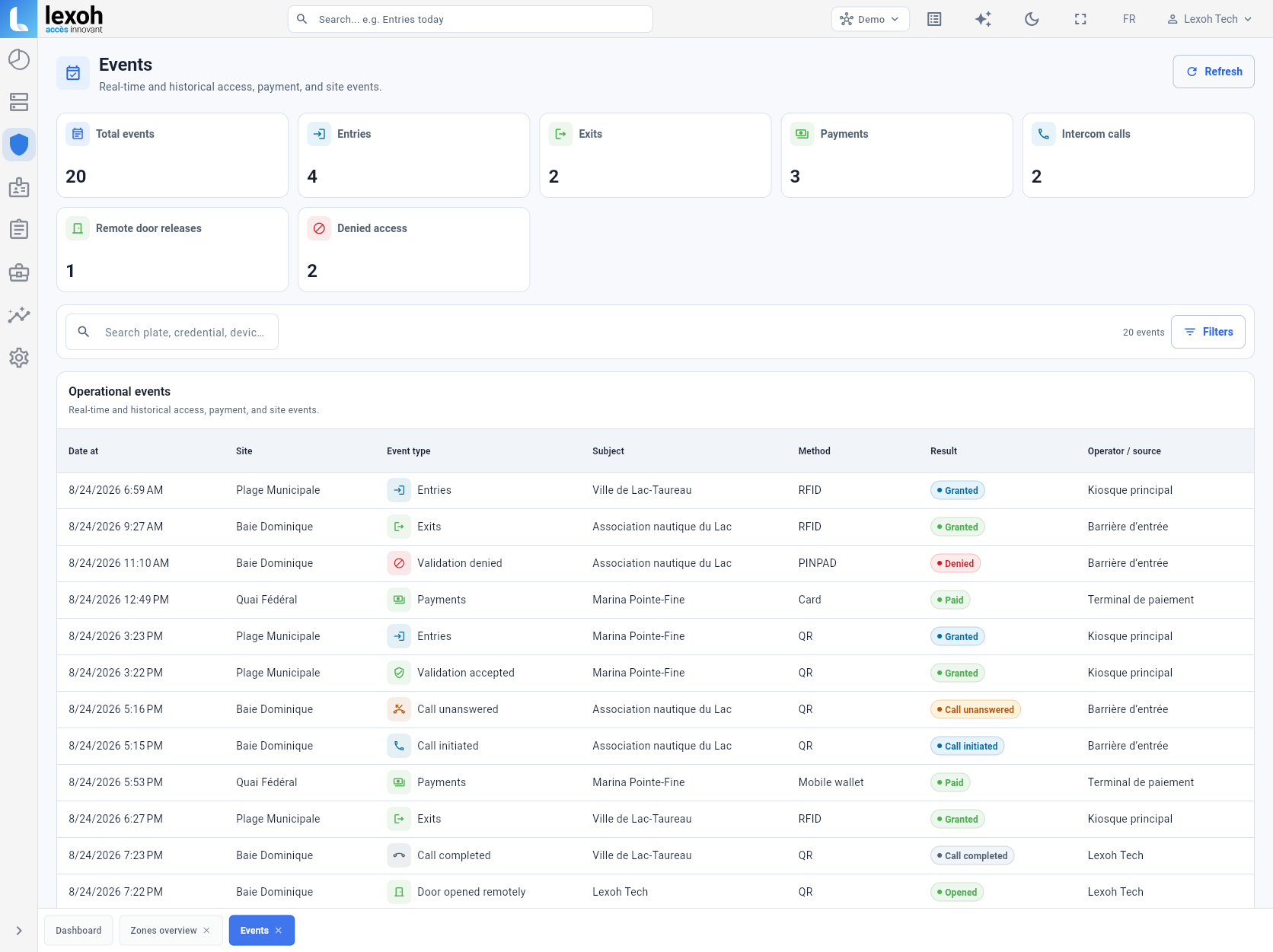
Operational record
Review access decisions alongside the site and device.
Security Center keeps entries, exits, access outcomes and authorized remote actions in one operational event view.
- Search access events by available fields
- Distinguish granted and denied outcomes
- Review the site and device involved
- Review recorded operator actions
 View full-size software image
Visitors and contractors
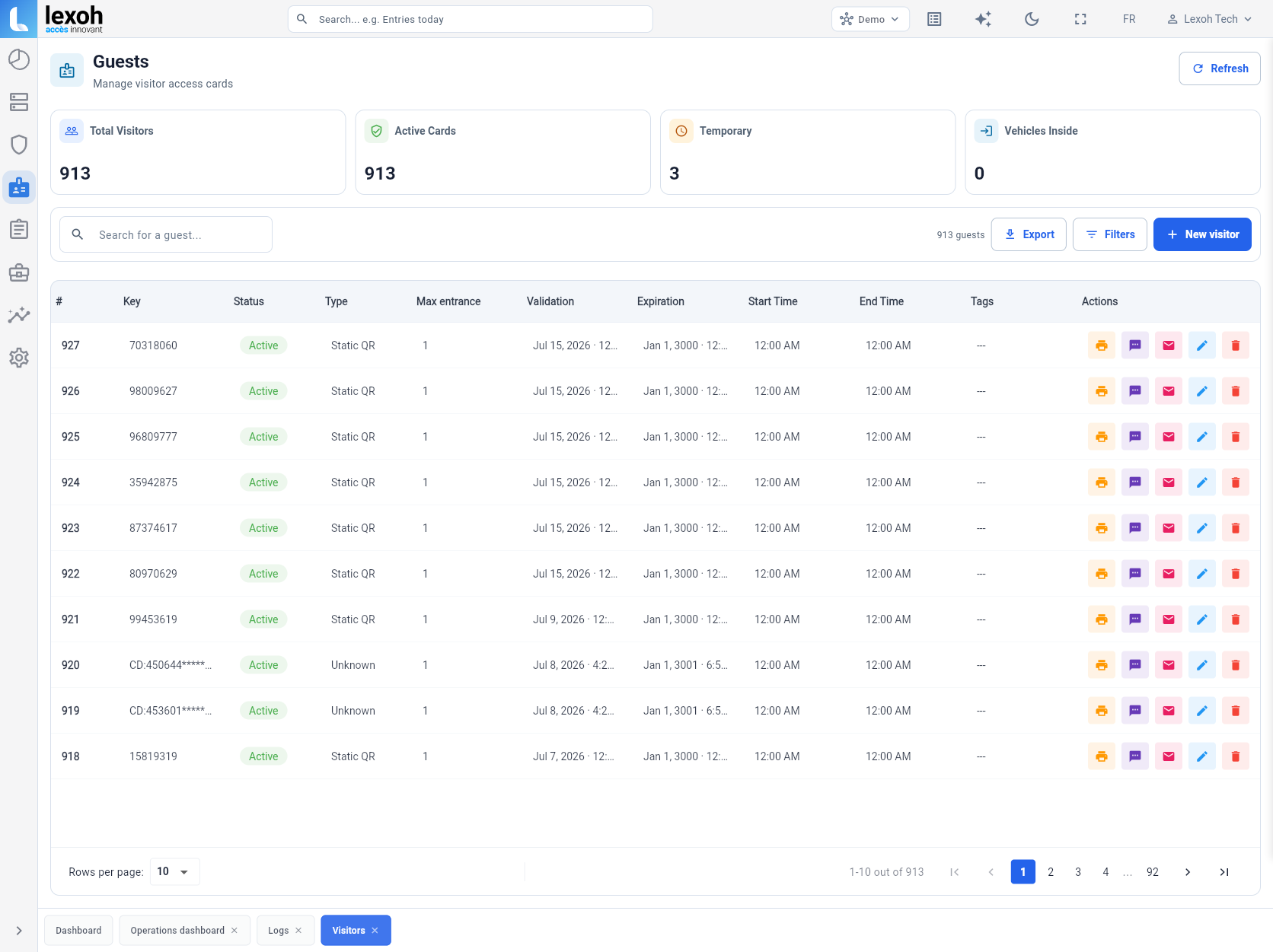
Set visitor access by zone and time.
Visitor and contractor credentials can be shaped around the intended zone and period, then revised by authorized staff as the visit changes.
- Create a visitor credential record
- Set the permitted access window
- Limit access to the required zones
- Deactivate access when it is no longer needed
Separate permission from administration
Who manages shared entrances and tenant access?
For an office with a shared lobby and tenant-controlled rooms, access management involves both the building owner and the tenants. This planning example separates decisions about common entrances from requests for tenant areas. The administration model determines who can change permissions and view records.
- The building owner identifies who approves common-entrance permissions and who can change the connected equipment.
- Each tenant submits its approved people, zones and schedules through the agreed administration process.
- The project reviewer tests intended operator roles, including a request outside the tenant’s scope, before delegated administration is accepted.
- When a contractor or tenant changes, the responsible operator reviews the old credential set and tests the approved new and revoked access.
Commercial contexts
Permissions shaped around real work.
The access architecture should mirror the site’s physical boundaries, tenant responsibilities and documented operating procedures.
-
Lobby and tenants
Credentials and visitor access across shared and tenant areas.
-
Controlled rooms
Restricted permissions for operational or technical spaces.
-
Parking
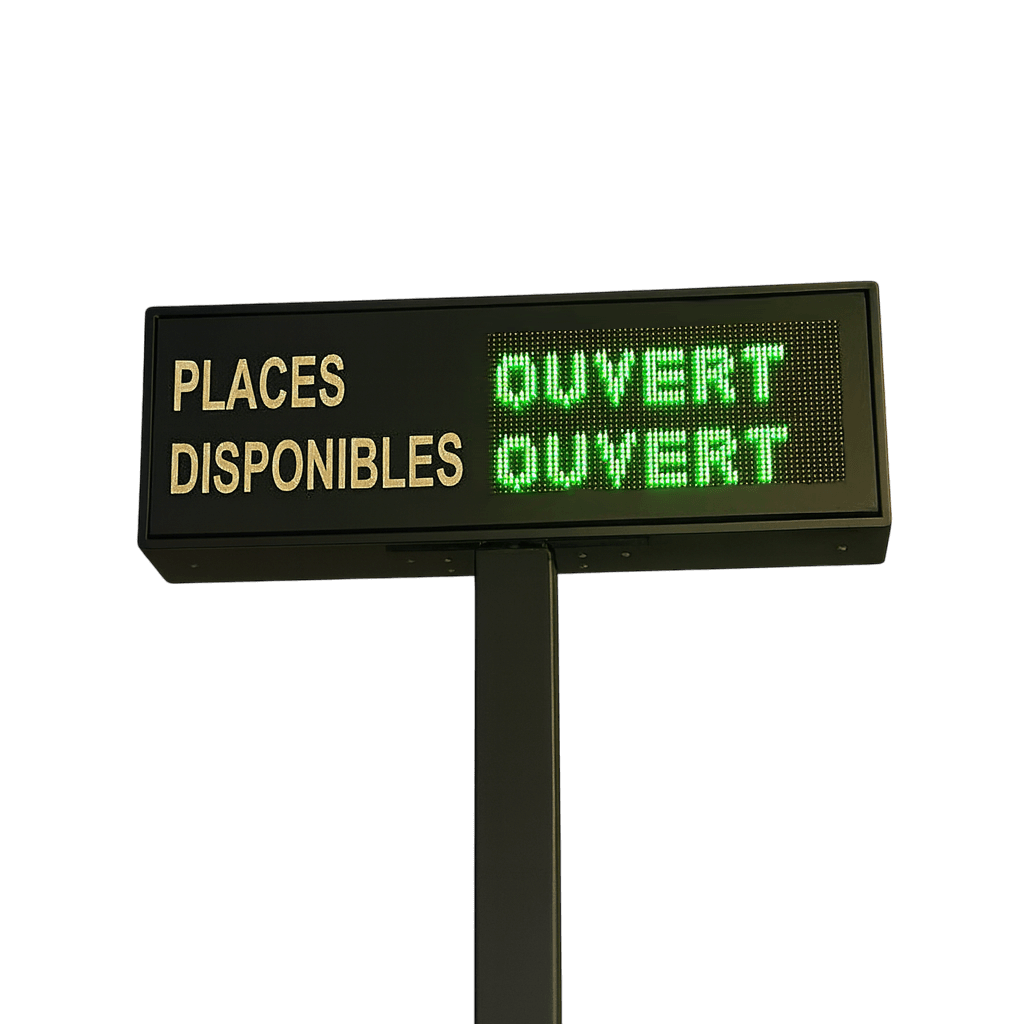
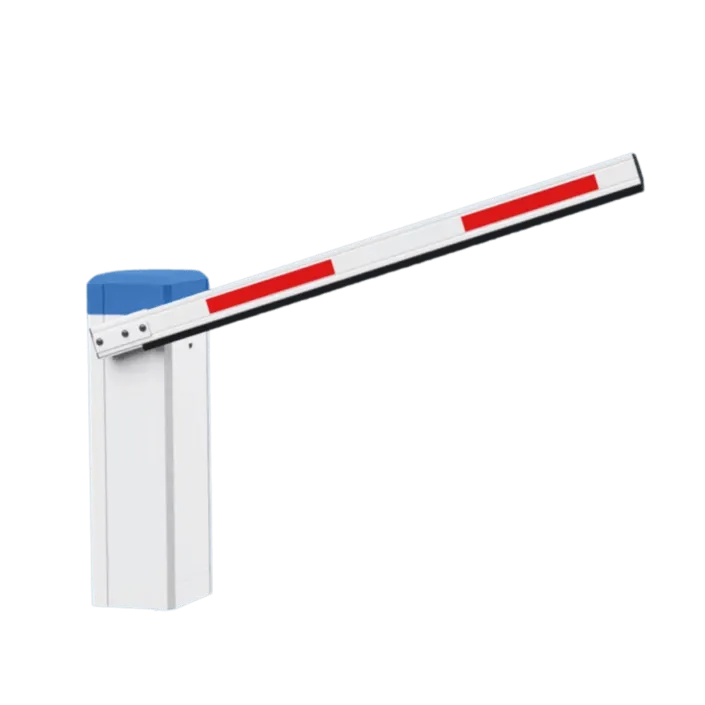
Connected arrival and parking access where configured.
-
Service teams
Time- and zone-bounded access for contractors and suppliers.
FAQ
Office access control: your questions
Can the system support multiple tenants?
Yes. Zones, schedules and administration responsibilities can be structured around the approved operating model for the building.
Can employee records be synchronized from another system?
Synchronization requires a compatible interface with the employee management system. The project review establishes which records are exchanged, how updates and departures are handled, and who can access the data.
How are emergency procedures handled?
Emergency actions depend on the life-safety design, connected hardware, permissions and documented procedures approved for the site. They are configured and validated as part of the project.
Does Lexoh provide an audit record?
Security Center can retain configured access and operator events for authorized review. Retention, access rights and reporting are defined according to the organization’s policy and project scope.
How should after-hours access work for an office cleaning crew?
Define the service entrance, rooms, days and hours the crew needs before issuing credentials. Apply those limits through the supported zones and schedules, keeping unrelated tenant or restricted areas outside the approved scope. Identify a supervisor for changes and review the permissions when the cleaning contract, crew or working hours change.
What access changes are needed when an employee changes departments?
Review both the new role and the permissions attached to the previous one. Have the responsible manager approve the required zones, schedules and shared spaces, then let an authorized operator make the changes. Test the relevant allowed and restricted entrances after the handoff so the employee does not retain unnecessary access from the former role.
Who manages a shared entrance when tenants use different access systems?
Name the owner of the common entrance and the authority that approves its permissions. Then document how each tenant’s approved request reaches that authority. Different systems do not automatically exchange credentials or revocations. Confirm any proposed interface and its support owner, or define the authorized administration process without assuming an integration. Test the agreed change and revocation path before handover.
Can tenant administrators manage their users without seeing another tenant’s records?
That depends on the actual role and record-visibility controls in the proposed configuration. Define which users, events, exports and administrative actions each tenant may access, then test those boundaries with representative accounts. A zone permission governs an entrance; it does not by itself prove isolation of another tenant’s records. Agree the supported administration model before delegating access.
Can Lexoh devices communicate during an internet outage?
Lexoh uses a hybrid architecture: cloud management plus an offline mode, with a mesh network that lets site devices communicate without internet. The building design separately defines door and barrier response, available power, locally available permissions and assistance procedures. Commissioning checks these functions and the delivery of permission changes when connections return.
Plan the commercial access system
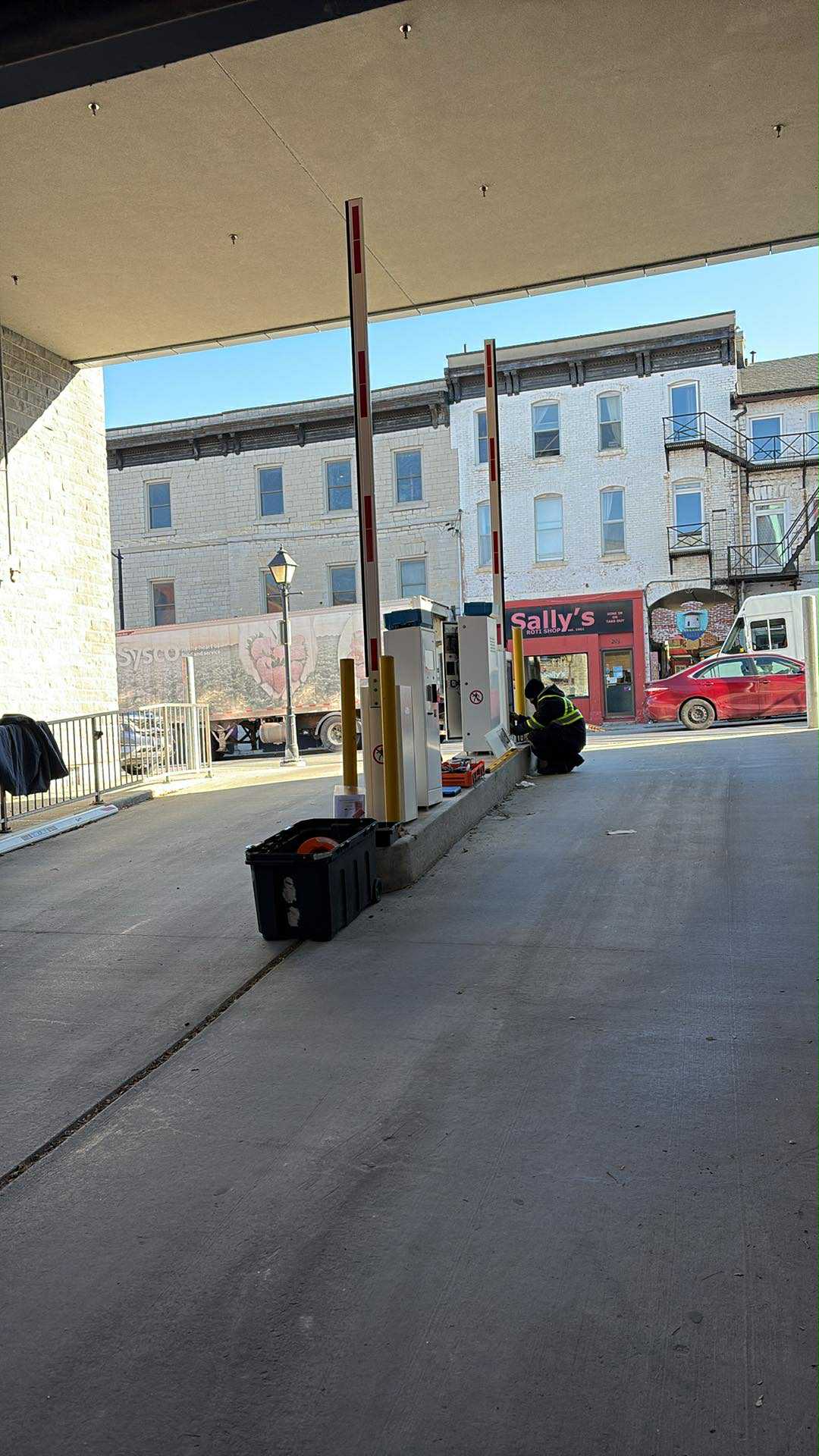
Plan access for your building and its tenants.
We can review people, zones, parking, operating responsibilities and integration requirements with your team.
Plan the project