

Lake protection
Zebra mussel prevention: a practical role for lake associations
A lake association can help turn prevention advice into a routine people follow. Its most useful contribution is often coordinating information, access owners and the practical journey between washing and launching.

The decision
Start with the access map
List the public launches, private access points and washing facilities used around the lake. Record who manages each location, its hours and where boaters can obtain reliable instructions.
Use that map to identify gaps: an unmarked launch, a wash station that closes earlier than the ramp, or conflicting information from different organizations. Resolve those gaps with the responsible owners before proposing more equipment.
Use official prevention instructions
Zebra mussels can travel as adults attached to equipment or as microscopic larvae in residual water. A boat that looks clean may still contain water that needs to be drained. Quebec’s guidance addresses cleaning, draining and drying watercraft and equipment to reduce the movement of aquatic invasive species. Direct boaters to the current official procedure rather than inventing a local shortcut based only on wash duration.
Keep signs, association messages and staff instructions consistent with the adopted program. Include trailers and associated equipment in the communication. Where a wash protocol is required, confirm it with the responsible environmental and municipal teams.
Divide the responsibilities clearly
An association can help inform users, gather observations and coordinate volunteers. Rules governing a launch need to be established by the appropriate authority or owner, with the necessary review. Ownership alone should not be treated as a complete legal analysis.
Name who operates the wash station, validates accepted proof, answers complaints and handles equipment faults. A volunteer communications program and a controlled-access installation have different staffing requirements.
On a narrow screen, scroll the table horizontally to see every column.
| Topic | Information to bring | People to involve |
|---|---|---|
| Access locations | Launches, owners, hours and approach routes | Association and access managers |
| Visitor instructions | Current cleaning guidance and accepted local proof | Environmental/program lead |
| Operating service | Wash availability, assistance and maintenance | Wash and launch operators |
| Season review | Defined activity counts, outages and observations | Named reporting lead |
Choose equipment to solve a defined gap
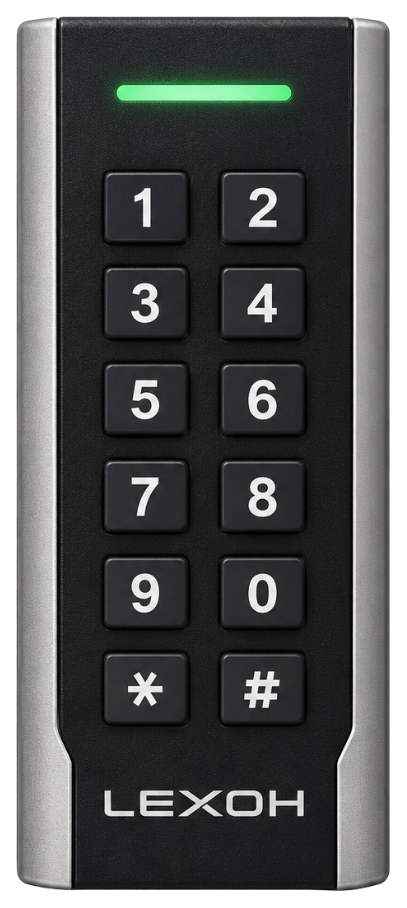
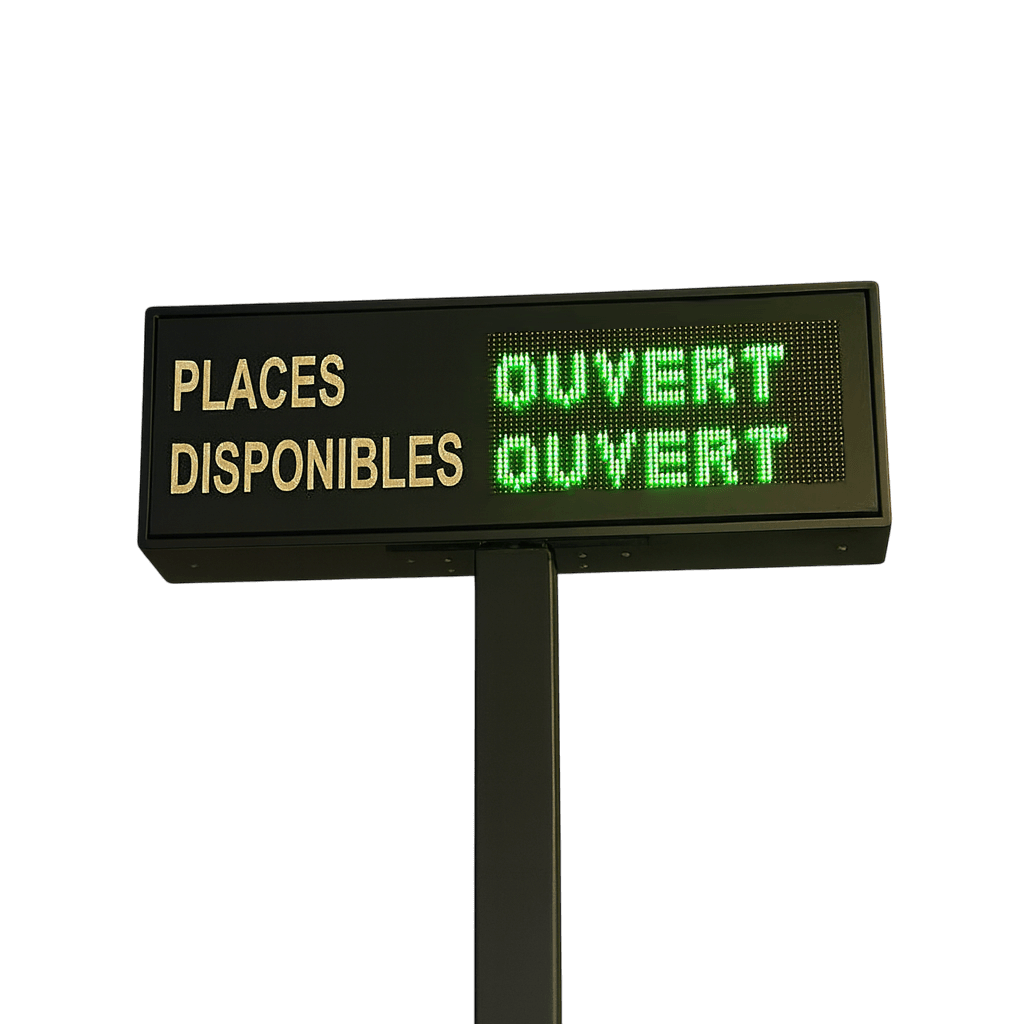
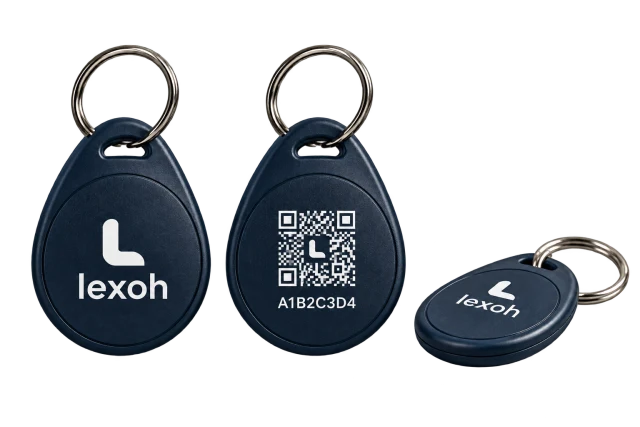
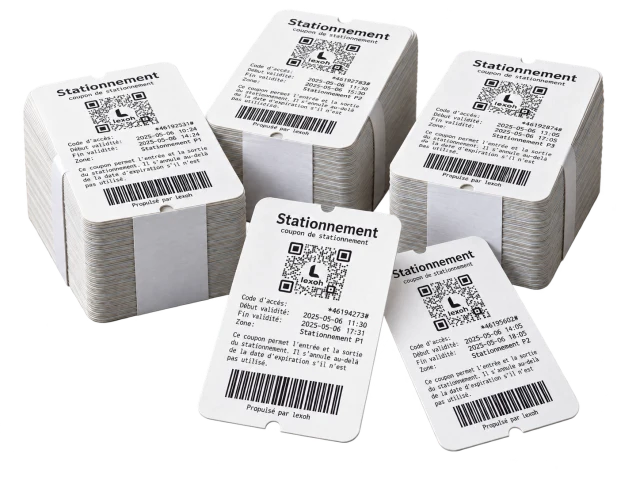
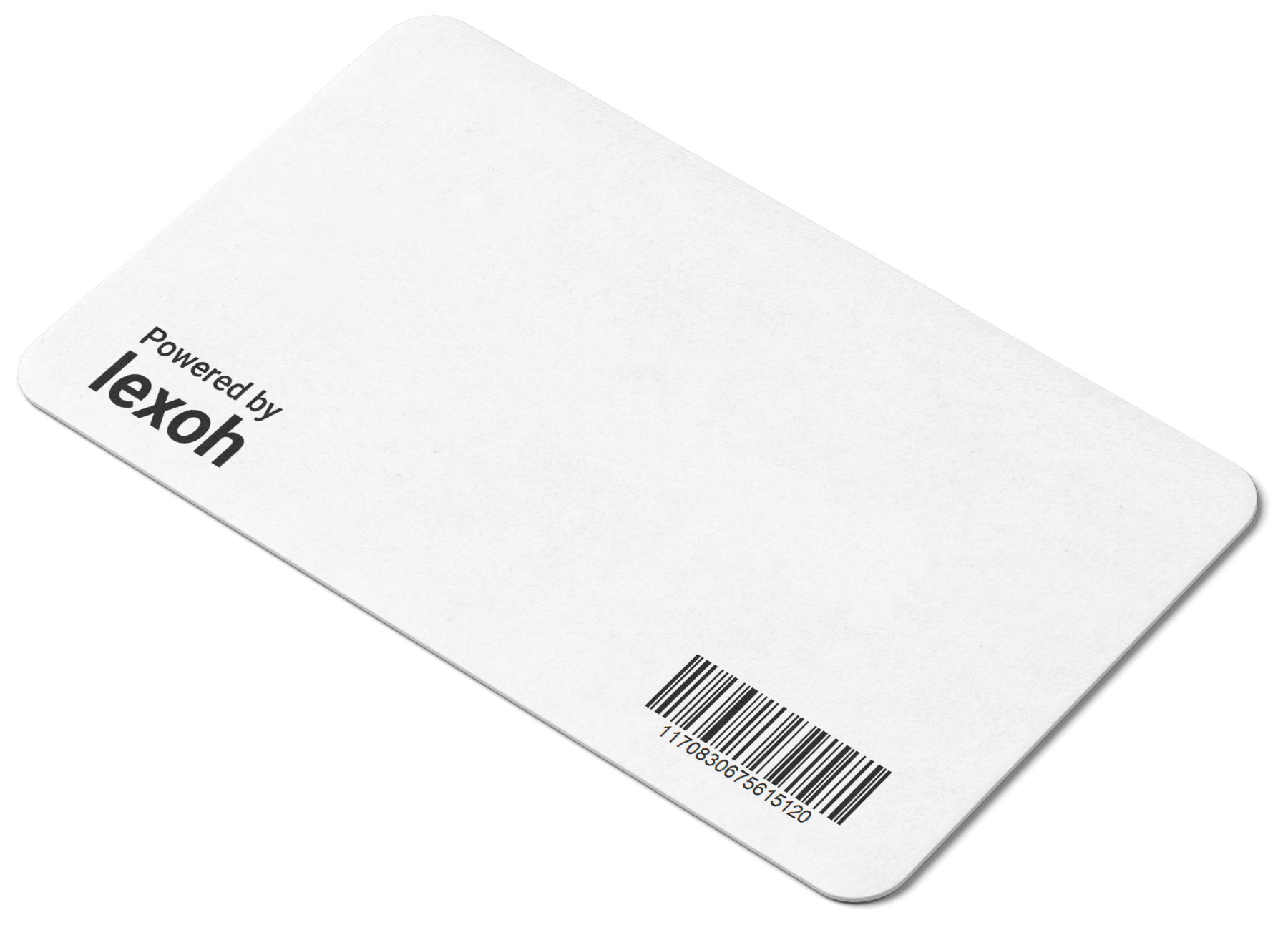
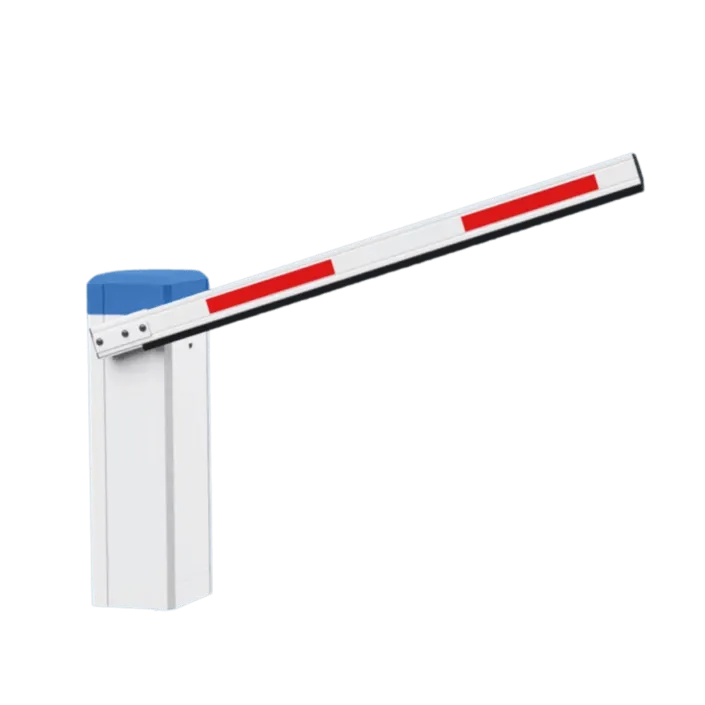
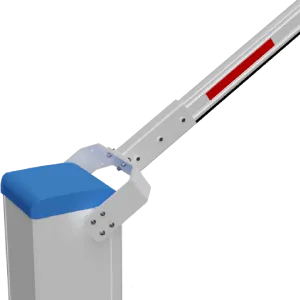
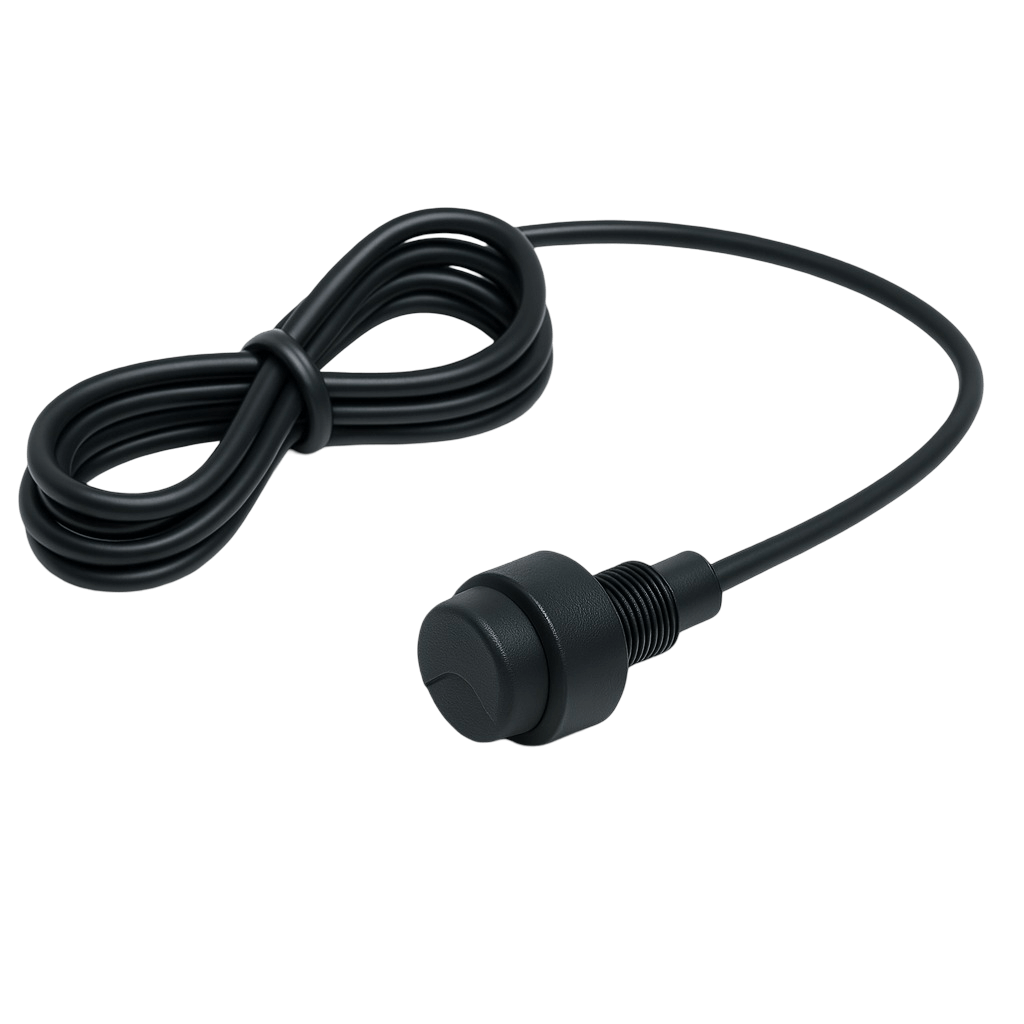
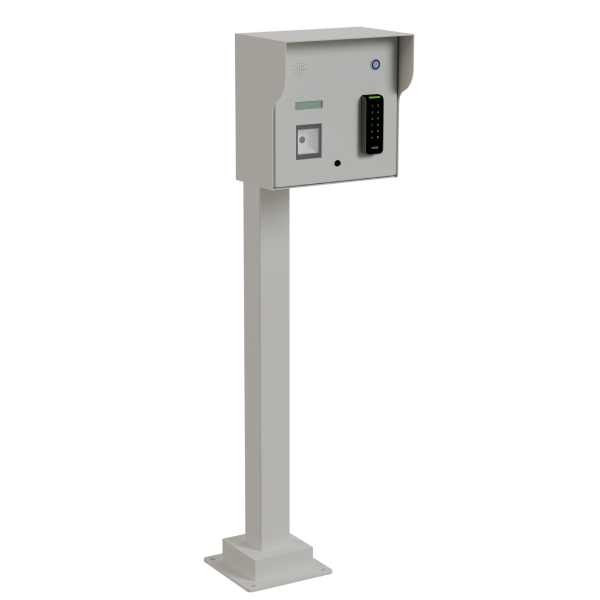
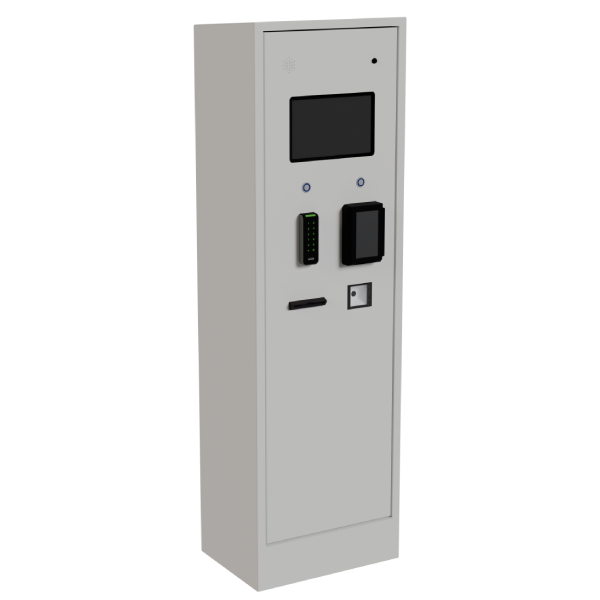
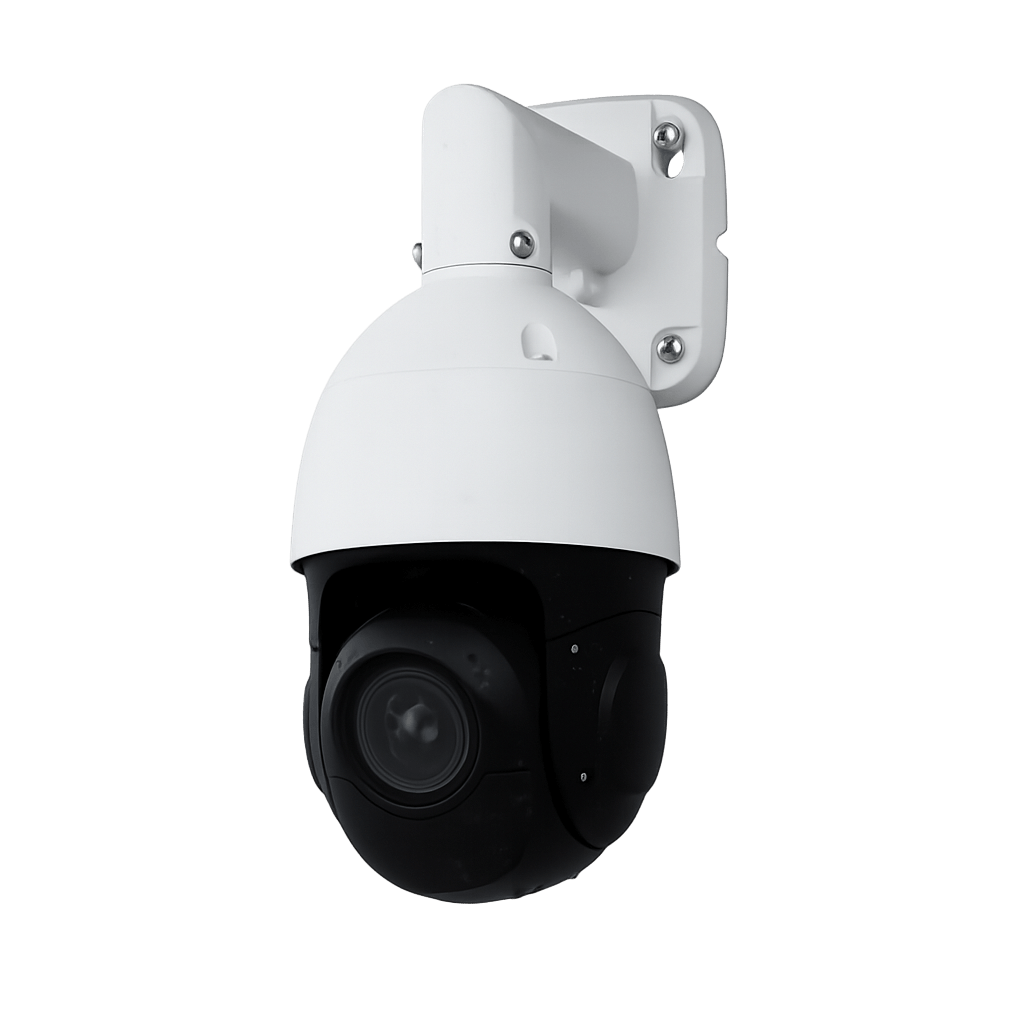
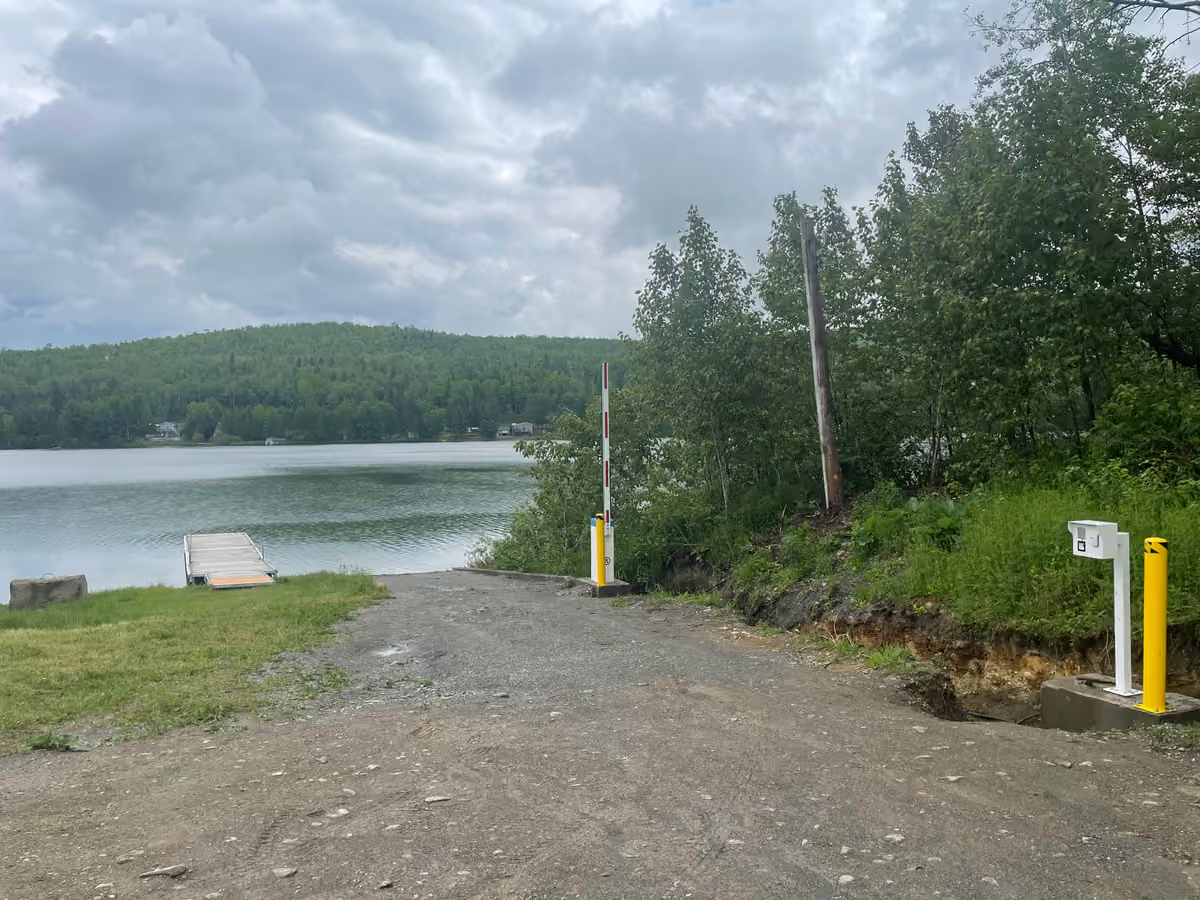
An attended wash process, printed proof or a connected kiosk and barrier may each suit a different program. Compare circulation, water and power services, drainage, connectivity, winter preparation and maintenance.
Lexoh connects compatible washing and launch-access equipment. A station-issued proof can record that a configured condition was met; it does not certify that every organism was removed from the boat.
Measure activity without overstating the result
Track what the records actually count: visits, wash cycles, issued proofs, launch passages or assisted exceptions. Keep definitions stable across the season. A wash count is not automatically a count of unique boats.
Use complaints, queues and breakdowns to improve operations. Assess ecological results through appropriate environmental monitoring. Access statistics alone cannot demonstrate that a lake has remained free of invasive species.
Questions
Practical questions
Is a visual check enough to rule out zebra mussels?
No. Québec’s species guidance explains that larvae can be invisible to the naked eye and travel in residual water. Follow the current cleaning, draining and drying guidance for the boat, trailer and equipment. A clean-looking hull or an access record does not establish that the craft is free of organisms.
What can an association do before a wash station is funded?
Coordinate an access map, current prevention instructions, known wash-station locations and named contacts with the responsible operators. Check whether the published journey is actually usable during launch hours. Record unresolved service gaps and use them to prepare a shared project brief; communications do not replace any required local procedure.
Should an association start by buying a barrier?
Start by identifying the operating gap, responsible authority and agreed program. Equipment follows that scope.
What is a useful first-season report?
A clearly defined activity count, exceptions, downtime, costs and improvement actions, with ecological observations reported separately.
References and further reading
- Gouvernement du Québec — Zebra mussel species profile
Primary source on attached adults, microscopic larvae and residual-water transport; updated September 15, 2026, reviewed September 30, 2026.
- Lake protection and launch access
Lexoh product or project reference.
- Boat-launch planning guide
Lexoh product or project reference.
- Gouvernement du Québec: Nettoyage d’embarcations et d’équipements nautiques
Official cleaning, draining and drying guidance; reviewed September 30, 2026.
Your project
Prepare a shared project brief
Bring the access map and program responsibilities to Lexoh to assess where connected equipment would help.
Discuss the project