
Municipal boat launch
Planning a mandatory boat-wash program at a municipal launch
A mandatory wash program needs a rule visitors can understand and a service they can actually use. The municipal decision, cleaning procedure and access equipment need to be planned together.
 Enlarge photo
The decision
Set the program before buying equipment
Identify the responsible authority, participating launches and approved cleaning procedure. Have the appropriate municipal and legal reviewers establish the requirement, fees, exemptions and enforcement process.
The technical specification should translate the adopted program into observable actions: how visitors wash, what evidence is issued and what a launch accepts. Lexoh supplies connected equipment and workflows; it does not determine the municipality’s legal authority or environmental protocol.
Make the visitor journey workable
Map where visitors learn the requirement, where they wash and how they reach the launch. Consider opening hours, trailer circulation, queues, signs and visitors without a smartphone.
Coordinate the station and launch hours. A launch that accepts arrivals before the only wash station opens needs a policy for that situation. Define member, resident and visiting-boater paths without implying that a fee exemption removes the cleaning requirement.
Specify the proof and its limits
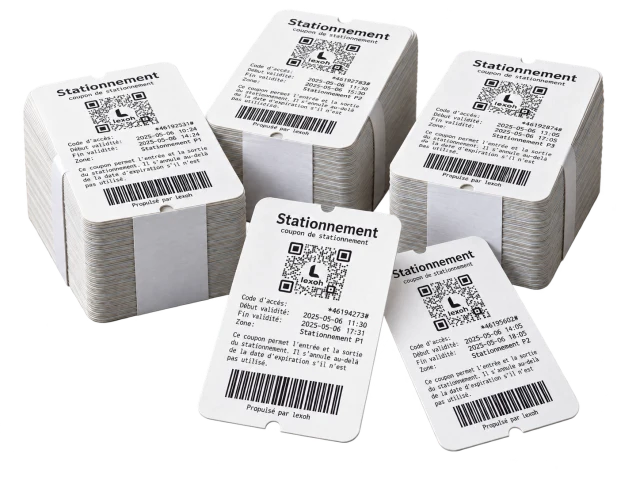
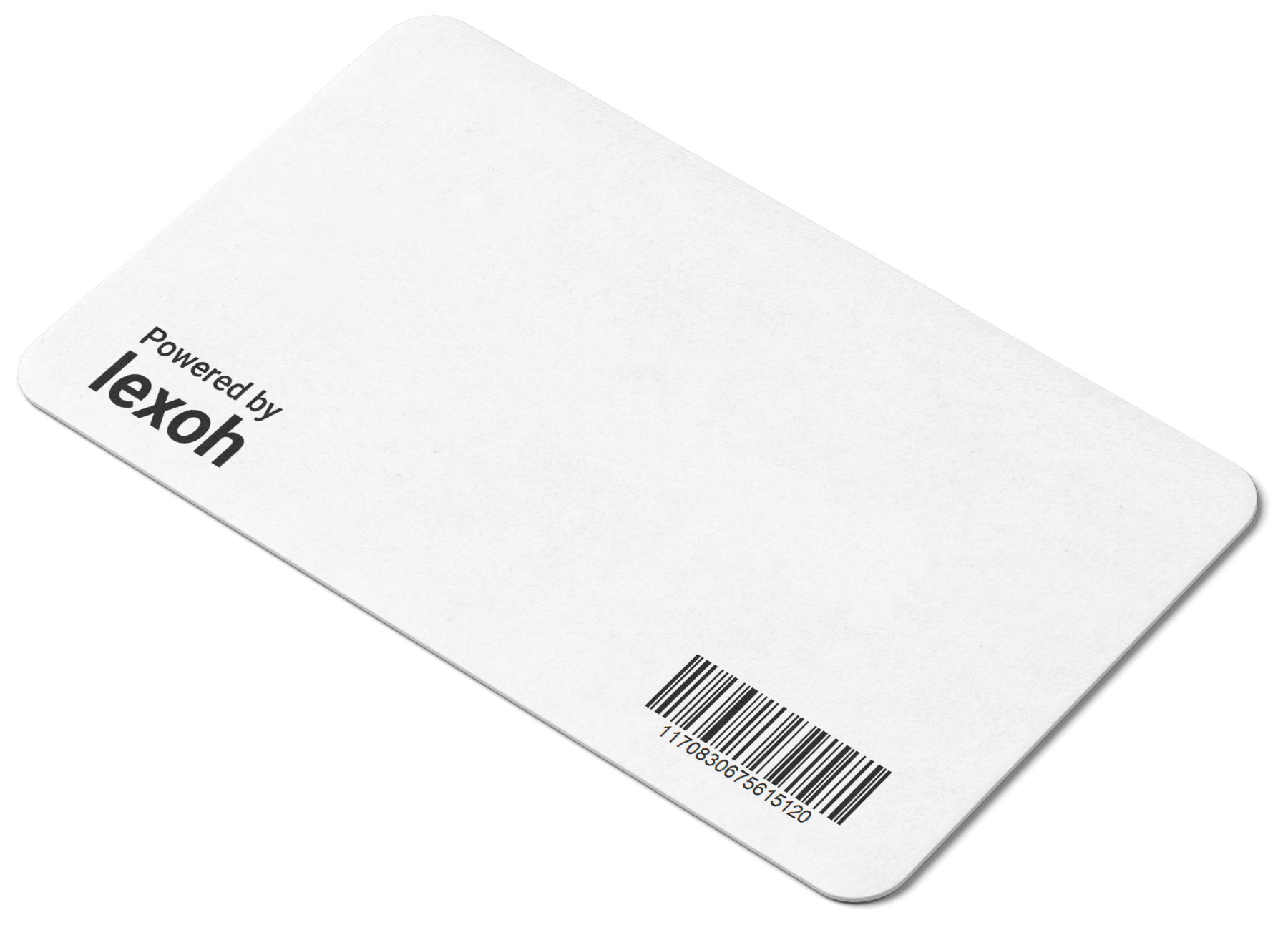
Choose the completion signal supported by the equipment, accepted destinations, validity and permitted use. Include interrupted washes, lost proofs and replacements in the requirements.
Proof records a configured condition. It does not certify that a boat is free of invasive species. The approved cleaning method, public instructions and any inspection remain separate program responsibilities.
Assign the day-to-day work
Name who maintains the washer, replenishes printer supplies, responds to calls and handles exceptions. Define what staff may approve remotely and when a local visit is required.
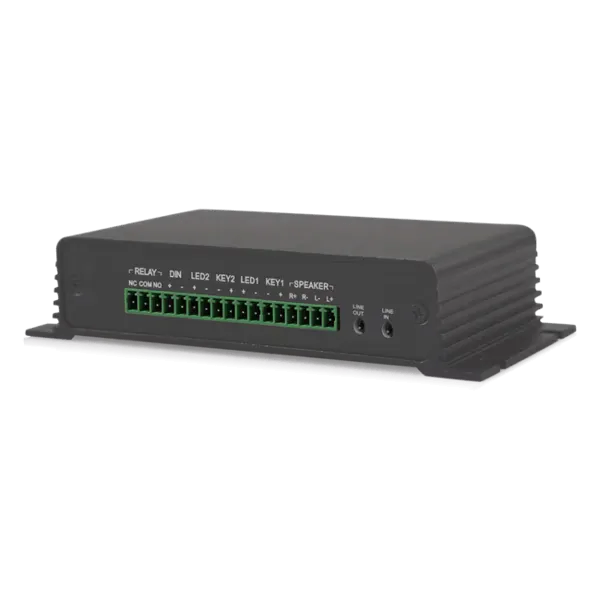
Document power and connectivity interruptions for each location. A compatible offline proof check does not settle payment availability, barrier behaviour or emergency access. Commission these functions separately.
On a narrow screen, scroll the table horizontally to see every column.
| Role to assign | Responsibility | Evidence needed before opening |
|---|---|---|
| Program authority | Approved rules, accepted proof and exceptions | A decision owner and current visitor instructions |
| Wash operator | Equipment readiness and completion condition | Maintenance, supplies and interrupted-wash response |
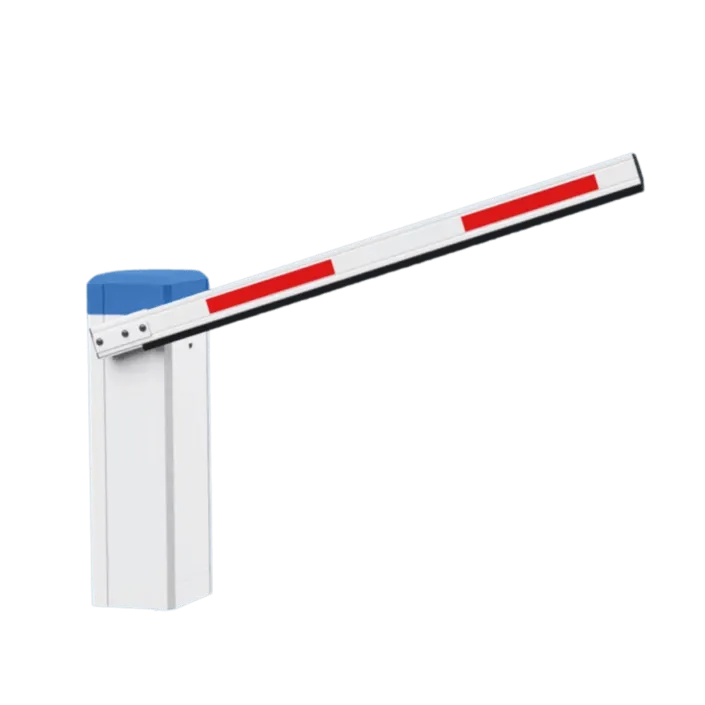
| Launch operator | Validation, vehicle passage and assistance | Return/exit sequence and escalation contacts |
| Integrator and service team | Documented configuration and equipment interfaces | Acceptance results, recovery procedures and support scope |
Evaluate the first season with meaningful records
Distinguish washes started, proofs issued, accepted passages and assisted openings. None is automatically a count of unique boats. Compare activity with complaints, equipment downtime and staffing effort.
Use that review to adjust instructions, capacity and maintenance before the next season. A connected register can explain how the program operated; ecological outcomes require appropriate environmental evidence beyond access statistics.
Questions
Practical questions
Can a municipal wash program serve visitors without a smartphone?
Yes, if the chosen service includes an accessible alternative such as printed proof, a compatible card path or staff assistance. Specify how visitors obtain instructions, pay when required and present proof at the launch. Demonstrate that complete path with the selected equipment before opening.
What should the municipality provide for a technical proposal?
Provide the adopted program, participating locations, user groups, hours and exception policy. Add site plans, existing equipment references, available water/power/communications and expected trailer queues. State the required records and who operates each location so installation and ongoing service can be priced against the same scope.
Can technology decide which exemptions are valid?
It can apply the configured rules. The responsible authority must first define the exemptions and who may approve an exception.
Should procurement include operating costs?
Yes. Include utilities, maintenance, consumables, communications, software, assistance and seasonal preparation alongside installation.
References and further reading
- Ville de Lac-Brome — Boat-wash program FAQ
Primary example of locally defined certificate validity, accepted station and visitor categories; reviewed September 30, 2026. These are not universal Lexoh rules.
- Lake protection and launch access
Lexoh product or project reference.
- Boat-wash station
Lexoh product or project reference.

Your project
Turn the program into a technical scope
Lexoh can map the adopted wash requirements to compatible equipment, proof validation and operating support.
Discuss the project