

Parking lot cameras
Parking lot cameras: coverage, evidence and viewing access
A camera that shows the whole parking lot may not show a readable plate or the detail needed to investigate damage. Define the task before choosing the position and image requirements.
The decision
Give each view a purpose
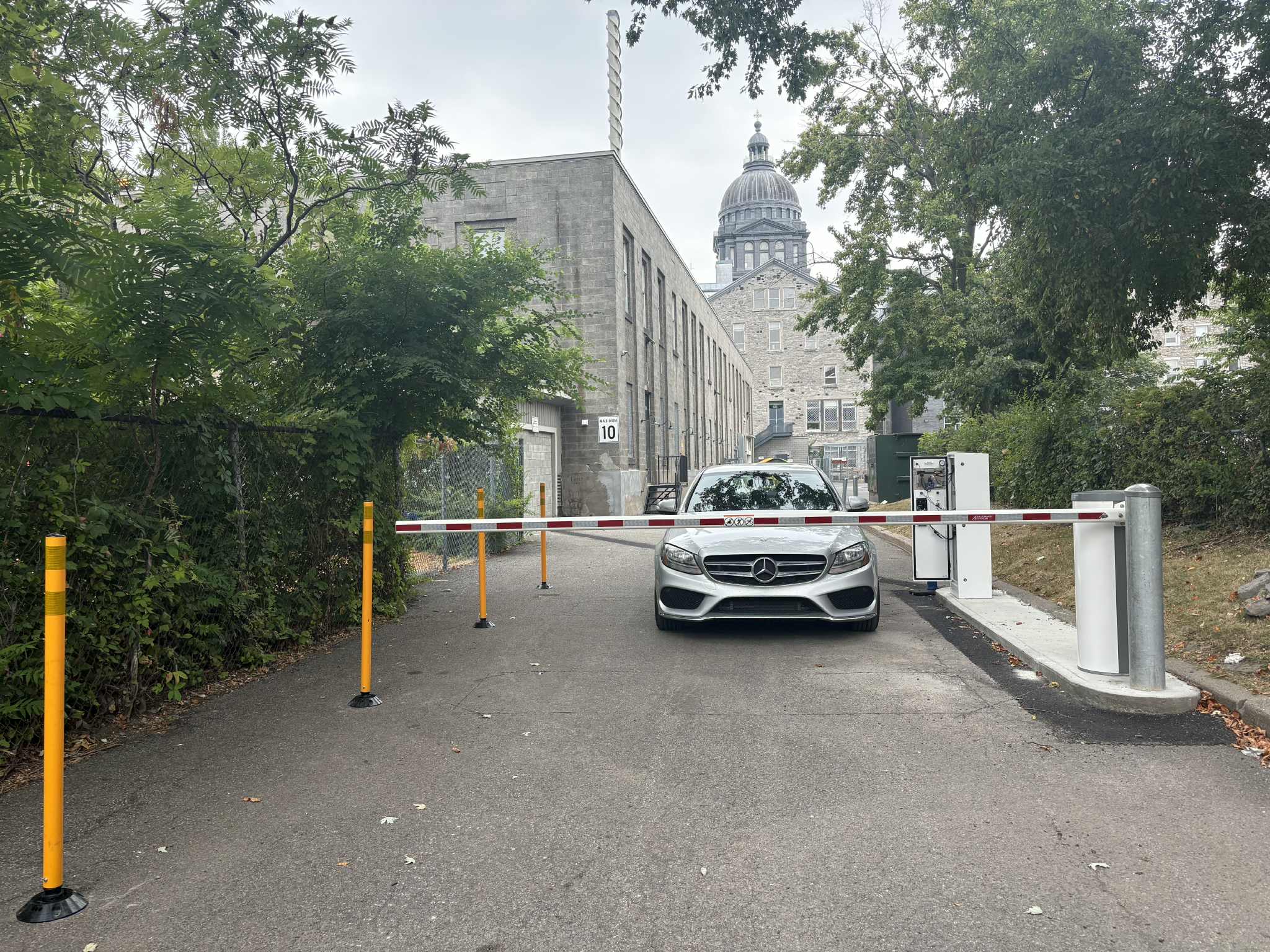
Separate the questions the site needs to answer: vehicle movement at an entrance, activity around a payment kiosk, or an incident in a parking aisle. Map the required views and identify areas that should stay outside the frame.
Lexoh’s connected video and access workflows can support operational review. The result depends on the selected cameras, recording configuration and site conditions.
Separate overview and plate capture
An overview camera can help explain a vehicle’s path or the sequence around an incident. License plate recognition needs an image suitable for reading characters at a defined capture point. A single view may not perform both tasks well.
Check the actual approach, distance, speed and lighting with the chosen equipment. Test after dark as well as in daylight. Snow, glare, dirt and other obstructions can leave gaps that a higher resolution alone will not resolve.
On a narrow screen, scroll the table horizontally to see every column.
| Task | Required view | Check on site |
|---|---|---|
| Entrance sequence | Vehicle approach and barrier area | Vehicle remains visible through the relevant movement |
| Plate reading | Defined capture point and readable characters | Test moving vehicles by day and after dark |
| Kiosk incident | Relevant interaction area | Useful detail without unnecessary neighbouring coverage |
| Parking aisle incident | Selected aisle and movement path | Check obstructions from parked vehicles and seasonal conditions |
Verify what is recorded
Confirm recording schedules, storage, retention and what happens when the camera or network is unavailable. Live viewing does not establish that a usable recording will exist later.
Retrieve an event from the proposed retention period during acceptance. Check the time, image detail and export process. Where cameras and access events are associated, verify that the selected view actually covers the relevant entrance.
Decide who may look and why
Define the surveillance purpose before installation and review whether the proposed coverage is necessary. Assign viewing and export permissions by role; access to parking administration should not automatically give unrestricted access to recordings.
Quebec’s Commission d’accès à l’information publishes guidance on video surveillance for public bodies and businesses. Use it with the organization’s privacy lead to plan notices, access, retention and disclosure. This article does not establish a universal retention period.
Make incident handling repeatable
Provide staff with a simple request process: location, approximate time, reported event and person responsible for the review. Preserve relevant material through the approved procedure before routine deletion occurs.
A recording can help establish what was visible. It does not automatically identify a driver, establish fault or document activity outside the frame. Keep those limits clear when responding to complaints.
Questions
Practical questions
How do I request footage after damage to my vehicle?
Contact the parking operator or the organization responsible for its cameras promptly. Give the location, date, approximate time and a description of the incident. Ask about its request and preservation process. Lexoh’s project enquiry form does not retrieve recordings from a customer’s site, and footage may be unavailable.
Can we keep our existing parking cameras?
Possibly. Have Lexoh assess the models, available streams, recording system, network and permissions, then demonstrate the required live, playback and export workflow. A working live stream alone does not establish playback compatibility or adequate image detail.
Can an overview camera also read plates?
Sometimes, but it must be tested for that task. Frame coverage alone does not establish reliable character capture.
How long should footage be kept?
Define retention from the surveillance purpose and applicable obligations with the organization’s privacy lead. Storage capacity is not the only criterion.
References and further reading
- Video security
Lexoh product or project reference.
- License plate recognition
Lexoh product or project reference.
- Axis Communications: License plate capture
Image capture, installation geometry and weather limitations; consulted September 27, 2026.
- Commission d’accès à l’information du Québec: La vidéosurveillance, conseils pratiques
Reference for surveillance purpose, access and retention planning; consulted September 27, 2026.
Your project
Plan camera coverage by task
Share the incident types and entrances that need observation so Lexoh can assess suitable views and recording requirements.
Discuss the project