

Proof of wash
Proof of boat washing: what should the launch verify?
Wash proof should communicate a specific fact under a local program: where it was issued, what condition it records and where it is accepted. Its format alone does not establish its reliability.
The decision
Separate proof from permission
A payment receipt, a membership card and proof of washing can represent different things. A paid visitor may still need to wash; a member may be exempt from a fee but subject to the same cleaning procedure.
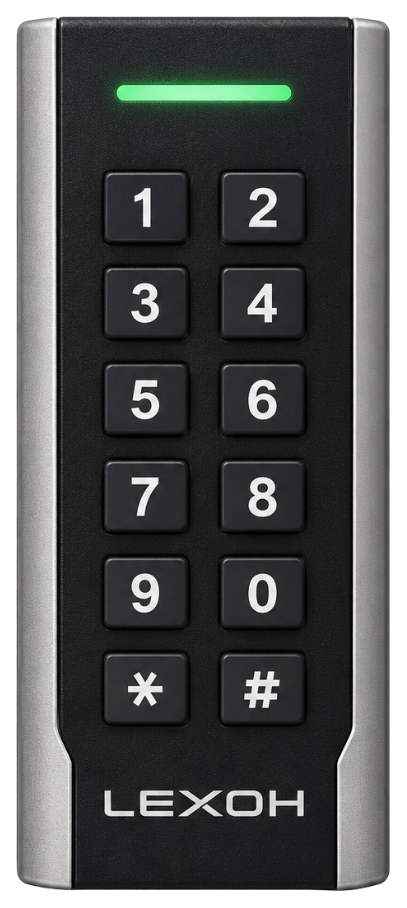
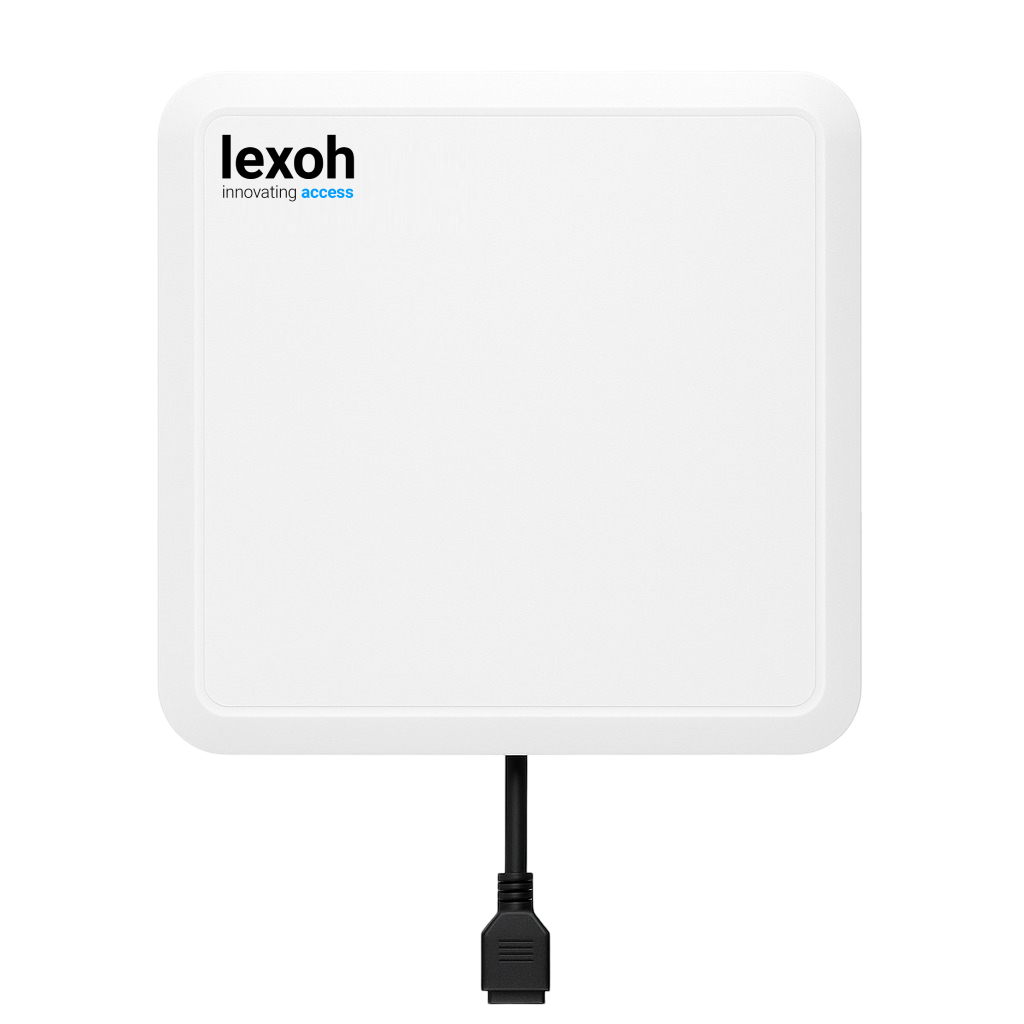
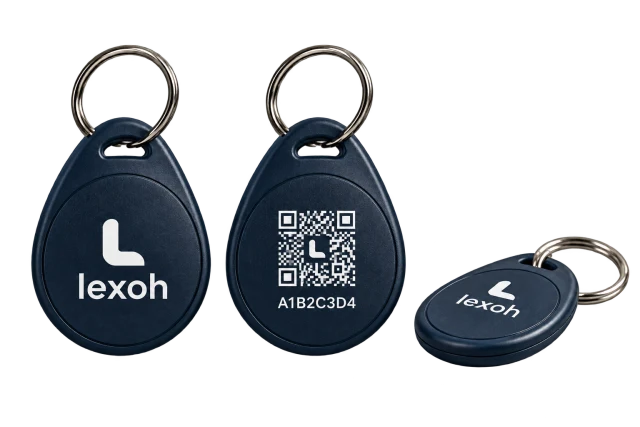
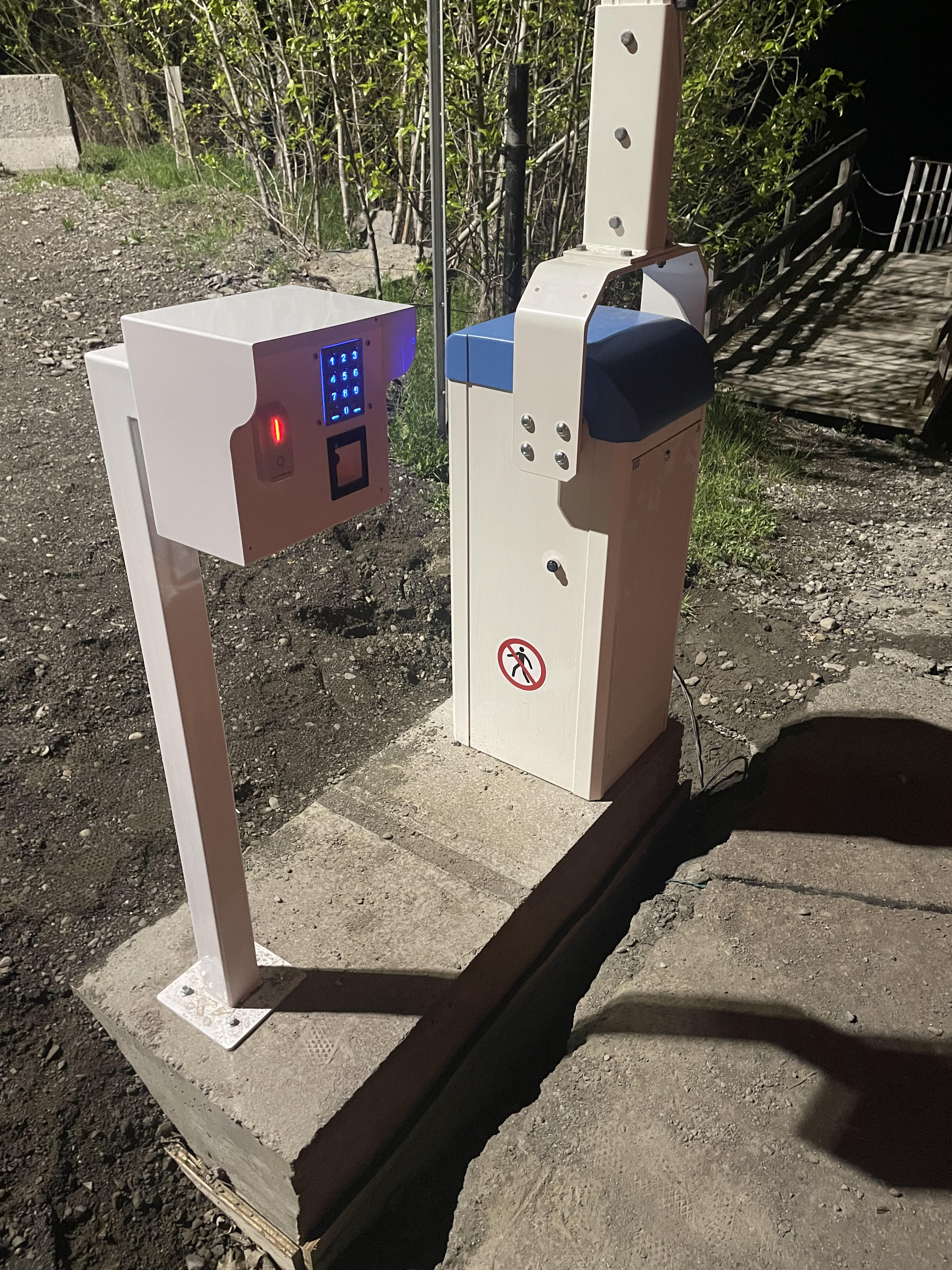
Define the accepted evidence before selecting a reader. Lexoh’s connected wash workflow can issue configured proof after the station records the required condition and validate that proof at a compatible launch.
Paper and stickers need a checking procedure
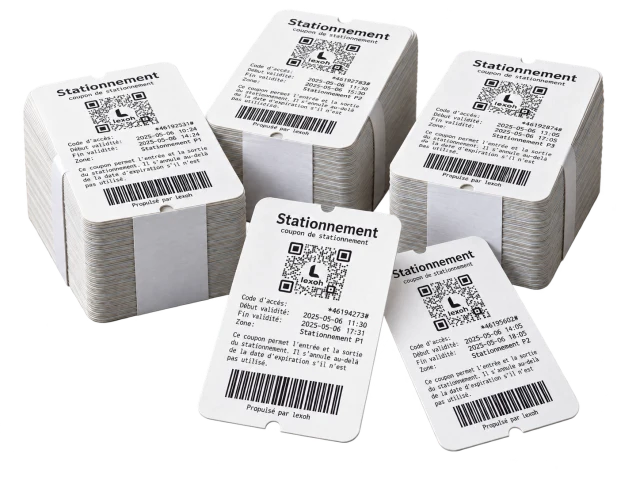
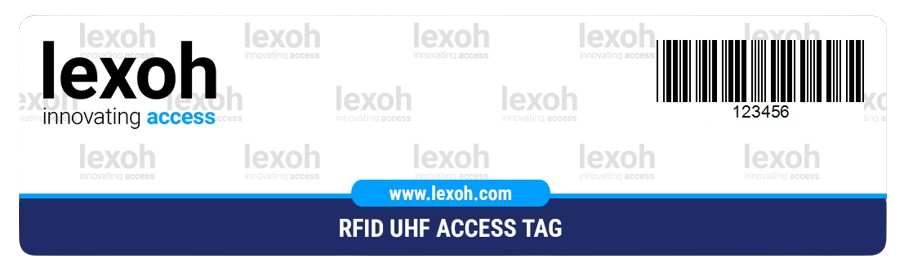
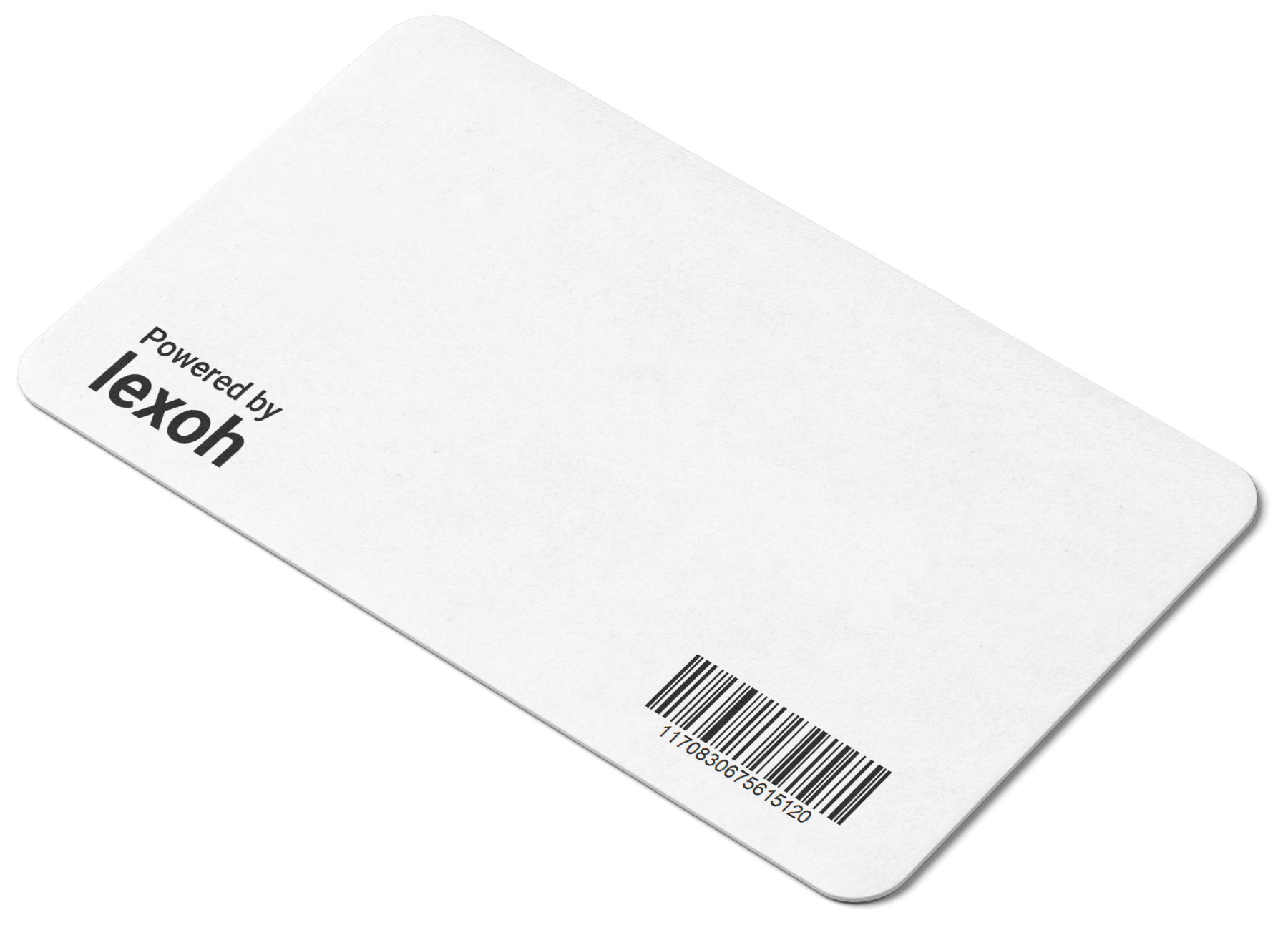
Paper can carry the issuing station, date, destination and other required details. Staff need a way to distinguish a valid original from an expired or copied document. A sticker can make a status visible, but it may remain attached after that status changes.
These formats can suit an attended process. Their value depends on issuance, inspection and replacement rules. Do not assume that a sticker demonstrates a wash immediately before every launch.
On a narrow screen, scroll the table horizontally to see every column.
| Evidence or identifier | Verification needed | Limit to address |
|---|---|---|
| Paper certificate | Issuer, date and accepted destination | Copies and replacement procedure |
| Sticker | Meaning and current validity | May remain after status changes |
| Configured QR | Authenticity, validity and permitted use | Copying and coordination between readers |
| Member card or plate | Explicit association with the required proof | Identification alone does not prove washing |
A QR code needs rules behind it
A Quick Response (QR) code is a two-dimensional code that presents data. The access workflow determines its validity, accepted destination and permitted use. A screenshot is another copy of the code, so reuse controls depend on how the reader validates it and records consumption.
Test repeated scans, replacements and use at the wrong launch. Where multiple readers can be disconnected, ask how usage limits are enforced across them. Do not promise immediate network-wide single-use control without verifying that architecture.
Distinguish local validation from live status
Lexoh documents a special encrypted QR that a compatible controller can validate offline. This is a defined implementation, not a property of every QR code.
Clarify which checks can be made locally and which depend on current shared records. Revocations, reporting and coordination between launches may have different connectivity requirements. Record those limits in the operating procedure.
Keep the meaning of proof accurate
A station can record a configured process condition, such as the measured wash requirement supported by its equipment. That does not prove the entire boat was cleaned or certify the absence of invasive species.
Keep environmental instructions and inspection responsibilities separate from the access log. Use the records to understand program use and exceptions, without treating a count of issued proofs as a count of biologically verified boats.
Questions
Practical questions
How long is a wash certificate valid?
Use the rule published by the destination’s program, including any rule triggered when the boat leaves the waterbody. Do not assume a universal 24-hour duration. Confirm which issuing stations are accepted and how an extended stay or a replacement is handled before configuring the reader.
What should staff do when a printed proof is lost or damaged?
Use an approved replacement procedure to establish the relevant wash record and destination. Define whether the original must be invalidated, when that change reaches each reader and what happens at disconnected launches. Keep replacement distinct from an exception that authorizes access without the normally required proof.
Can a plate or membership card replace proof of washing?
Only if the program and implemented workflow explicitly establish the required link. A vehicle or member identifier alone is not proof of a wash.
Is a QR code automatically encrypted?
No. Encryption and validation depend on the implementation. Lexoh’s documented offline proof uses a specific encrypted workflow.
References and further reading
- Ville de Lac-Brome — Boat-wash program FAQ
Primary example of locally defined certificate validity, accepted station and visitor categories; reviewed September 30, 2026. These are not universal Lexoh rules.
- Boat-wash station
Lexoh product or project reference.
- Boat-launch planning guide
Lexoh product or project reference.
Your project
Define what your proof must establish
Review destinations, validity, replacement and offline checks with Lexoh before selecting the format.
Discuss the project