

Parking systems
What is a PARCS parking system?
PARCS stands for Parking Access and Revenue Control System. It connects the rules for entering and leaving a parking facility with the records used to charge for a stay, manage permits and review exceptions.
The operating model
Follow a stay from arrival to the financial record
The useful unit of design is a complete parking visit. How is the stay identified? What makes it valid? How does a payment or permit affect the exit decision? What record remains for the operator and finance team?
Lexoh’s PARCS solution brings compatible lane equipment, credentials, payments and operational records into a configured system. The required equipment follows those decisions: not every project needs a ticket dispenser, plate camera or payment terminal at every lane.
What happens during a paid parking visit?
Consider an illustrative pay-before-exit arrangement. At entry, the system associates the arrival with a ticket, plate or another supported reference. Before leaving, the driver presents that reference and pays the amount calculated under the site’s rate rules. The exit then checks the corresponding right and requests an opening when the configured conditions are met.
The relationship between those records matters. A payment against the wrong plate may be a successful transaction without satisfying the waiting vehicle’s exit check. Staff need a way to locate the stay and payment, correct an allowed error and document any exception.
Permit holders may follow another path: the entrance checks an active entitlement instead of collecting payment for each visit. Define how both groups share the lanes and whether either receives a guarantee of available capacity.
Which parts belong in the system?
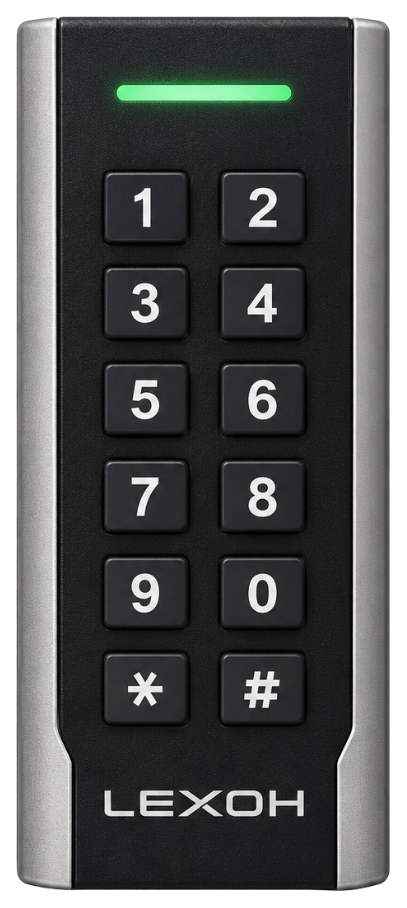
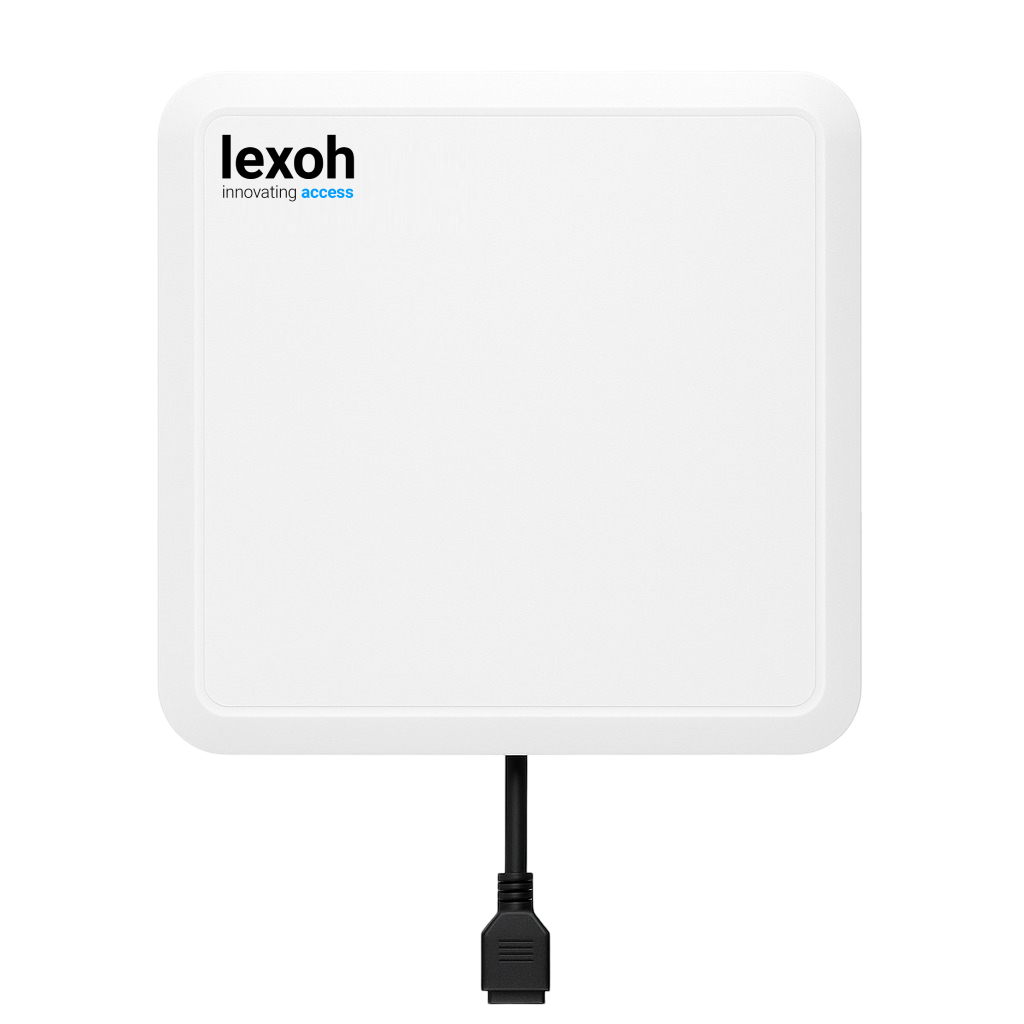
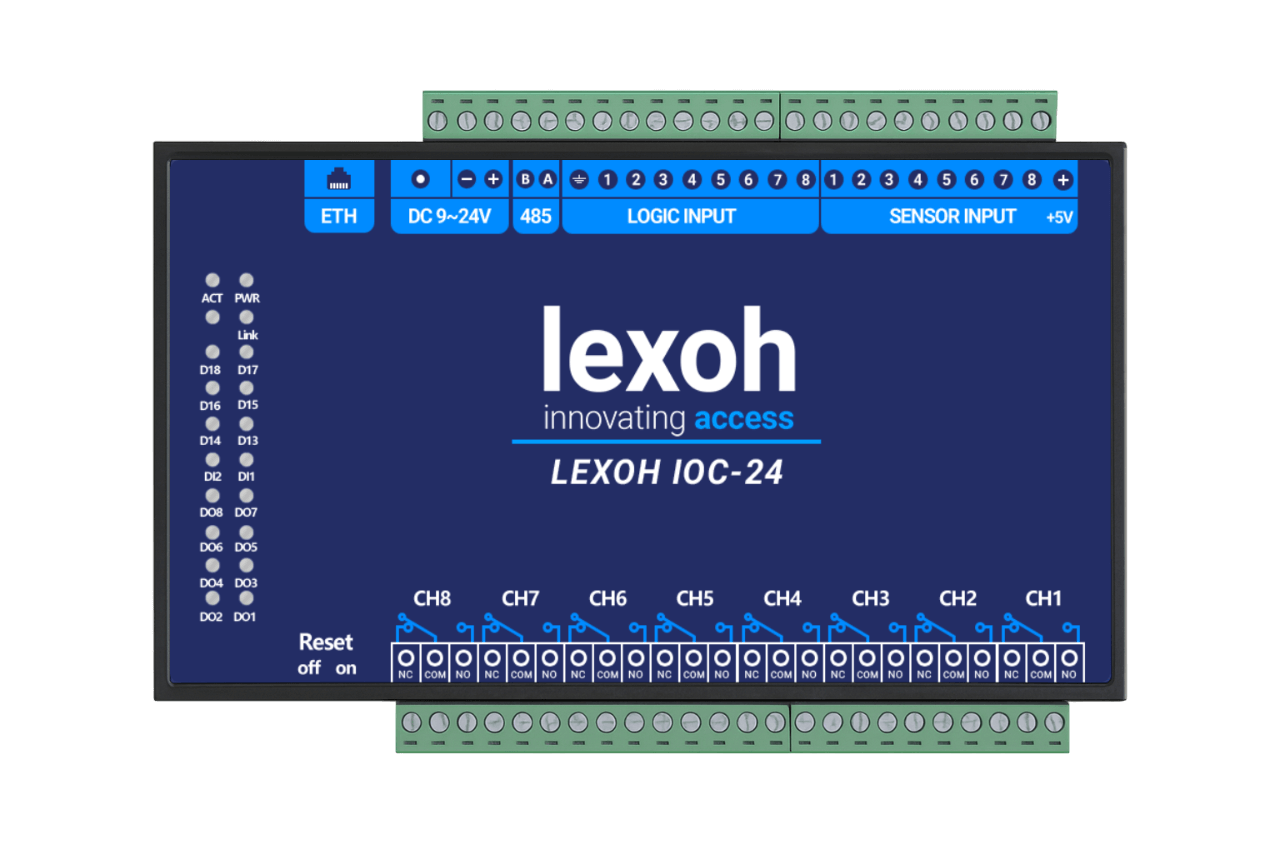
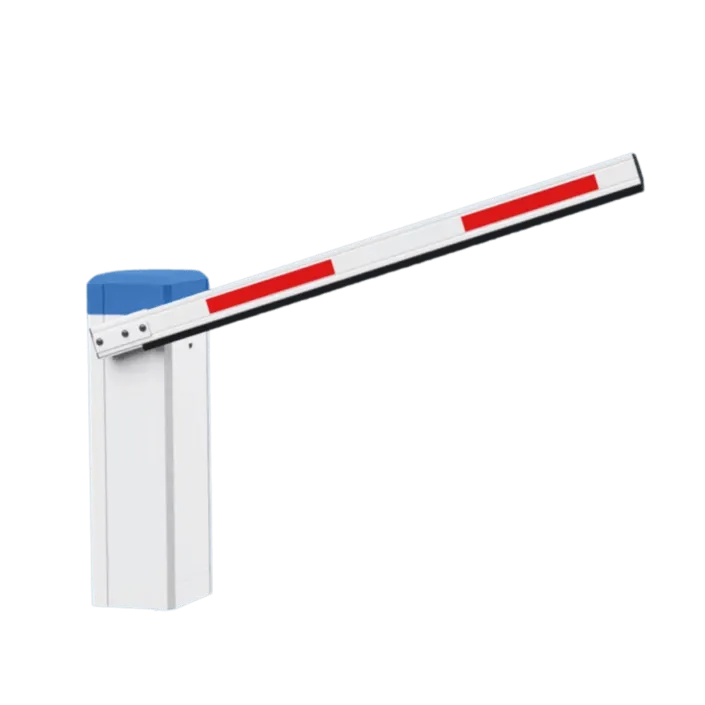
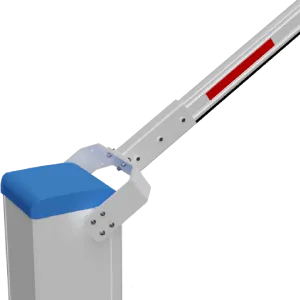
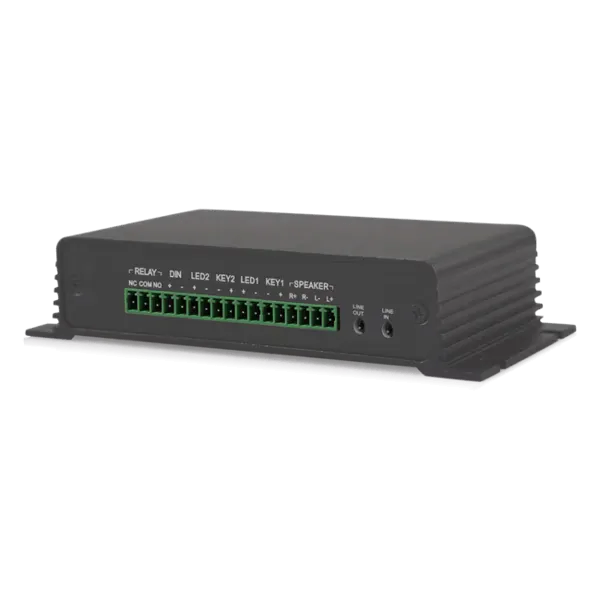
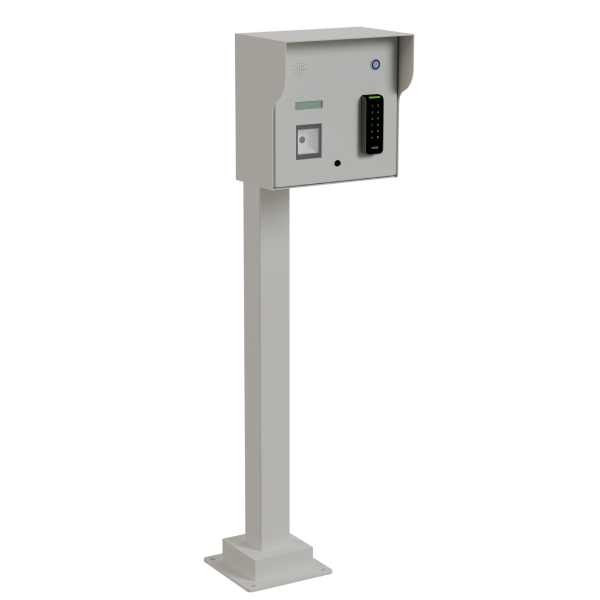
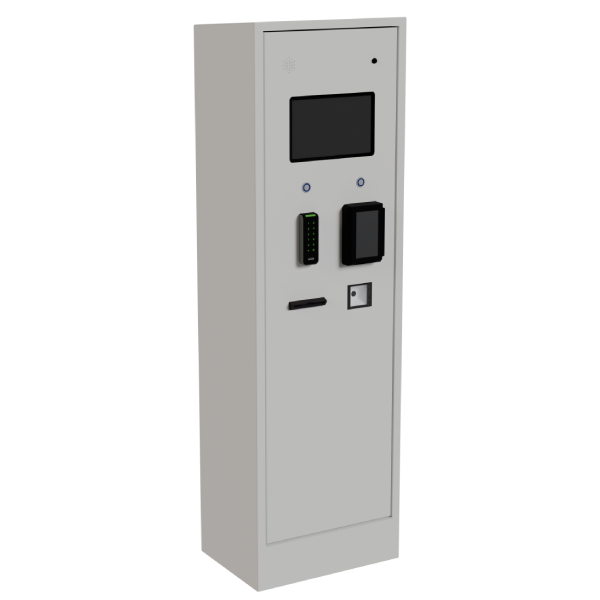
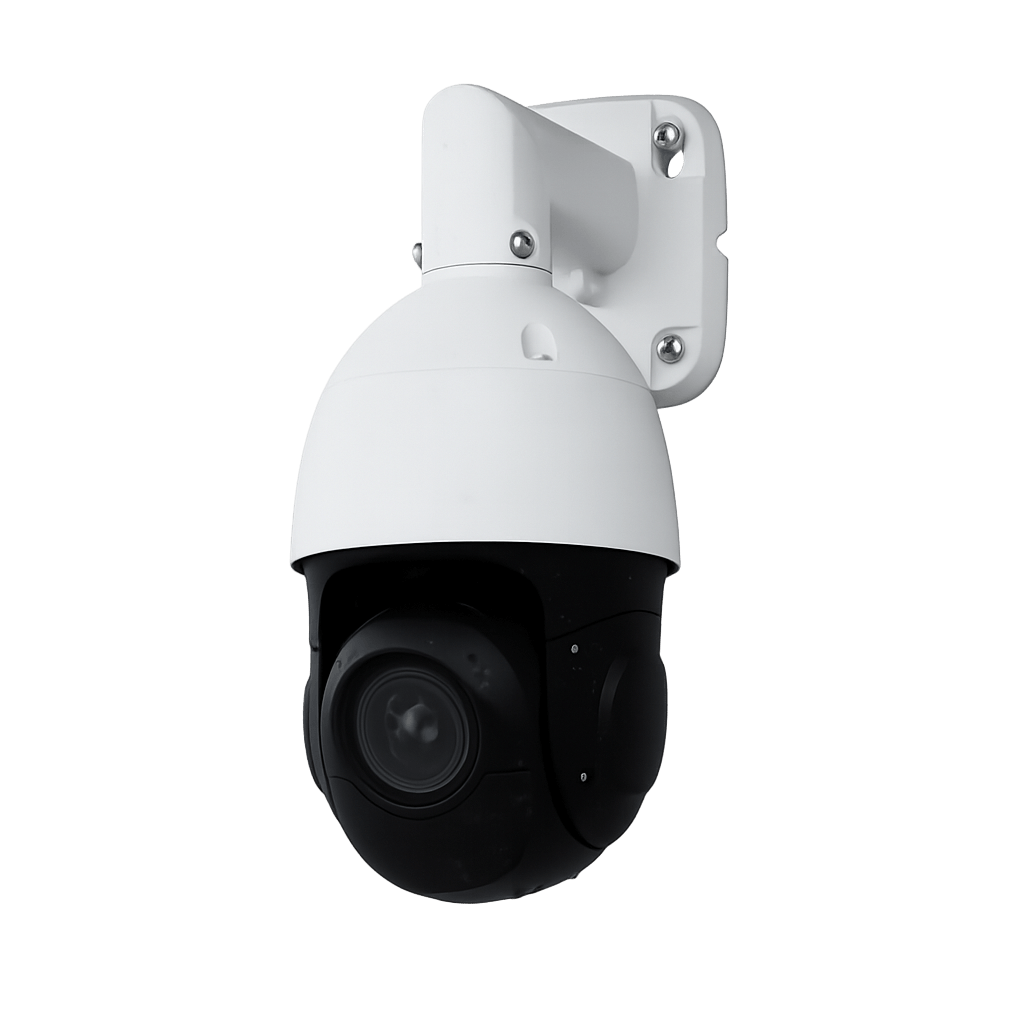
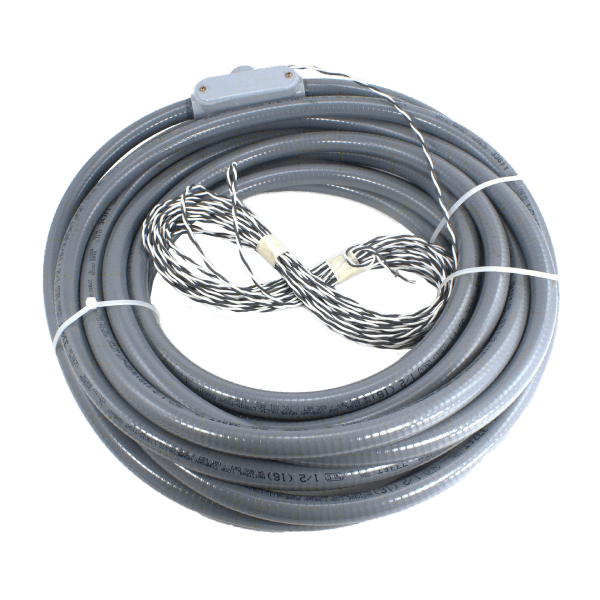
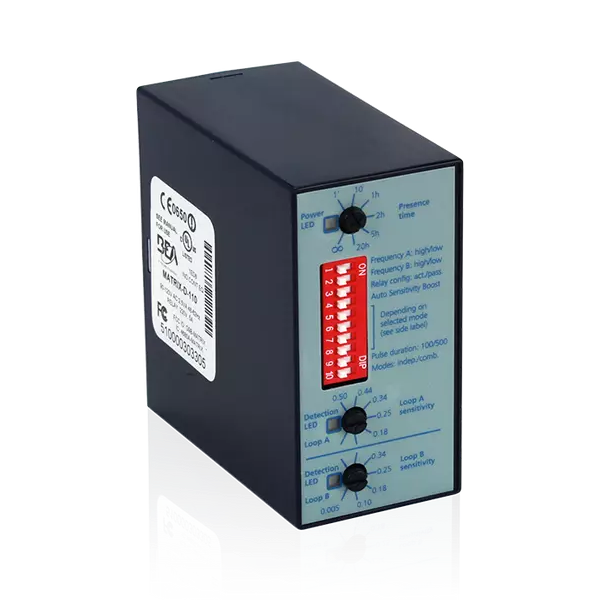
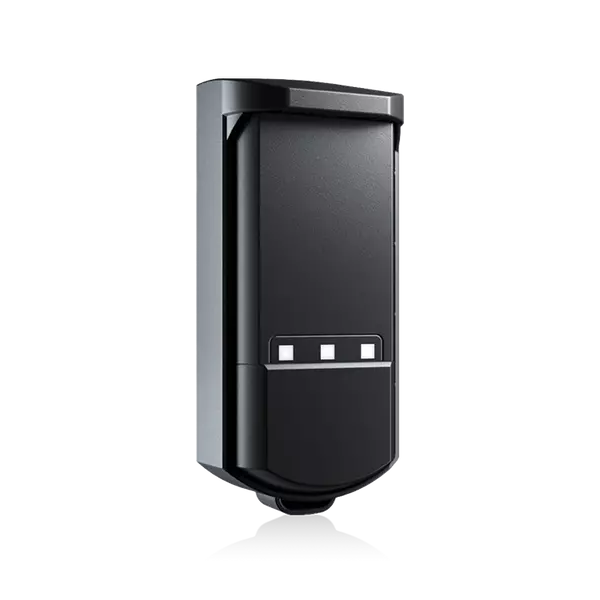
Build the equipment list from the operating sequence. A reader identifies the presented credential; the access logic checks the right; a controller and connected operator carry out the authorized action. Vehicle detection supports the specified lane sequence. The payment service and management tools have their own responsibilities.
An opening command and a confirmed passage are different events. If occupancy or incident review depends on knowing that a vehicle passed, specify the required observations and feedback. Do not assume a barrier command alone supplies that evidence.
| Function | Question to settle |
|---|---|
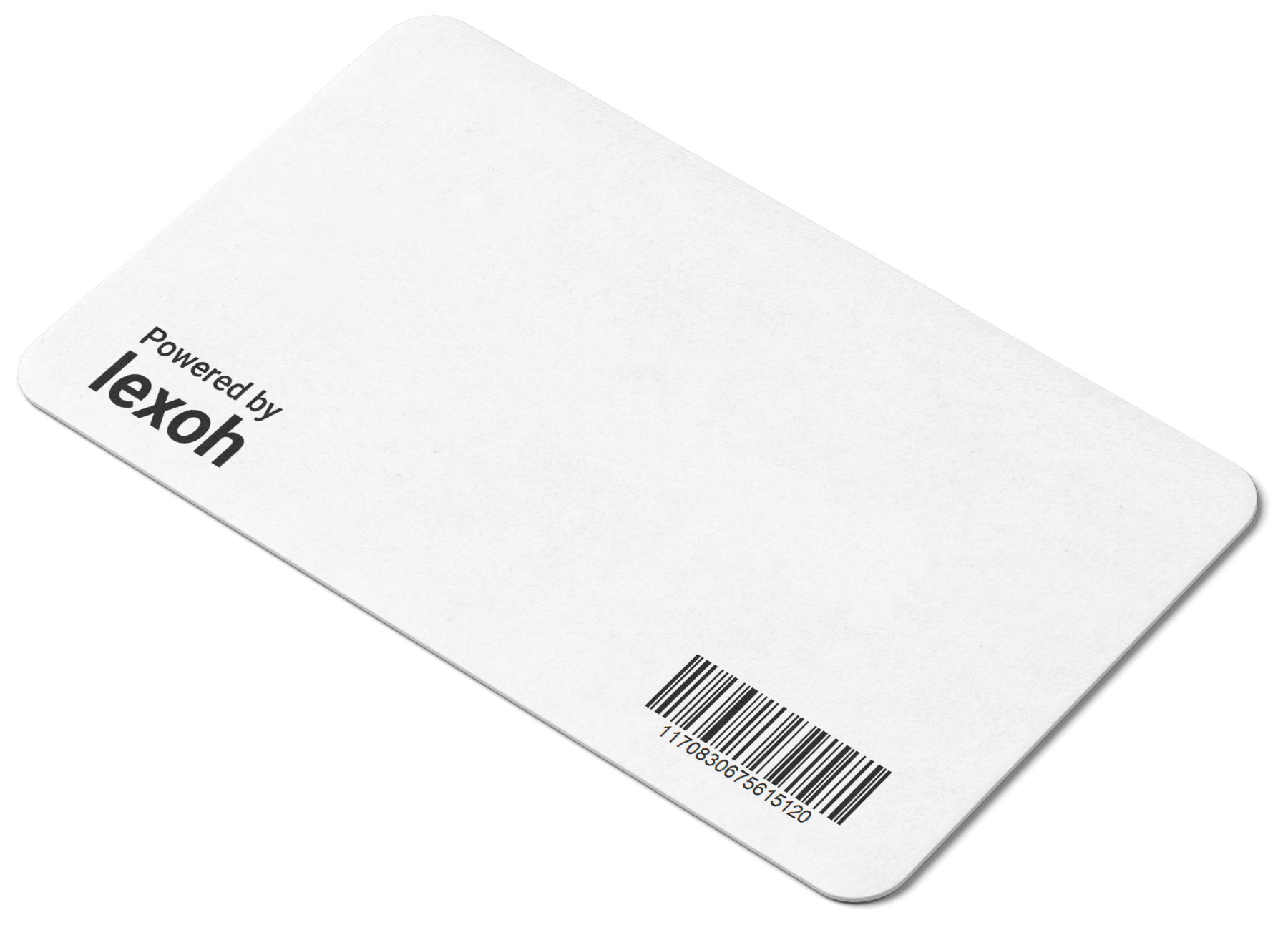
| Identification | Which ticket, plate or credential refers to the stay? |
| Authorization | Which permit, payment or exception allows passage? |
| Lane operation | What command, detection and feedback control the passage? |
| Transactions | How are sales, refunds and settlement reconciled? |
| Assistance | Who responds and what may that person authorize? |
Revenue control continues after the driver leaves
An operator may need to answer whether a customer paid, while finance needs to know how recorded transactions reconcile with the payment provider. These are related questions at different stages of the process.
Ask to see a representative sale, receipt, refund and export. Agree on how rate changes, validations and authorized overrides are recorded. Assign someone to investigate discrepancies between the parking record and settlement; a report total should have a defined meaning.
A refund also needs an access decision. If a customer is refunded before arrival, does the visit remain valid, get cancelled or require another payment? Write the policy and test the configured workflow.
How does PARCS differ from parking management software?
Parking management is a broader description that can include permits, reservations, occupancy, reporting and other services. PARCS focuses the discussion on how access and revenue rules interact with the parking visit and equipment. Product labels overlap, so compare the actual workflows rather than the name on the proposal.
Ticketless operation removes a paper-ticket step; it does not necessarily remove barriers, readers or the need for assistance. An ungated design changes how exceptions are detected and handled. Any enforcement process needs its own policy, evidence and authority.
Ask for a demonstration of the exceptions
A smooth paid exit demonstrates one path. Before accepting a system, also test an unreadable credential, a cancelled permit, an apparently failed payment and a visitor who needs help. Verify what the operator sees and which corrections that role may make.
Document network and power interruptions separately. Confirm which local decisions the selected controllers support, which services require connectivity and how records reconcile after recovery. Include civil work, communications, payment arrangements, software, training and support in the comparison of proposals.
Questions
Practical questions
Does PARCS always use tickets?
No. A stay can use a ticket, plate, code or another supported reference. Choose the identifier around the users, equipment and exception process.
Can existing barriers be retained?
Possibly. Their condition, interfaces, protective logic and required feedback must be assessed before they are included in a retrofit.
Does PARCS guarantee payment from every vehicle?
No system label establishes that outcome. Results depend on the rules, equipment, exception handling and operating model; define what is measured before making a revenue claim.
References and further reading
- Lexoh PARCS solution
Access, payments and equipment within a defined project scope.
- Parking system cost guide
Equipment, installation and ongoing responsibilities to include in a proposal.

Your project
Define the complete parking visit
Share the entry and exit layout, user groups and payment model with Lexoh to establish the required PARCS scope.
Discuss the project