Boat launch access
Boat-launch access: choosing a chain, barrier or bollard
The right launch control depends on who uses the ramp and when someone can assist. Begin with the operating model, then choose the physical equipment and credentials.
The decision
Separate the obstacle from the authorization
A chain, gate, barrier or bollard controls a physical opening. A card, code or wash proof helps determine who may use it. These are different parts of the design, so “barrier or card” is not a complete comparison.
Map resident access, visitors, service vehicles and any wash requirement. Include the route out of the site and access for emergencies.
Manual controls suit an attended process
A locked chain or removable post can suit a location opened and closed by designated staff. Its operation requires someone to hold the key, respond to exceptions and secure it after use.
Assess visibility, handling and where removed equipment is stored. A shared key or code can be difficult to withdraw from one user without affecting others. Include that administrative cost in the comparison.
On a narrow screen, scroll the table horizontally to see every column.
| Physical control | Daily operation | What to confirm on site |
|---|---|---|
| Locked chain | Staff open and secure the passage | Visibility, key custody and where the chain rests when open |
| Removable post | Staff remove, store and reinstall it | Handling, storage and availability of the person responsible |
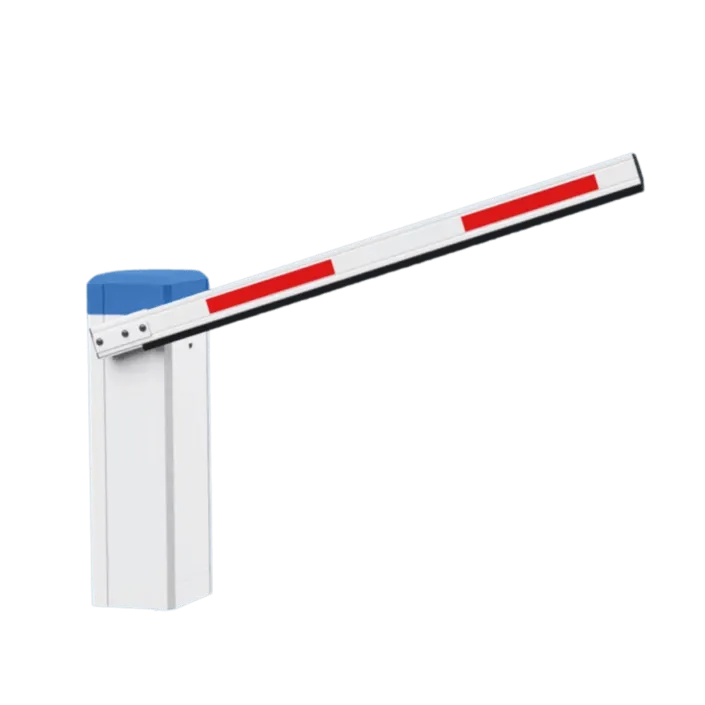
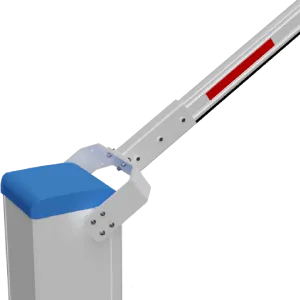
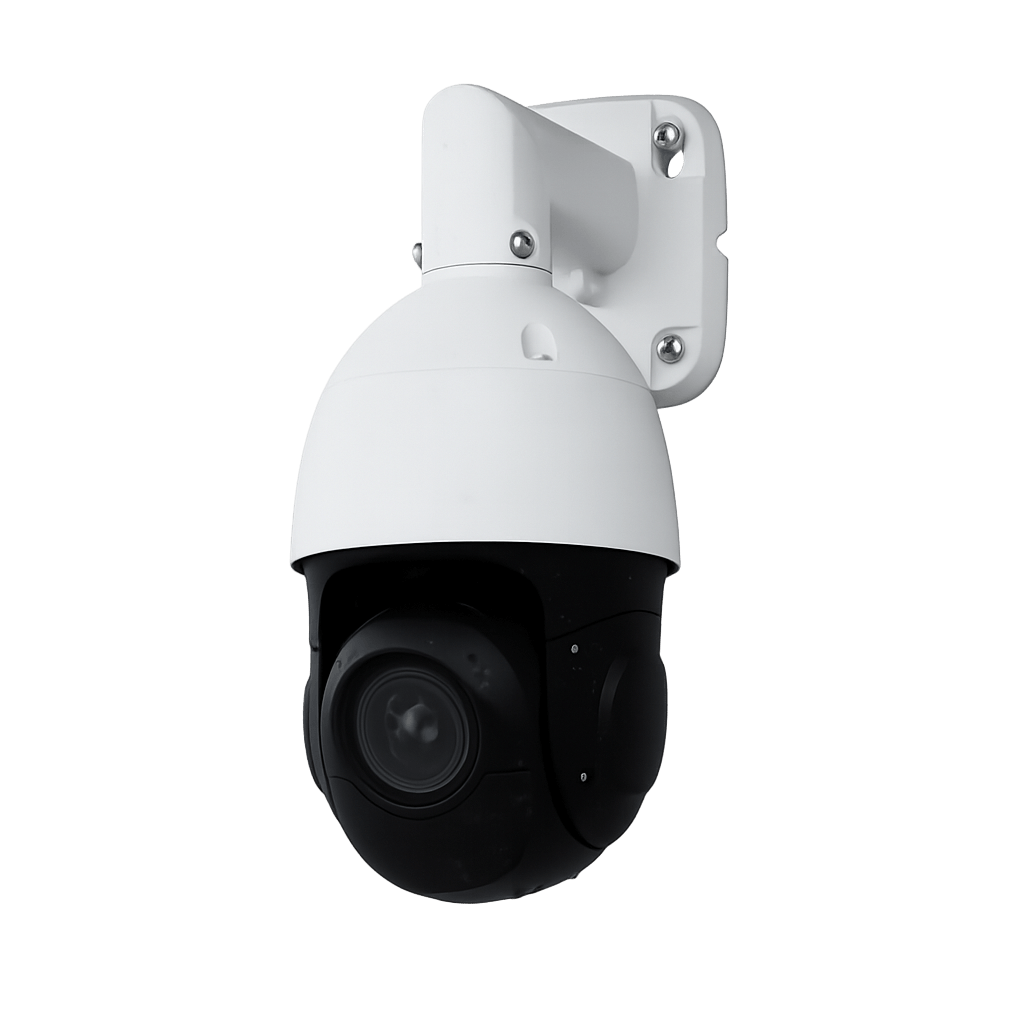
| Automatic barrier | A controller authorizes each passage | Vehicle/trailer detection, waiting space and assistance |
| Automatic retractable bollard | A controller lowers the selected equipment | Model-specific foundation, drainage, protective sequence and service access |
Automated equipment needs a complete lane design
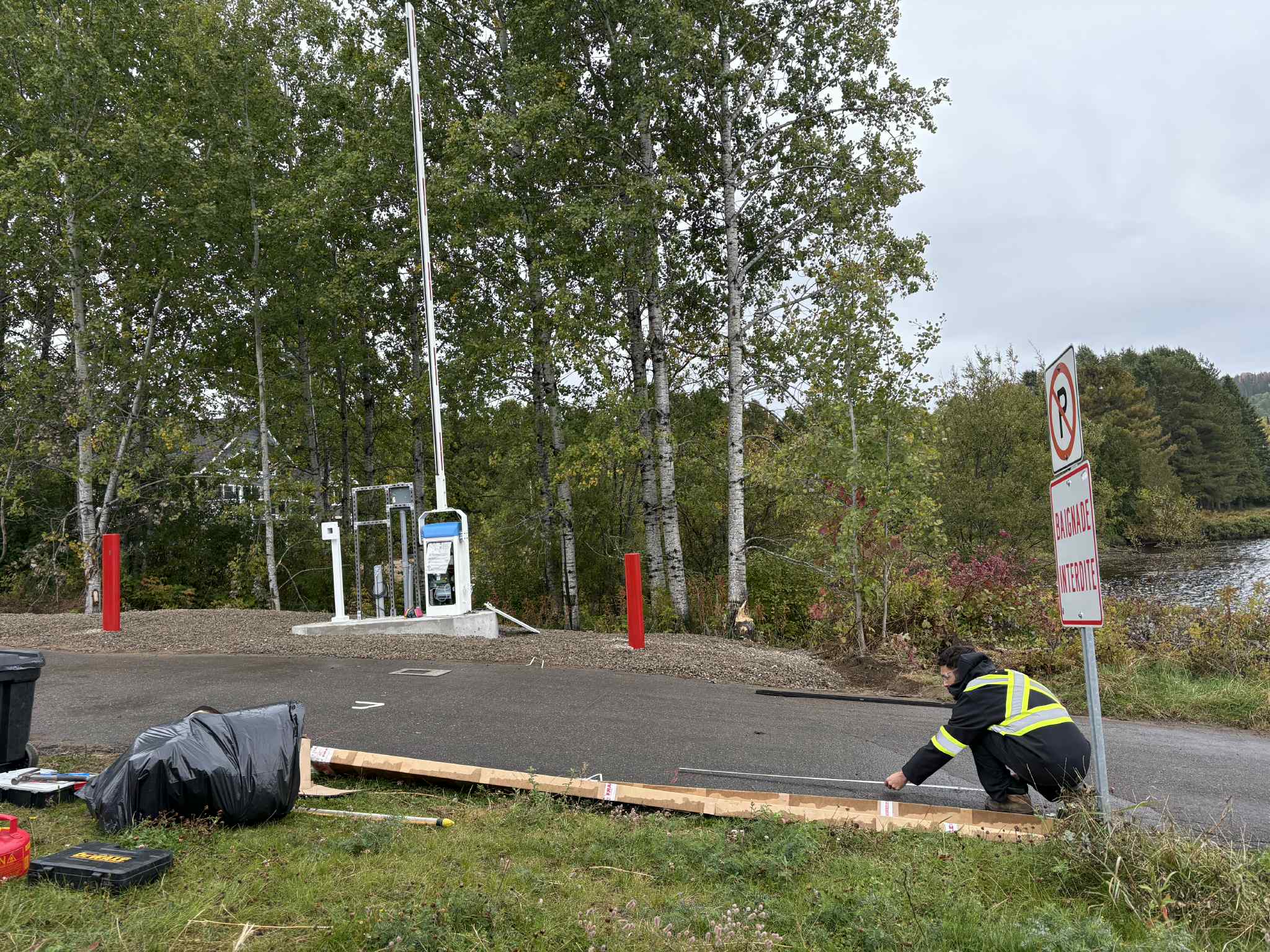
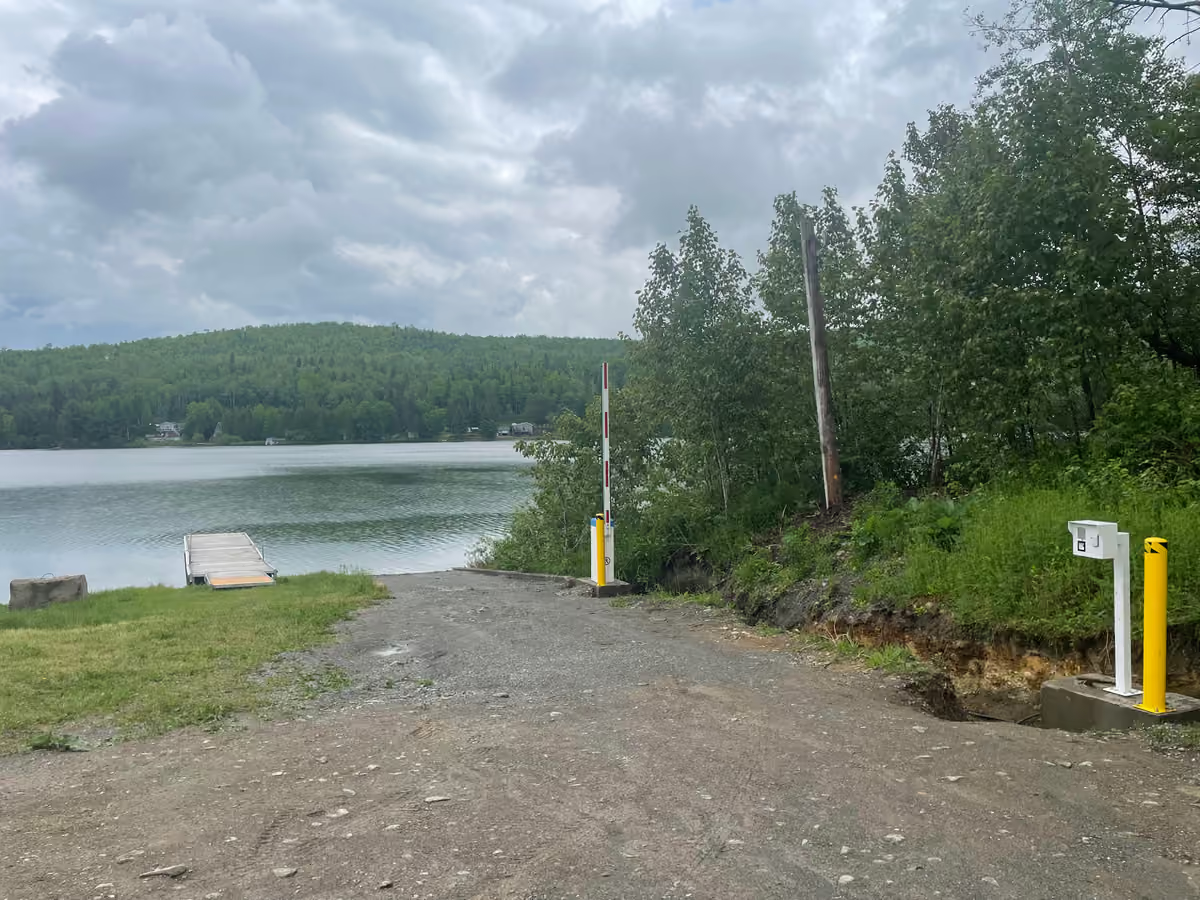
A barrier can serve frequent vehicle passages when paired with suitable controls and detection. An automatic retractable bollard has different foundations, drainage and maintenance requirements. Its resistance to impact depends on the tested product and installation, not the word “bollard.”
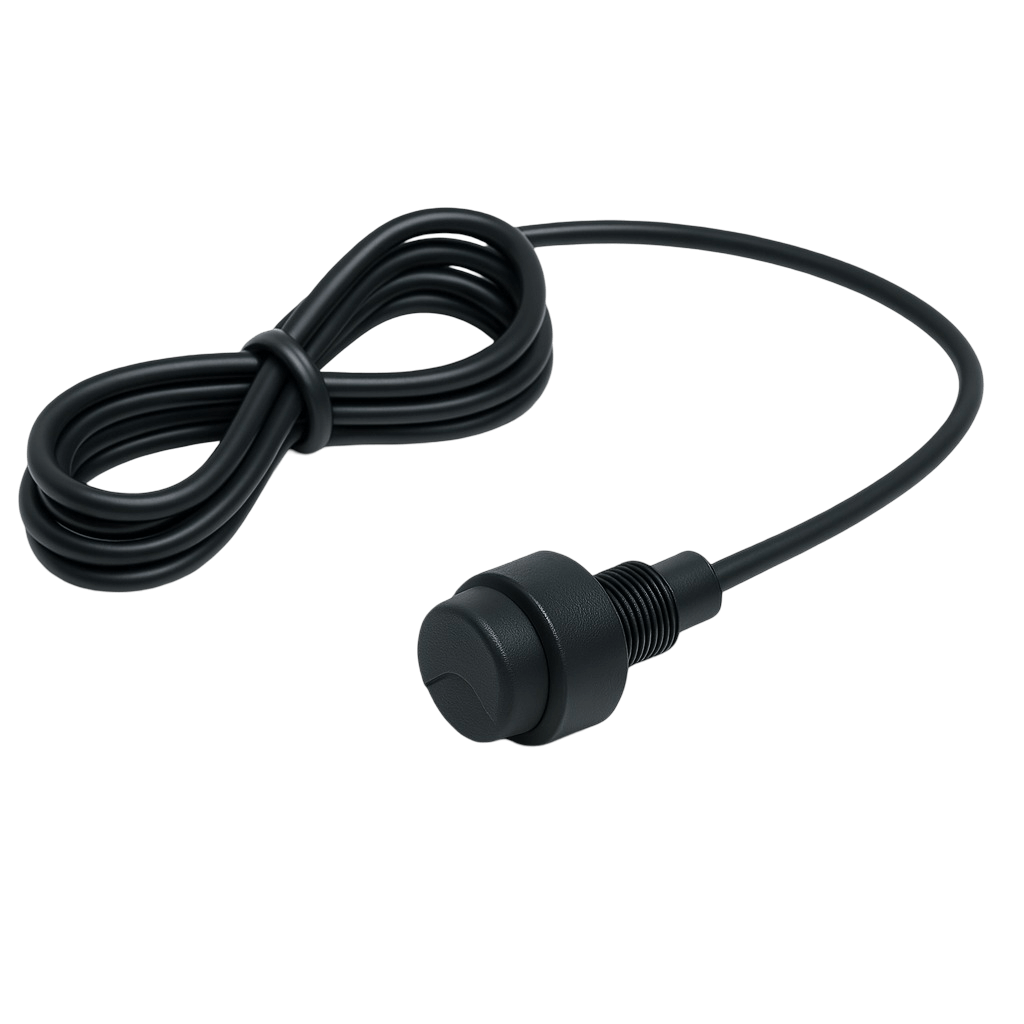
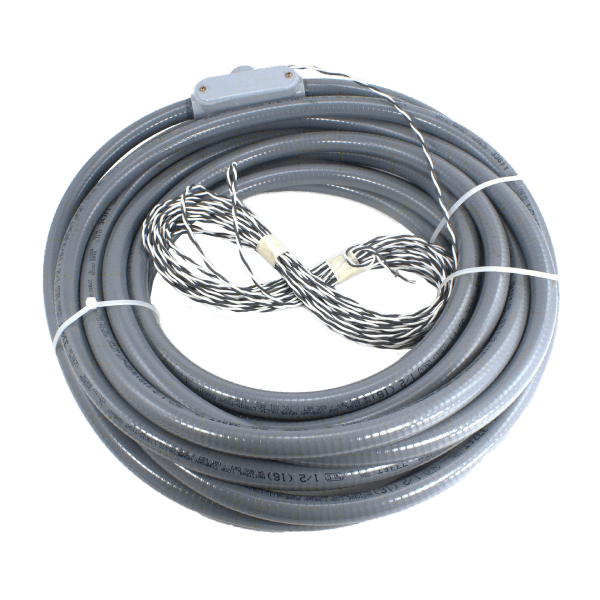
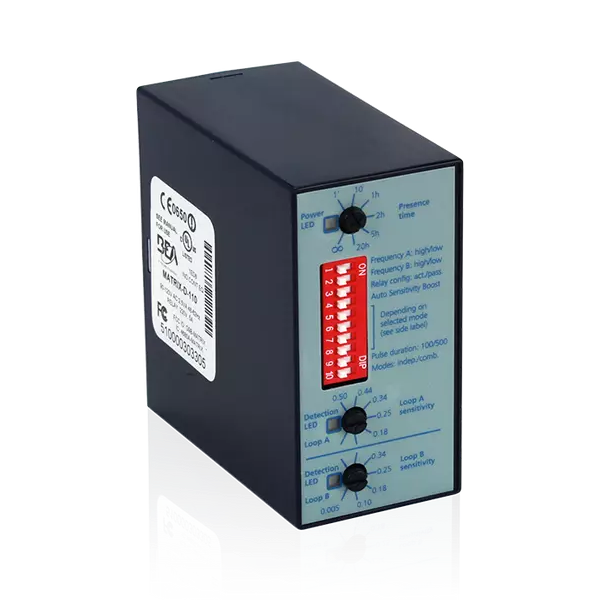
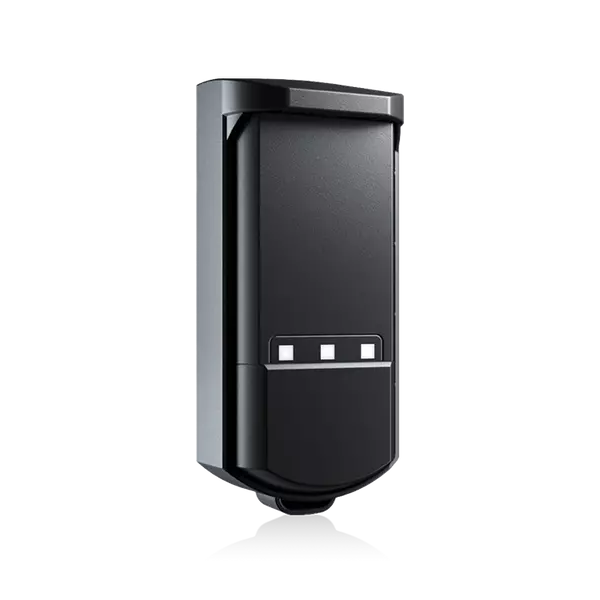
Review vehicle-and-trailer length, turning paths, waiting space and pedestrian movement. The installer must design and validate the operating and protective sequence for the chosen equipment.
Match credentials to the program
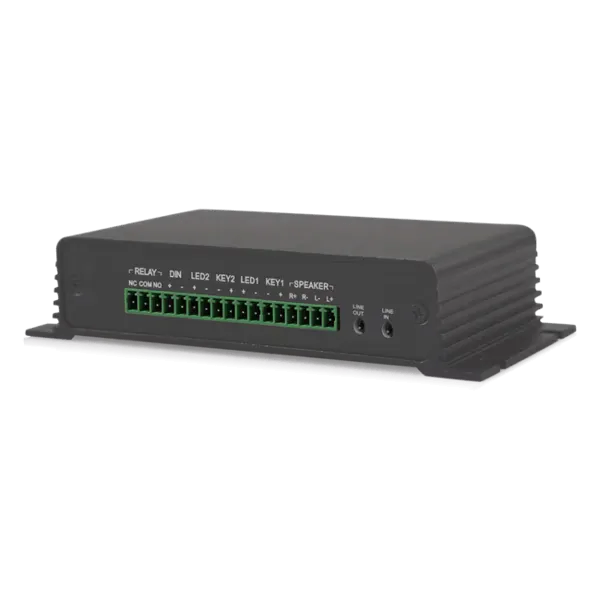
Member cards, temporary codes and configured wash proof can serve different purposes. Define where each is read and what permission it represents. Membership should not silently bypass washing unless the program explicitly allows that exemption.
For connected wash proof, specify accepted destinations, validity and usage rules. Lexoh documents compatible wash-to-launch workflows, including a particular encrypted QR validation option for offline controllers.
Plan the unattended refusal
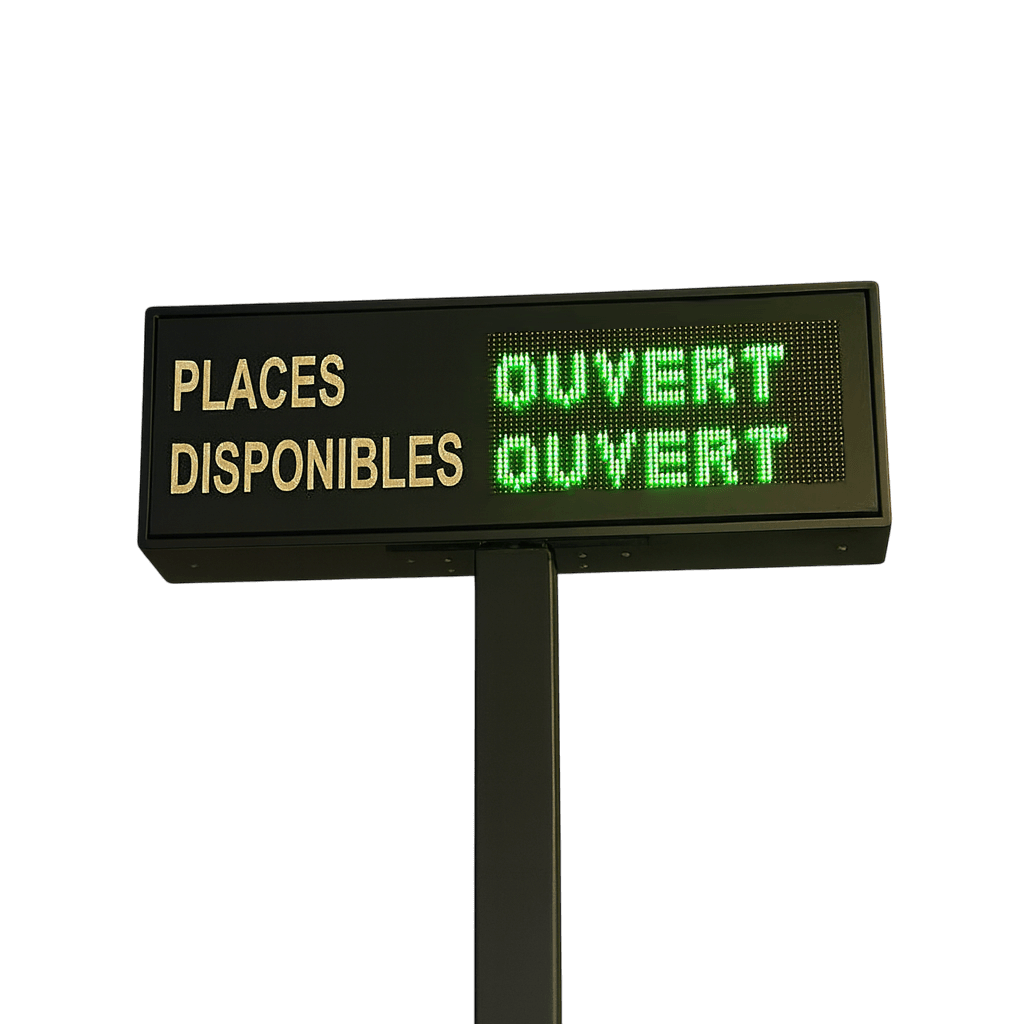
An expired proof, unreadable code or equipment fault needs instructions visible from the approach and a reachable assistance path. Agree on what the responder may verify or authorize.
Document loss of power and communications separately. Do not infer a fail-open or fail-closed policy from another project. Compare proposals using the full scope: civil work, equipment, communications, software, seasonal preparation and local support.
Questions
Practical questions
Can we add access control to an existing launch barrier?
Possibly. Provide the exact operator and controller references, photographs and available installation documents. A qualified installer should assess the equipment, control interface, detection and complete vehicle-and-trailer sequence before confirming what can remain.
What happens if the wash proof expires while the boat is on the lake?
Define that case with the program owner before commissioning. Returning to retrieve a boat, exiting the site and starting another launch visit may have different rules. Confirm the configured permissions and assistance procedure, then test the complete return journey.
Does a member card prove the boat was washed?
No. It identifies a member or permission. Any link to a wash requirement must be explicitly defined and implemented.
Is an automated launch maintenance-free?
No. Equipment, detection, drainage, communications and seasonal preparation need assigned maintenance and support.
References and further reading
- Lake protection and launch access
Lexoh product or project reference.
- Barrier, bollard or sliding gate
Lexoh product or project reference.
Your project
Compare the launch options on site
Review trailer circulation, operating hours and the access policy with Lexoh before selecting equipment.
Discuss the project