


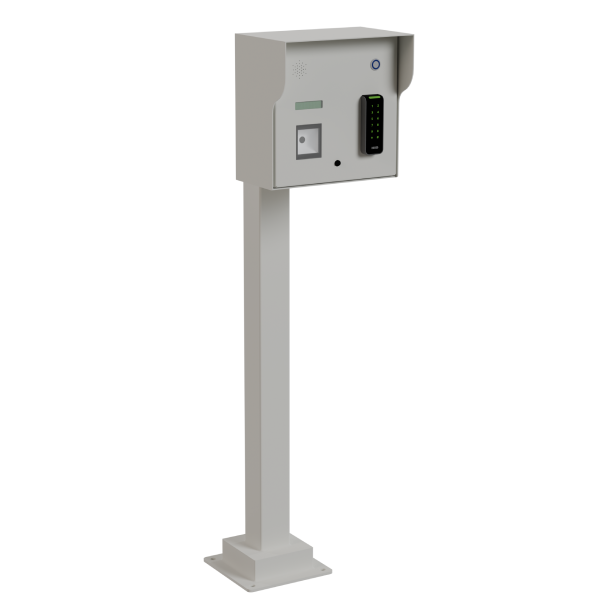
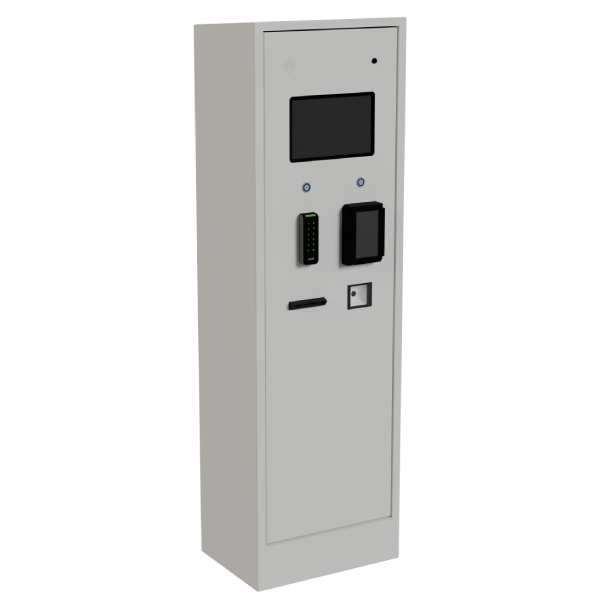
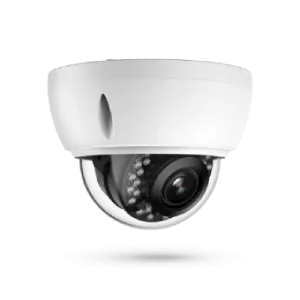
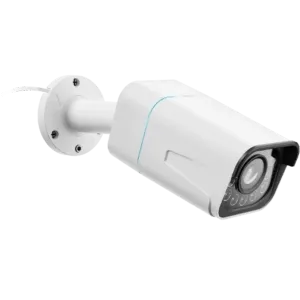
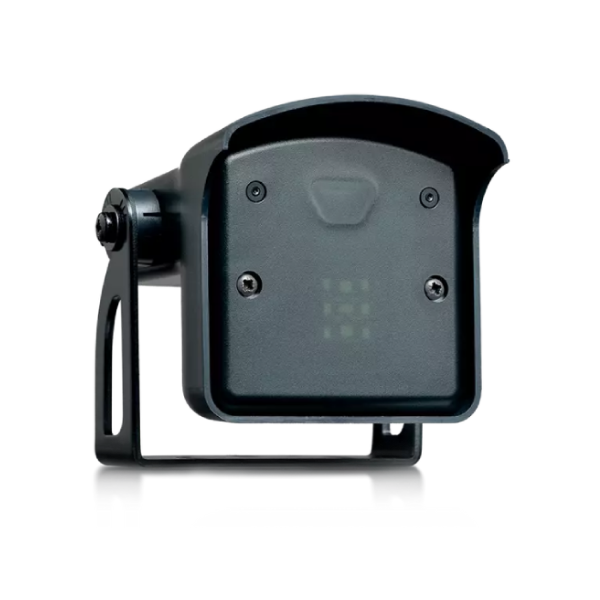
Use consistent entrance names in the call presentation, operating instructions and any approved access controls. Test calls from each physical point so the operator can identify the caller’s location before issuing an action. If the selected system provides associated video or event context, verify that mapping too; a shared answering destination does not establish the correct entrance automatically.
Intercom and assistance
IP intercom for access assistance
An Internet Protocol (IP) intercom carries the visitor’s call over the site’s network to the configured answering device or service. Plan the call routing, audio quality and any authorized opening command as parts of the complete assistance service. Plan the equipment and its place in the access workflow with Lexoh.
- Role
- Assistance at access
- Routing
- Project defined
- Interfaces
- Network and assistance system
Assistance design
Connect a visitor’s call to a defined answering process.
An IP intercom is the entrance call point. The network and assistance configuration determine who receives the call and what the responding operator can do.
Does the intercom include an answering service?
The call device and the service that answers are separate parts of the deployment. Define the destination, service hours and escalation path. Confirm any staffed assistance arrangement explicitly rather than assuming it is included with the hardware.
Can the operator open the entrance?
Only when the approved access integration and operator permissions support that action. Test the call and the opening command separately, with a way for the operator to identify the correct entrance before acting.
Plan missed calls and connection failures
Confirm the model’s network and power requirements, then define the visitor instructions if the call is unanswered or connectivity is unavailable. Check conversation quality at the normal stopping point with traffic and other ambient noise.
Assistance at the entrance
Give the call a destination and a next step.
The intercom connects the person at the entrance with the team responsible for answering.
-
Call
The user starts an assistance request at the entrance.
-
Answer
Route the call to the configured answering point and responsible team.
-
Respond
The operator provides guidance; remote access actions require a compatible, authorized control connection.
IP intercom selection criteria
| Selection item | What to confirm |
|---|---|
| Call architecture | Identify the call endpoint, answering device or service, and supported connection method. If Session Initiation Protocol (SIP) is proposed, confirm the required peer-to-peer or server arrangement and interoperability. |
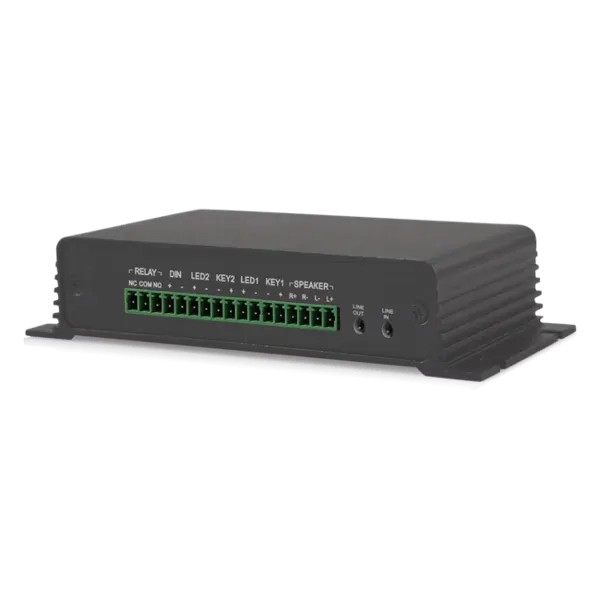
| Audio and optional video | Confirm the microphone, speaker and any video components included in the proposed assembly. Test conversation from the visitor’s real position; the IP label does not imply a camera. |
| Power and network | Confirm the exact supply and network interface. If Power over Ethernet (PoE) is offered, obtain the required standard, class and network power budget. |
| Opening command | Specify the permitted operator action, target entrance and supported control connection. Verify the audio call and the access command separately. |
| Mounting and environment | Confirm enclosure, dimensions, user reach, exposure and environmental ratings for the installed assembly. Outdoor suitability must be documented for the proposed equipment. |
| Coverage and unavailable state | Define answering hours, missed-call routing and visitor instructions when assistance is unavailable. Confirm any staffing, recording or service subscription separately from the device. |
Request the current datasheet, connection diagram and approved configuration for the exact equipment proposed in your quotation.
Prepare the assistance brief
Define what happens after the visitor presses the call button
Bring Lexoh the entrance layout and answering plan so the call equipment, operator actions and unavailable state can be assessed together.
| Planning item | Information to provide |
|---|---|
| Visitor position | Provide entrance photos or a layout, the vehicle or pedestrian waiting point, mounting constraints and the conditions that affect conversation. |
| Answering destination | Identify who answers, on which device or service and during which hours. Describe missed calls, overflow and any existing telephone or assistance system. |
| Access action | State whether the operator should provide guidance only or also request opening. Identify the target entrance, required permission and available confirmation of the result. |
| Service acceptance | Test a call from every entrance, audio in both directions, permitted actions and the agreed unavailable state. Record the routing, service responsibility and visitor instructions. |
Configuration: Keep the approved equipment references, configuration and test results with the site records.
Equipment questions
Practical details for planning, operating and maintaining this equipment.
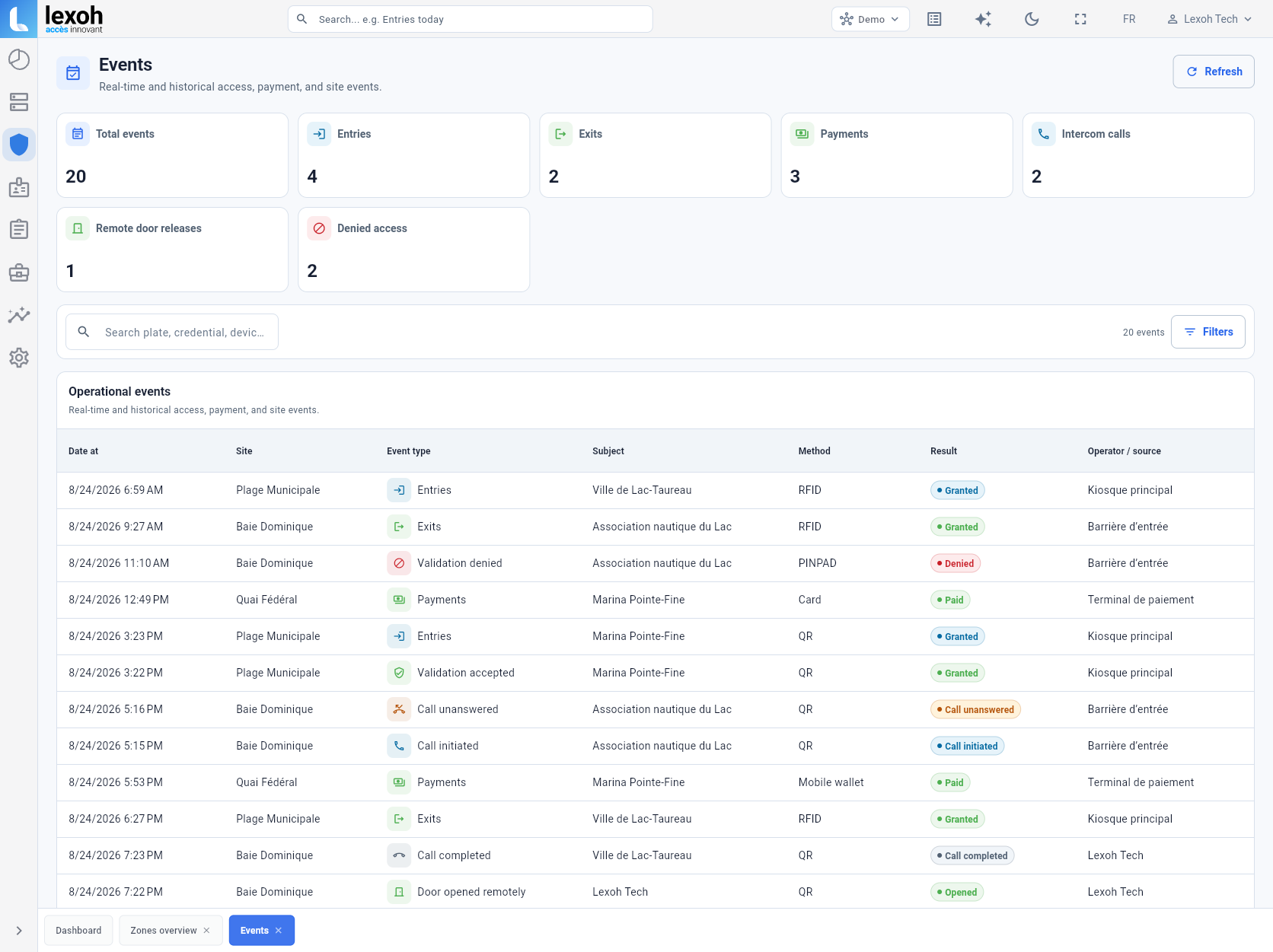
Treat the voice connection and opening command as separate parts of the installation. Record the call point, time, operator role and reported command result, then have the responsible team check the configured access permission, mapped entrance and available equipment feedback. Do not assume that a successful conversation proves the control connection works or repeat opening commands without understanding the lane state.
Project review
Plan entrance assistance with Lexoh.
Describe the entrances, the people answering calls and any authorized opening actions so Lexoh can help select the intercom and plan call handling.