


Skip to content

Automatic parking barriers

The right barrier for your parking entrance.

Compare arm configurations and see them move in 3D. Lexoh helps you choose, install and maintain your equipment.

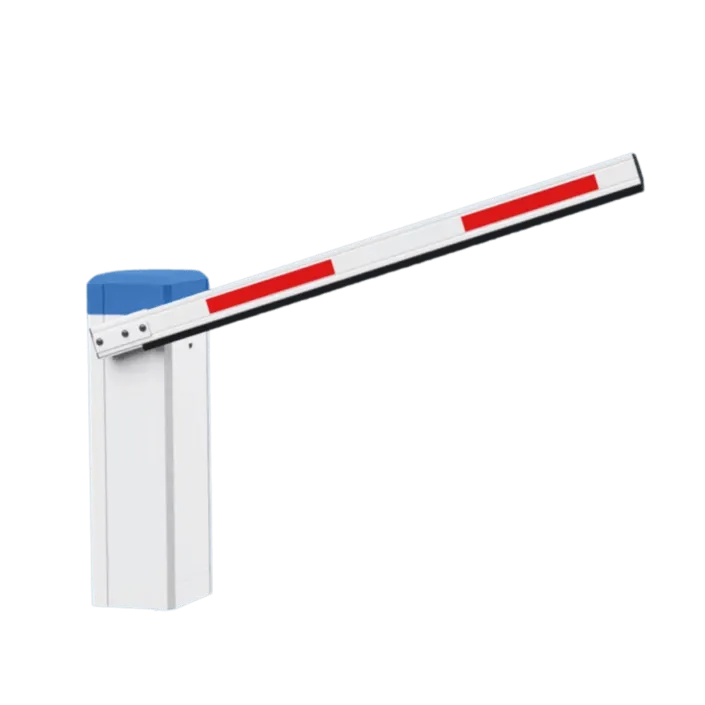
Automatic parking barrier with its arm raised
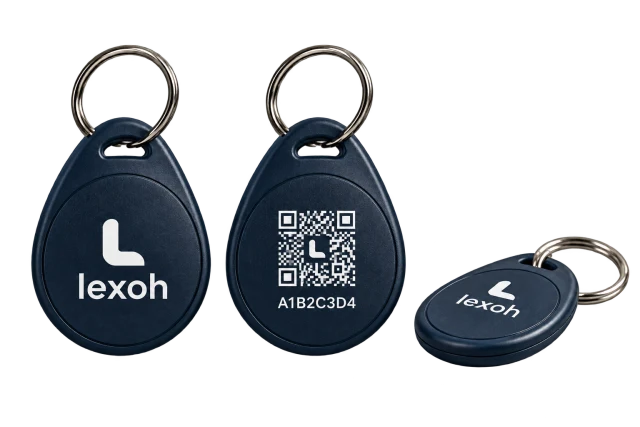
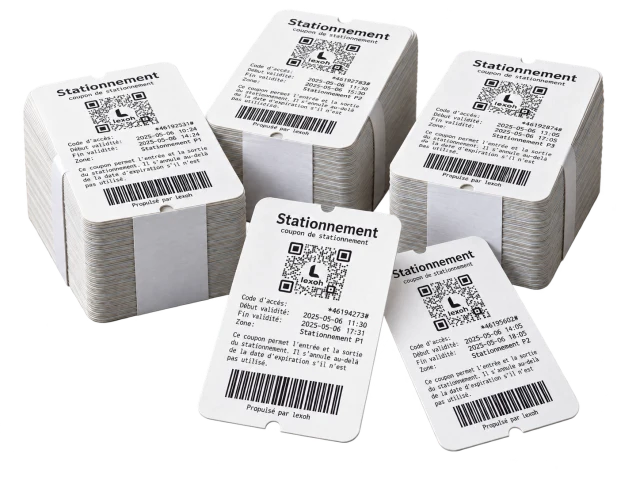
  • Access on your termsCards, vehicle tags, plates or QR codes.
  • Equipment and software connectedManage access rights and review lane events.
  • A team for your siteInstallation, maintenance and driver assistance.
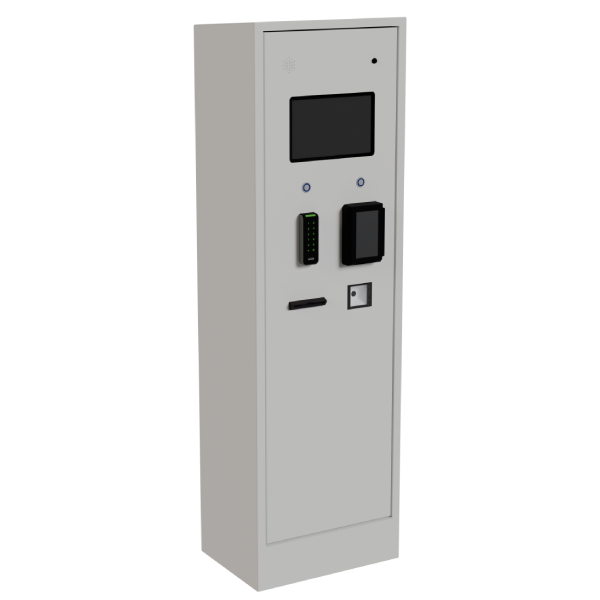
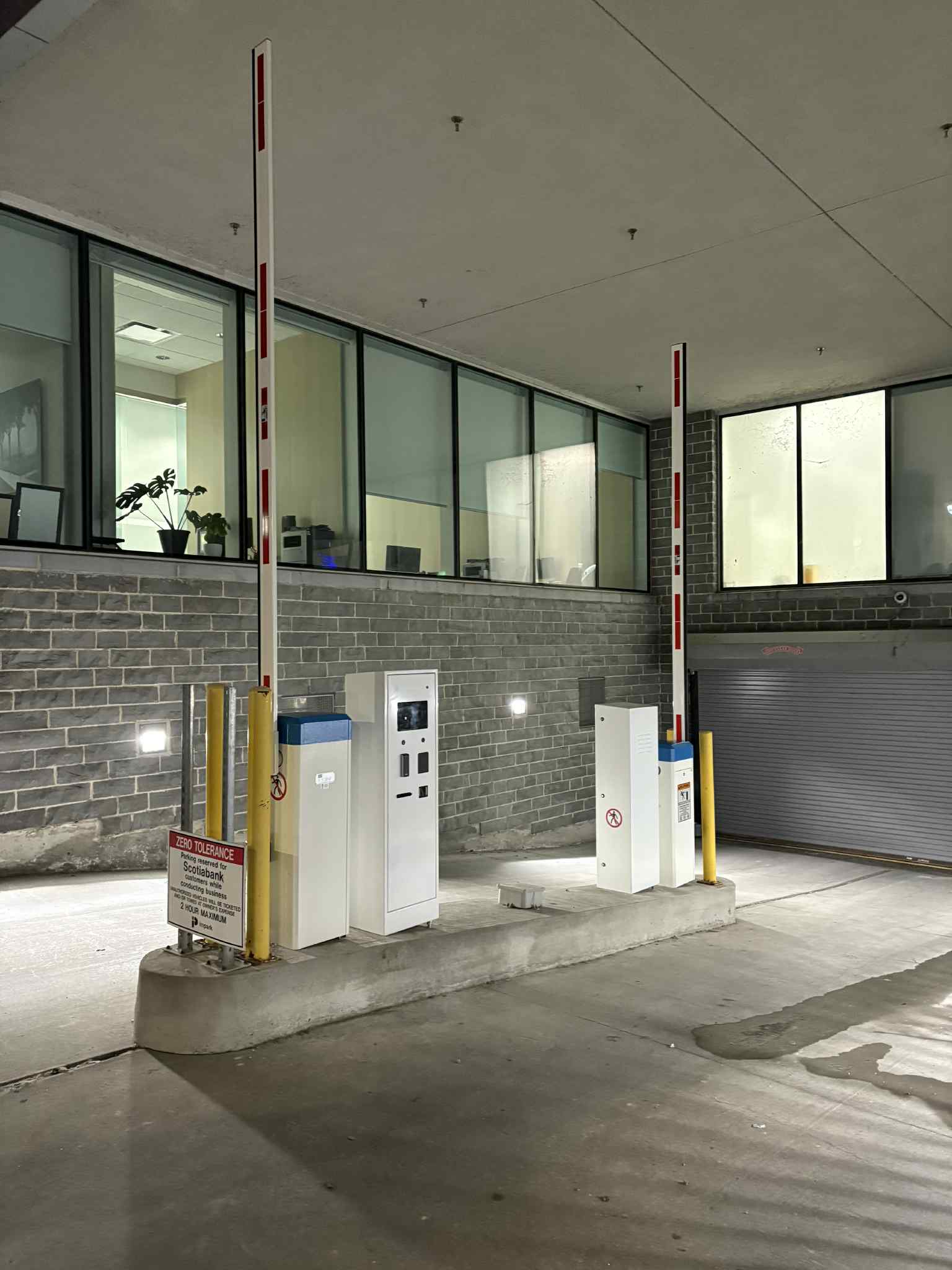
Automatic barriers and access kiosks installed at Scotiabank in Kingston

Installed by Lexoh

Real equipment. Real entrances.

See the barriers, kiosks and completed lanes at Scotiabank Kingston, Collège Sainte-Anne and Camping Abenaki.

A clear response. At every entrance.

Present a credential. Check access rights. Open the barrier. See the response at each step.

An authorization becomes an action.

When the access conditions are met, a command opens the barrier. The passage remains linked to the access record.

Interactive evaluation

See the barrier in motion.

Turn the barrier, change the view and open the arm to compare the configurations.

Choose a configuration, then explore its movement and viewing angles.

Automatic barrier product view before loading the 3D model

At the entrance

Leave room for the whole movement.

The lane layout connects the raised arm, vehicle stopping point and equipment beside the driver.

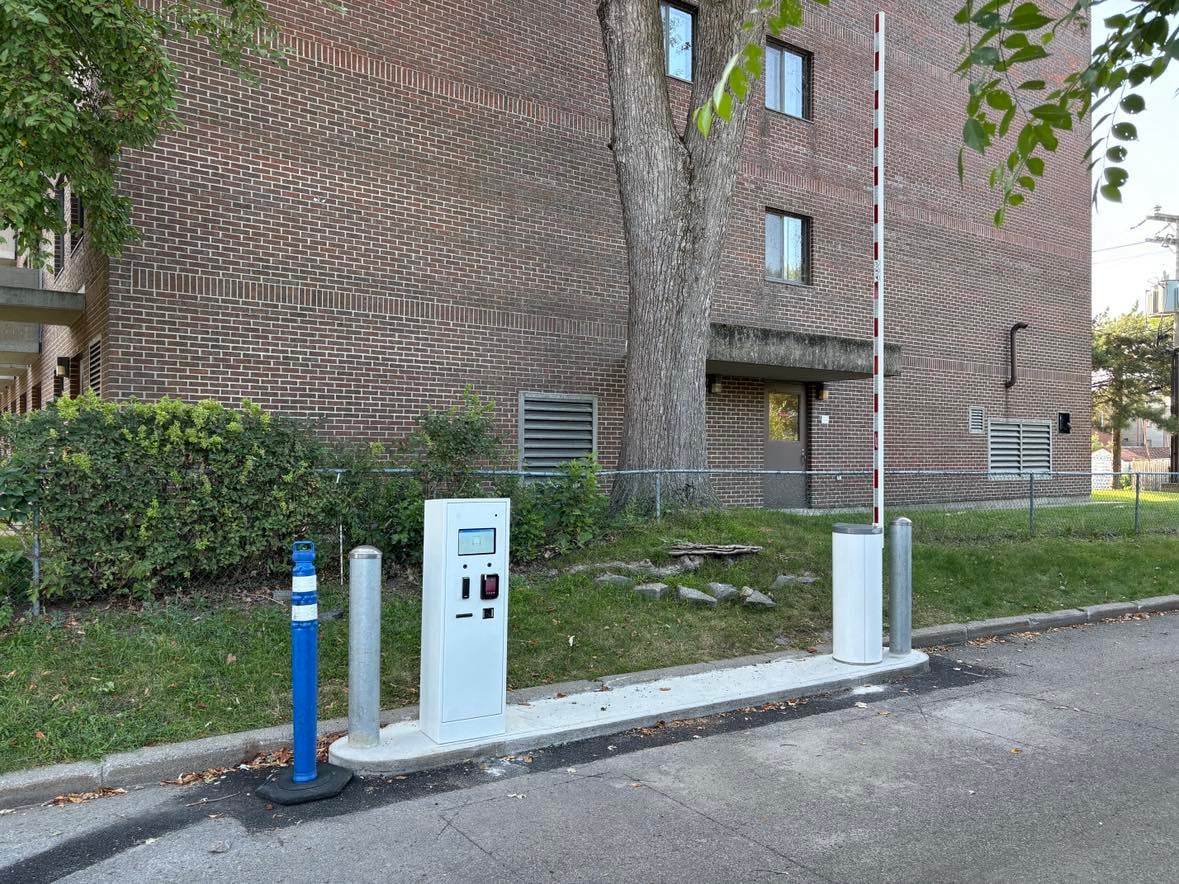
See the parking barrier installation at Collège Sainte-Anne

Documented Lexoh kiosk and automatic barrier installation
Collège Sainte-Anne: a kiosk and barrier installed beside the vehicle lane. Enlarge the installation view
  1. Before the arm

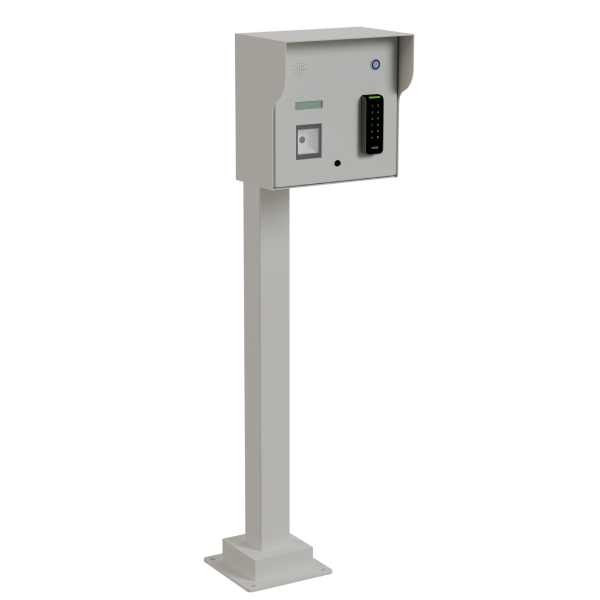
    Position the reader or kiosk where the driver can stop and use it.

  2. Through the lane

    Coordinate presence detection and the barrier’s closing sequence.

  3. Beside the housing

    Keep the service access and moving parts clear of nearby equipment.

View technical specifications

Your service team

Installation, maintenance and parking operations.

Choose the work you want Lexoh to handle: a new barrier installation, ongoing maintenance, assistance for your team or the operation of your parking lot. The proposal defines the equipment, responsibilities and service coverage.

  1. Install and commission

    We install the barrier, connect the selected access and detection equipment, configure the software and test the complete lane with your team.

  2. Maintain and support

    Lexoh provides equipment maintenance and technical support. The service plan identifies the covered devices, scheduled work and the route for reporting a fault.

  3. Operate and assist drivers

    Entrust Lexoh with parking operations and customer support, including call handling, help with access issues and operational follow-up under your site procedures.

When you need the detail

Prepare your equipment choice.

Selection, specifications and installationArm clearance, controls, detection and site requirements.

Selection logic

How do you choose an automatic parking barrier?

A barrier is selected as one part of the complete entrance. The final model, arm, services and control behavior follow the physical site and approved operational workflow.

  1. Straight or articulated arm?

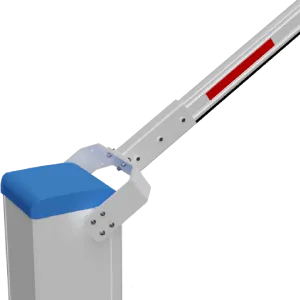
    A straight arm needs clearance for its full movement. An articulated arm can suit a height-constrained entrance, subject to the selected model geometry. Measure the lane, ceiling and nearby equipment before confirming either configuration.

  2. What controls opening and closing?

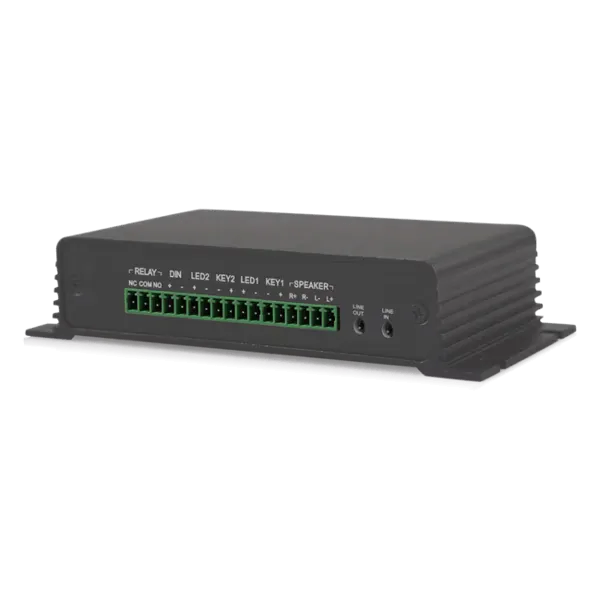
    A reader or kiosk supplies an access request. The configured access system or an authorized operator issues the opening command through the controller. Vehicle detection and the specified safety devices help determine when passage and closing are permitted. These roles are configured and tested together.

  3. Which specifications need model confirmation?

    Confirm arm length, opening time, duty cycle, power, enclosure rating and operating temperature in the selected model documentation. Traffic volume, winter conditions and the required maintenance access shape the choice.

Technical Characteristics

SpecificationDetails
Arm ConfigurationStraight, articulated or lane-specific according to the model
Cycle TimeAccording to the model and arm length
PowerConfirmed with the selected model data sheet
Enclosure RatingConfirmed with the selected model data sheet
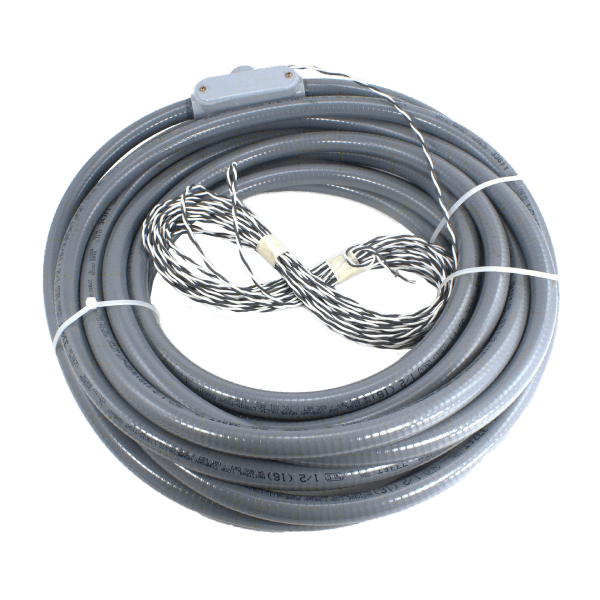
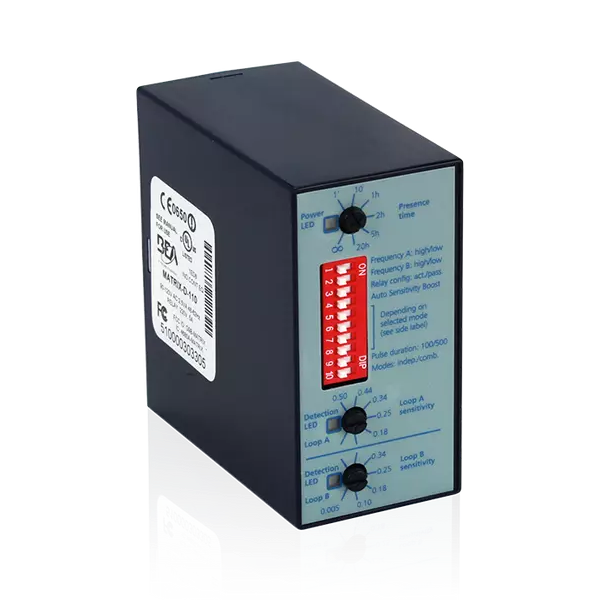
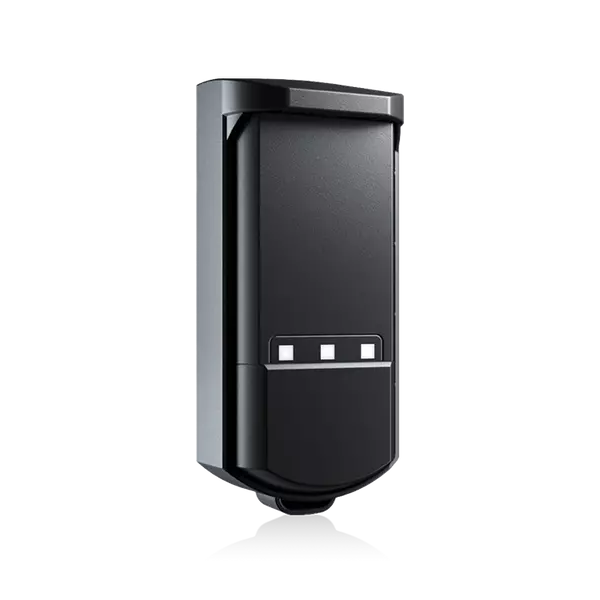
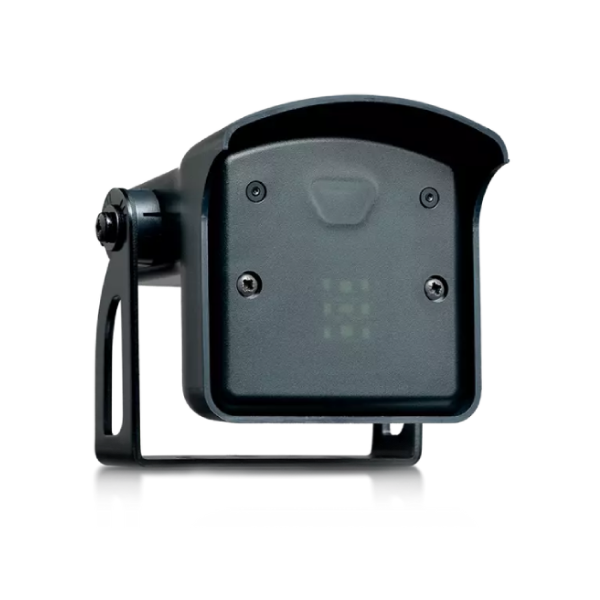
Compatible DetectionInduction loop, above-ground detection and safety devices according to the design
Operating TemperatureConfirmed for the selected model and site conditions
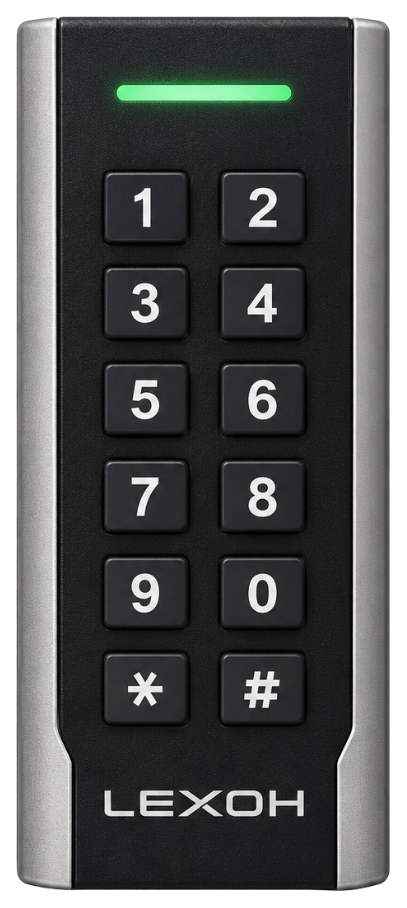
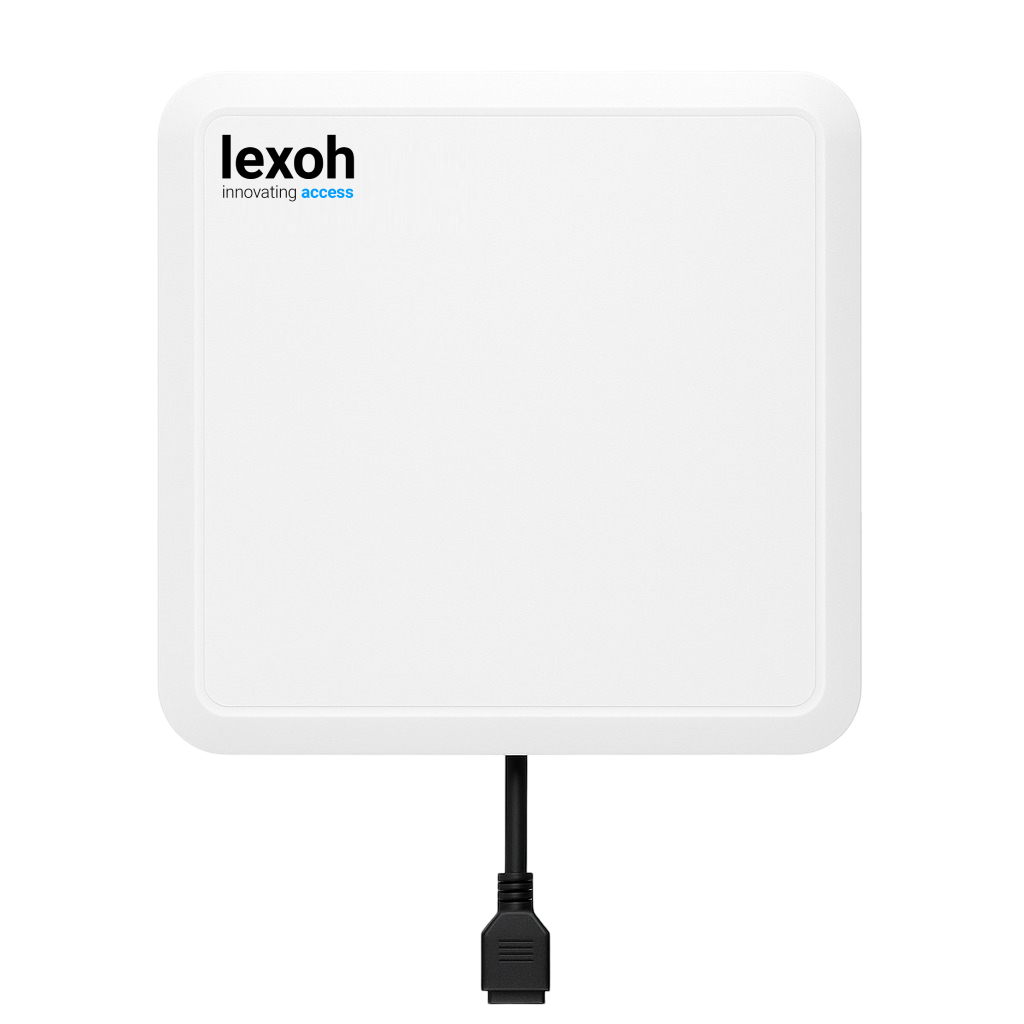
Access MethodsRFID, UHF, LPR, QR, intercom, payment or control according to the system
ServiceInstallation, configuration and maintenance offered according to project scope

Specifications confirmed by model. This page presents selection criteria, not one universal data sheet. Cycle time, arm length, power, enclosure rating, temperature range and options are confirmed in the selected model documentation and the project technical scope.

Equipment details

Prepare the lane brief for your quotation

Compare the lane requirements before choosing equipment. Include the arm’s movement, peak traffic, outdoor conditions and the way drivers identify themselves.

Component or useHow it fits the system
Straight armA straight arm rises above the lane. Its movement needs clear space above and beside the entrance.
Articulated armCompare the exact fold geometry and full movement envelope with the ceiling, beams, pipes and vehicle path. Confirm the raised position and service clearance on a dimensioned model drawing before selecting the assembly.
Traffic and duty cycleRecord peak-period arrivals and expected opening cycles. Match the selected model’s duty rating and operating time to that demand, including queues and assistance stops.
Outdoor and winter conditionsDocument temperature, wind exposure, drainage and snow-clearing needs. Confirm the chosen model’s environmental ratings and any required accessories for the site.
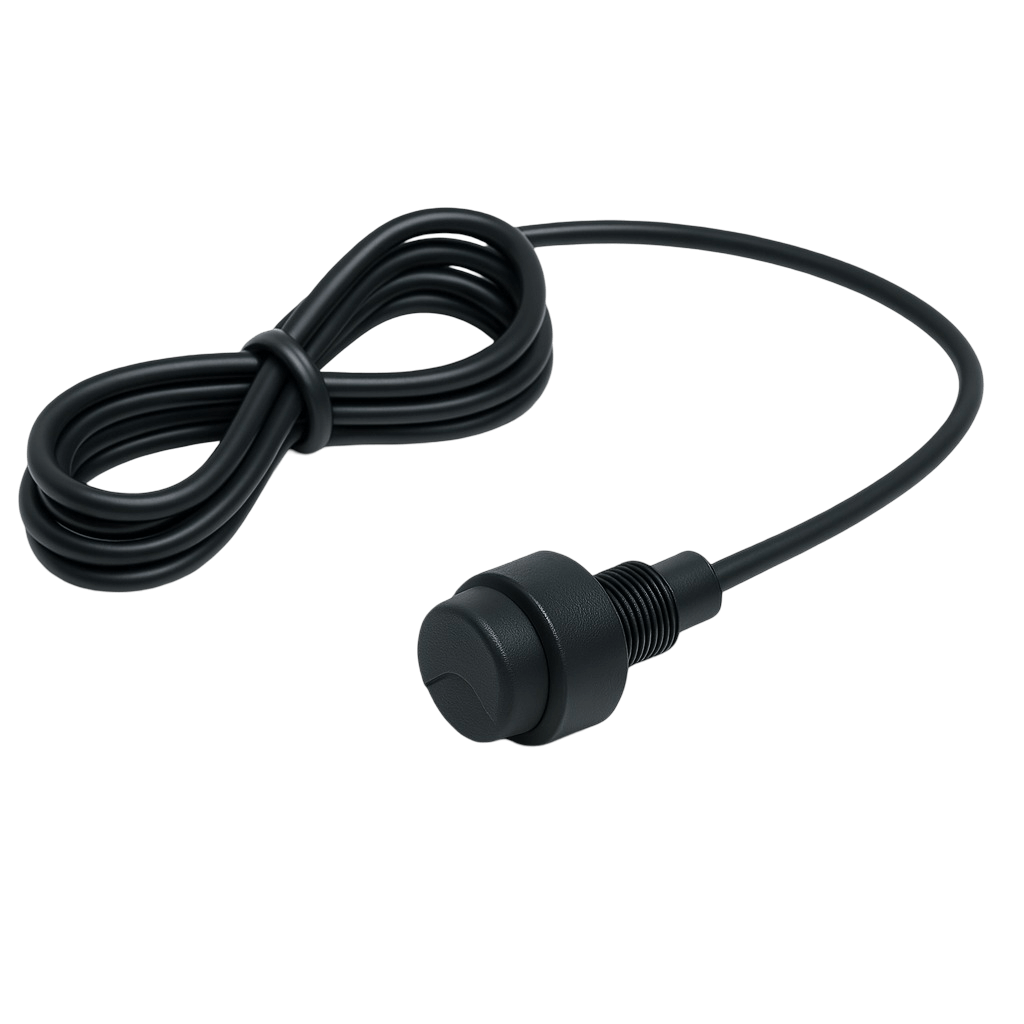
DetectionVehicle detection gives the lane controls information about arrival, presence or passage. Safety devices and closing behavior are designed with the barrier.
Access commandA reader, kiosk or operator can form part of the access sequence. The selected controls link the access decision to the barrier movement.
Power and outage proceduresDefine what operators and drivers should do during a power or communication outage. Review power requirements, release procedures and any backup option against the selected equipment.
Installation documentsRequest the offered manufacturer/model, dated data sheet, arm and movement drawing, base/fixing/conduit plan, electrical requirements, approved accessories and maintenance instructions. Keep the revision and approving party with the final lane plan.
Comparing offered configurationsFor each proposal, record the exact model and arm, the required lane event, included detection, environmental limits and unresolved site work. Compare the same operating scope; a rendered arm shape is not a manufacturer specification.

Configuration: Cycle time, arm length, environmental ratings and compatibility depend on the selected model.

Plan barrier installation, site work and commissioning

Equipment questions

Practical details for planning, operating and maintaining this equipment.

Yes. Lexoh supplies, installs, commissions and maintains automatic parking barriers. We connect the selected barrier to access controls, vehicle detection and parking software. The proposal identifies the site work, equipment and maintenance coverage included.
Yes. Lexoh offers parking operations and customer support, including call handling and help with access issues. We agree on site procedures, responsibilities, coverage hours and escalation contacts before service begins.

A boom barrier controls a shared entrance or exit lane. An individual space blocker reserves one parking bay. Choose according to where authorization must be checked: at the site entrance or at a particular space. This page covers lane barriers; selection includes the arm, vehicle detection, access controls and the complete passage sequence.

Opening time measures one movement of the arm. A complete passage also includes approach, credential reading or payment, the access decision, vehicle movement and the configured closing sequence. Assistance stops and the mix of vehicles affect the queue. Evaluate the complete journey during representative traffic; an arm cycle alone does not establish a vehicles-per-hour capacity.

Measure the lane, ceiling, beams, pipes and nearby equipment, then compare them with the selected arm’s full movement envelope. Confirm the fold location, raised position, vehicle clearance and service access using the exact model drawing. A nominal ceiling height or a similar-looking 3D model does not establish that the assembly will fit.

No. A parking boom barrier controls the normal vehicle passage sequence. A specified level of vehicle-impact resistance is a separate requirement that needs evidence for the exact tested product and installation. Do not infer a crash rating from the barrier’s appearance, arm length or the word industrial; state the required purpose during the site review.

Send the barrier manufacturer and model, arm reference and length, configuration photographs and details of any fitted lights or accessories. Ask the supplier to confirm the approved replacement assembly and any adjustment or commissioning requirements for that exact model. A matching length or appearance alone does not establish compatibility; the installer should verify the completed movement and control sequence.

Review the lane when its vehicle population, reader position, payment process or surrounding layout changes. A new stopping point or larger vehicle can affect the relationship between the arm, detection and driver interaction. Record the change, check the selected equipment’s requirements and repeat the relevant commissioning checks before relying on the revised sequence.

Project review

Let’s find the right barrier for your entrance.

A new entrance or a barrier to replace? Tell us what you need. Our team will help you choose the equipment and installation services.

Full-size image

Discuss your project Call Lexoh Call